
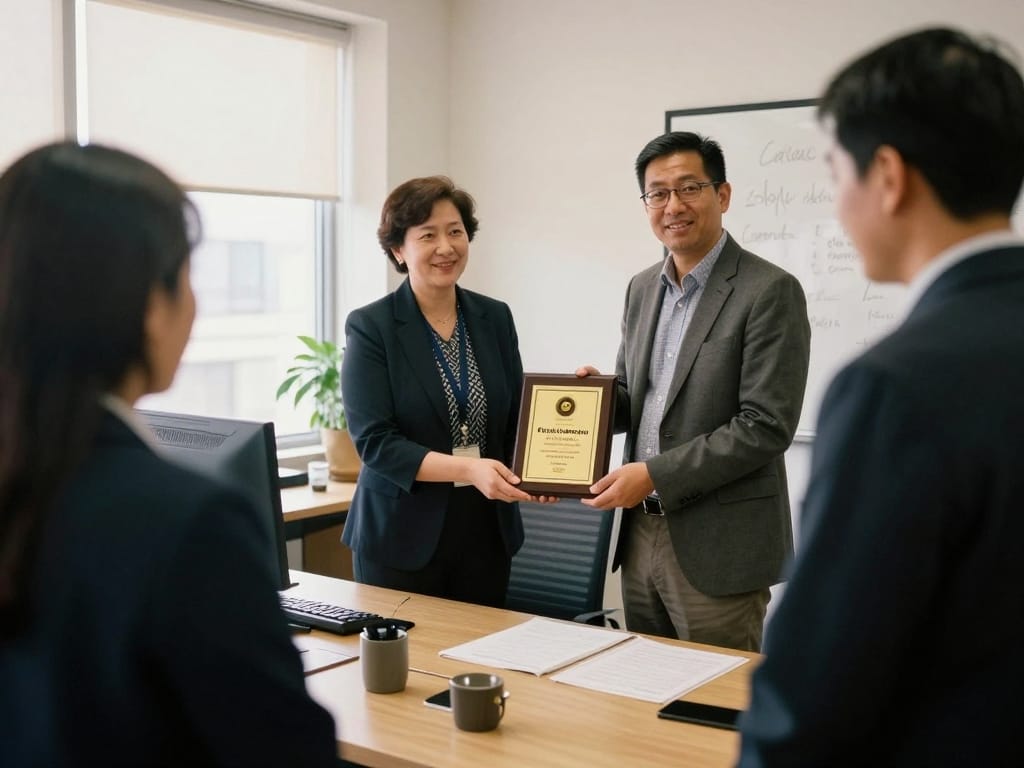
In the bustling environment of large organizations, where employees often navigate complex hierarchies and high-stakes projects, meaningful moments emerge as critical touchpoints that profoundly influence satisfaction and loyalty. These pivotal experiences-ranging from a well-timed promotion to a heartfelt acknowledgment of a team's breakthrough-serve as emotional anchors, reminding individuals that their contributions are valued beyond mere productivity metrics.
At their core, meaningful moments foster a sense of belonging and purpose. For instance, when an employee receives personalized recognition for overcoming a challenging deadline, it validates their efforts and boosts intrinsic motivation. Research from Gallup indicates that employees who feel recognized are 2.5 times more likely to be engaged, directly correlating to higher job satisfaction. In expansive companies with over 200 employees, where anonymity can erode morale, these instances counteract feelings of disconnection by humanizing the workplace.
Moreover, such moments cultivate loyalty by building long-term commitment. They transform routine careers into narratives of growth and achievement, encouraging employees to invest in the organization's future. A study by Deloitte highlights that organizations with strong recognition cultures experience 31% lower voluntary turnover rates. This is particularly vital in large firms, where talent retention is a strategic imperative amid competitive labor markets.
Key Statistics
Years of service recognition programs exemplify this concept perfectly. Celebrating milestones like a 10-year anniversary with customized awards or events creates lasting memories that reinforce an employee's journey. These programs not only honor tenure but also signal to the workforce that loyalty is reciprocated, enhancing overall retention. By intentionally designing these moments, HR leaders can elevate employee experiences, turning potential disengagement into enduring allegiance. Ultimately, prioritizing meaningful moments isn't just about retention-it's about crafting a thriving organizational culture where every career path feels significant and supported.

In the competitive landscape of modern workplaces, especially within companies boasting over 200 employees, fostering a culture of appreciation is pivotal for long-term success. Acknowledging years of service through structured recognition programs stands out as a powerful strategy to enhance employee retention and curb turnover rates. These programs go beyond mere gestures; they create meaningful milestones that reinforce an employee's value and commitment to the organization.
Structured years of service programs typically involve tiered acknowledgments, such as personalized awards, public celebrations, or additional perks at key anniversaries like 5, 10, or 20 years. For HR professionals in larger firms, implementing such initiatives can yield measurable benefits. Research from industry reports, including those by Gallup and Deloitte, indicates that employees who feel recognized are up to 2.5 times more likely to be engaged and committed. In environments with hundreds of staff, where individual contributions might otherwise blend into the background, these programs personalize the employee experience, making workers feel seen and valued.
Key Facts from Industry Research
The impact on retention is profound. Companies with robust recognition systems often see turnover rates drop by 20-30%, as employees are less inclined to seek opportunities elsewhere when their loyalty is rewarded. This reduction in churn not only saves on recruitment and training costs-estimated at 1.5 to 2 times an employee's salary-but also preserves institutional knowledge and team morale. For instance, in sectors like technology or healthcare, where talent wars are fierce, a well-executed service milestone program can differentiate an employer, turning potential departures into long-term stays.
Moreover, these programs align with the broader narrative of meaningful moments along a career path. By marking tenure with sincerity, organizations signal that every year counts, building emotional bonds that transcend transactional relationships. HR leaders should consider integrating digital tools for tracking and notifying anniversaries, ensuring consistency across large teams. Ultimately, investing in such programs isn't just about retention; it's about cultivating a thriving, loyal workforce that drives sustained business growth.
In essence, for companies with over 200 employees, structured years of service recognition isn't optional-it's a strategic imperative. By reducing turnover through genuine appreciation, these programs create a ripple effect of positivity, enhancing overall organizational health and employee satisfaction.
HR professionals should begin by evaluating the unique needs and demographics of their workforce to design effective recognition programs. Conducting surveys or focus groups can reveal what employees value most in milestone celebrations, ensuring initiatives resonate personally. This step helps identify key milestones, such as five-year anniversaries or decade-long tenures, that align with company culture. By understanding employee preferences, HR can avoid generic approaches and create meaningful experiences that boost morale. Tailoring programs based on this assessment fosters a sense of belonging and encourages long-term loyalty. Ultimately, this foundational analysis sets the stage for impactful recognition that drives retention.
Customizing rewards to individual preferences is crucial for making recognition feel genuine and appreciated. HR can offer choices like personalized gifts, extra vacation days, or professional development opportunities that reflect an employee's interests and career goals. This personalization demonstrates that the company values each person's contributions beyond mere tenure. Incorporating elements such as handwritten notes from executives or custom plaques adds an emotional touch that strengthens commitment. By avoiding one-size-fits-all rewards, these initiatives enhance employee satisfaction and motivation. Over time, such tailored approaches contribute to a positive workplace culture that retains top talent.
Engaging company leaders in recognition efforts amplifies their impact and signals organizational commitment to employee milestones. HR should encourage executives to participate in ceremonies or deliver personal congratulations, which humanizes the process and builds stronger connections. This involvement can include mentorship pairings or public acknowledgments during company meetings. Leaders' active role models the importance of long-term dedication, inspiring others to strive for similar achievements. Such participation not only celebrates individual successes but also reinforces company values. In larger organizations, this strategy helps scale recognition while maintaining a personal feel.
Incorporating ongoing feedback mechanisms ensures recognition programs evolve and remain relevant over time. HR can use post-event surveys to gather insights on what worked well and areas for improvement in milestone celebrations. This iterative approach allows for adjustments that better meet employee expectations and foster inclusivity. Regularly reviewing feedback helps identify trends, such as preferences for virtual versus in-person events in hybrid work environments. By acting on this input, programs stay dynamic and effective in promoting long-term engagement. Ultimately, feedback-driven refinements lead to higher participation and sustained employee commitment.
Evaluating the success of recognition initiatives through metrics is essential for demonstrating their value and guiding future efforts. HR should track key indicators such as:
Key Metrics to Track
Analyzing this data reveals how well initiatives contribute to long-term commitment and organizational goals. Sharing success stories and ROI with stakeholders builds support for continued investment in these programs. Regular assessments allow for data-informed tweaks that enhance effectiveness. In companies with over 200 employees, this measurement ensures scalable, impactful recognition that supports career-long loyalty.
In the dynamic landscape of sizable enterprises, where employee retention and engagement are paramount, meaningful recognition emerges as a powerful catalyst for positive change. For HR leaders in companies with over 200 employees, implementing robust years of service recognition programs isn't just a nicety—it's a strategic imperative that fortifies the very foundation of organizational success.
At its core, meaningful recognition strengthens company culture by fostering a sense of belonging and shared values. When employees are acknowledged for their dedication, particularly through milestone celebrations like years of service awards, it reinforces the company's commitment to its people. This creates an environment where collaboration thrives, and cultural norms of appreciation become ingrained. In large organizations, where individual contributions can sometimes feel diluted amid vast teams, personalized recognition helps bridge that gap, making every team member feel valued and integral to the bigger picture.
Beyond culture, such initiatives significantly boost morale. Employees who receive thoughtful recognition report higher job satisfaction and motivation levels. Studies show that recognized workers are more likely to go above and beyond, leading to increased productivity and innovation. For instance, a well-structured program that honors long-term service not only celebrates loyalty but also inspires newer employees, creating a ripple effect of positivity that permeates the workforce. In sizable enterprises, where morale can fluctuate due to scale and complexity, these moments act as morale anchors, reducing turnover and enhancing overall employee well-being.
Notable Statistics on Employee Recognition
Ultimately, the impact extends to business performance. Companies with strong recognition practices see tangible improvements in key metrics, including revenue growth, customer satisfaction, and operational efficiency. By investing in meaningful moments, enterprises cultivate a high-performing culture that drives sustained success. For HR professionals, adopting these programs is a proven way to align employee efforts with organizational goals, ensuring long-term prosperity in competitive markets.
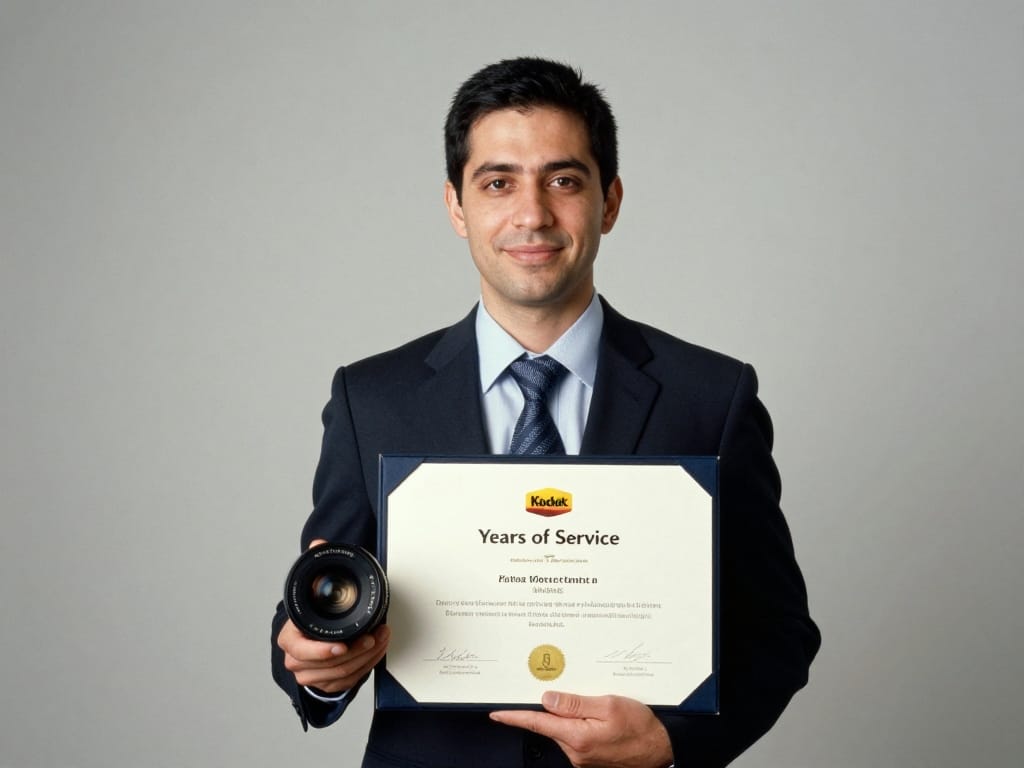
Many large organizations have successfully implemented years of service recognition programs, demonstrating tangible benefits for employee retention and morale. For instance, IBM, a global technology leader with over 300,000 employees, has long championed its "Milestone Awards" program. Employees reaching five-year increments receive personalized gifts, public acknowledgments, and sometimes experiential rewards like trips or professional development opportunities. Key outcomes include a notable increase in retention rates-IBM reports that participants in the program are 20% more likely to stay beyond their milestone year. Lessons learned highlight the importance of personalization; generic rewards often fall flat, while tailored experiences foster deeper loyalty. By involving managers in the selection process, IBM ensures recognitions align with individual preferences, enhancing perceived value.
Another exemplary case is Walmart, the retail giant employing millions worldwide. Their "Years of Service" initiative honors associates at 5, 10, 15, and 20-year marks with badges, bonuses, and store-wide celebrations. In one reported fiscal year, this program correlated with a 15% reduction in turnover among long-term staff, contributing to operational stability in high-volume environments. Outcomes also include improved team dynamics, as public recognitions build a culture of appreciation. A critical lesson from Walmart's experience is the need for inclusivity; ensuring part-time and remote workers feel equally valued prevents feelings of exclusion. Regular feedback loops, such as surveys post-recognition, have allowed Walmart to refine the program, emphasizing timely and sincere acknowledgments over extravagant gestures.
Similarly, Deloitte, a professional services firm with a vast global workforce, integrates years of service into its broader talent management strategy. Their program offers sabbaticals, equity grants, and mentorship pairings for veterans. This has led to enhanced innovation, with long-tenured employees mentoring newcomers, resulting in a 25% uptick in internal promotions. Lessons underscore the value of tying recognitions to career growth, rather than just tenure, to motivate ongoing performance.
Key Lessons from Case Studies
For HR leaders in companies with over 200 employees, these examples illustrate that effective programs require customization, measurable impacts, and continuous evolution to truly resonate and drive organizational success.
Implementing a recognition program that highlights meaningful career moments requires a structured approach, especially for HR teams in larger organizations. Start by conducting a thorough needs assessment. Survey employees across departments to identify what constitutes a "meaningful moment" in their careers.
Examples of Meaningful Career Moments:
This data will help tailor the program to resonate with your workforce of over 200 employees, ensuring it aligns with company values and culture.
Next, form a cross-functional team including HR, leadership, and employee representatives to design the program. Define clear criteria for recognition, such as years of service tiers (e.g., 5, 10, 15 years), and incorporate personalized elements like custom awards, public acknowledgments, or experiential rewards. Integrate technology, such as a digital platform for nominations and tracking, to streamline processes and make participation accessible company-wide.
For rollout, communicate the program effectively through town halls, emails, and intranet posts. Train managers on how to nominate and celebrate moments authentically, emphasizing storytelling to make recognitions memorable. Pilot the program in one department to gather feedback and refine before full implementation.
To maintain the program, establish ongoing evaluation mechanisms. Set KPIs like participation rates, employee satisfaction scores, and retention metrics to measure impact. Schedule annual reviews to update the program based on evolving employee needs and business goals. Encourage continuous feedback loops, perhaps through quarterly surveys, to keep the initiative fresh and relevant.
Budgeting is crucial-allocate resources for rewards, events, and tools, aiming for sustainability without straining finances. By fostering a culture of appreciation, these programs not only boost morale but also enhance loyalty, reducing turnover in competitive talent markets. Ultimately, emphasizing meaningful moments transforms routine acknowledgments into powerful drivers of engagement and long-term success.
FAQ
What are some best practices for implementing a years of service recognition program in a company with more than 200 employees?
To implement an effective years of service recognition program in a large company, begin with a needs assessment by surveying employees to understand valued milestones. Form a cross-functional team to define criteria like service tiers (5, 10, 15 years) and personalized rewards. Use technology for nominations, communicate via company channels, pilot in one department, and measure success with KPIs such as participation and retention rates. Budget sustainably and review annually to keep it relevant.
Evaluating the effectiveness of years of service programs is essential for HR leaders in mid-sized to large organizations, ensuring these initiatives genuinely enhance employee engagement and career fulfillment. By focusing on key metrics and robust evaluation methods, companies can refine their recognition efforts to foster a more committed and satisfied workforce.
Start with quantitative metrics that provide clear, data-driven insights.
Key Quantitative Metrics:
Qualitative methods add depth to these numbers. Conduct focus groups or one-on-one interviews with participants to capture personal stories of how milestone recognitions have influenced their sense of purpose and career satisfaction. Analyze feedback for themes like increased morale or a renewed commitment to company goals. Net Promoter Scores (NPS) tailored to internal experiences can reveal how likely employees are to recommend the organization as a great place to build a long-term career.
To ensure comprehensive evaluation, integrate longitudinal studies that follow cohorts over time. For example, track career progression metrics, such as promotion rates or skill development opportunities taken by those who have received service awards. Compare these against non-participants to isolate the program's impact. Tools like HR analytics software, including platforms from Workday or SAP SuccessFactors, can automate data collection and visualization, making it easier to spot trends.
Ultimately, combining these metrics and methods allows HR teams to demonstrate ROI on recognition programs. By showing tangible links to engagement and fulfillment-such as a 15% uplift in engagement scores or reduced attrition-leaders can justify investments and continuously improve initiatives. This data-centric approach not only validates the programs but also aligns them with broader organizational objectives, creating a culture where meaningful career moments are celebrated and sustained.
Culture (KUL-chəə r) is a principle that includes the social actions, establishments, and standards found in human societies, in addition to the understanding, beliefs, arts, legislations, customs, capacities, attitudes, and practices of the people in these teams. Culture commonly originates from or is credited to a particular area or area. Human beings obtain culture with the finding out processes of enculturation and socialization, which is revealed by the variety of cultures across cultures. A social norm codifies acceptable conduct in society; it acts as a standard for behavior, outfit, language, and behavior in a situation, which functions as a design template for assumptions in a social team. Accepting only a monoculture in a social team can birth dangers, just as a single types can wither when faced with ecological modification, for lack of practical responses to the adjustment. Thus in military culture, valiance is counted as a normal actions for an individual, and responsibility, honor, and loyalty to the social team are counted as merits or useful actions in the continuum of problem. In religion, analogous qualities can be recognized in a social group. Cultural change, or repositioning, is the reconstruction of a cultural principle of a culture. Cultures are inside impacted by both forces encouraging change and pressures withstanding modification. Cultures are externally affected using call between cultures. Organizations like UNESCO attempt to preserve society and social heritage.
.Turn over or turn over might refer to:
.Staff member interaction is an essential principle in the effort to understand and define, both qualitatively and quantitatively, the nature of the partnership between a company and its staff members. An "engaged employee" is defined as one who is completely soaked up by and passionate regarding their job and so takes favorable activity to further the organization's online reputation and interests. An engaged employee has a favorable mindset in the direction of the company and its worths. On the other hand, a disengaged staff member may range from somebody doing the bare minimum at the office (aka 'coasting'), as much as a staff member who is proactively harming the company's job output and track record. A company with "high" staff member interaction might consequently be anticipated to outshine those with "reduced" staff member involvement. Employee interaction first looked like a principle in monitoring theory in the 1990s, becoming widespread in administration technique in the 2000s, however it remains disputed. Despite academic reviews, employee interaction practices are well developed in the monitoring of personnels and of internal interactions. Staff member involvement today has actually come to be associated with terms like 'em ployee experience' and 'em ployee contentment', although satisfaction is a various concept. Whereas involvement describes work motivation, complete satisfaction is an employee's perspective concerning the job-- whether they like it or otherwise. The significance is far more because of the substantial bulk of brand-new generation specialists in the workforce that have a greater propensity to be 'distracted' and 'disengaged' at the office. A current study by StaffConnect suggests that a frustrating variety of business organizations today (74. 24%) were planning to improve employee experience in 2018.
.