
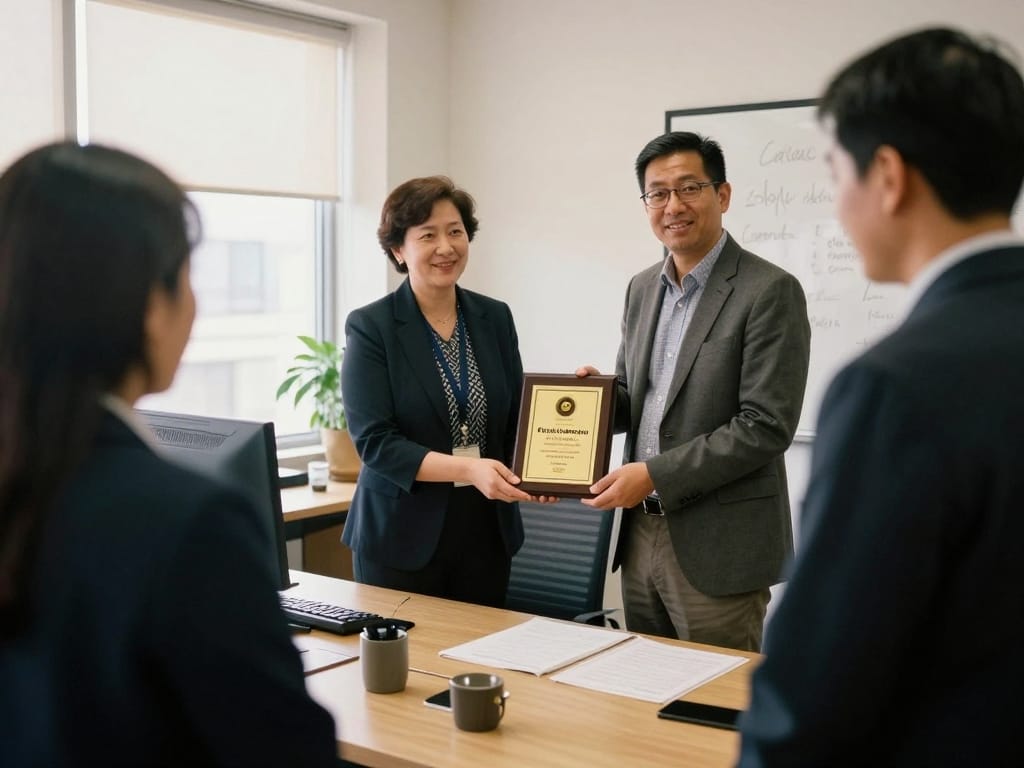
In large organizations, employee turnover remains a persistent challenge, often driven by a confluence of factors that erode job satisfaction and loyalty. One primary contributor is the lack of recognition for employees' contributions and tenure. When long-serving staff feel undervalued, their motivation wanes, leading to higher attrition rates. Studies from organizations like Gallup indicate that employees who do not receive adequate acknowledgment are twice as likely to seek opportunities elsewhere within a year. This is particularly acute in companies with over 200 employees, where individual efforts can easily get lost in the bureaucratic shuffle.
Another key factor is inadequate career development opportunities. In expansive corporate structures, employees may perceive limited pathways for advancement, prompting them to look for roles that offer clearer growth trajectories. Compensation discrepancies also play a significant role; when pay does not align with market standards or internal equity, dissatisfaction brews. Work-life balance issues, exacerbated by demanding workloads in large-scale operations, further compound the problem, with burnout becoming a common precursor to resignation.
Organizational culture and leadership styles influence turnover as well. Toxic environments or disconnected management can foster disengagement, while poor communication channels leave employees feeling isolated. External factors, such as economic shifts or industry disruptions, can amplify these internal pressures, making retention even more precarious.
Key Factors in Employee Turnover
Addressing these factors through strategic programs is crucial for fostering loyalty and reducing turnover costs, which can exceed 150% of an employee's annual salary in replacement expenses. Implementing years of service recognition programs stands out as an effective strategy. These initiatives not only celebrate milestones but also reinforce a culture of appreciation, directly countering feelings of invisibility. By integrating personalized acknowledgments, such as awards, bonuses, or public recognitions, organizations can boost morale and engagement. For HR leaders in sizable companies, investing in such programs yields measurable returns, with research from SHRM showing up to a 20% decrease in voluntary turnover. Ultimately, proactive measures that prioritize consistent acknowledgment shape positive retention patterns, ensuring a stable and committed workforce.
FAQ
How can we implement a years of service recognition program in a company with more than 200 employees?
To implement an effective years of service recognition program, start by defining milestones (e.g., 5, 10, 15 years) and corresponding rewards like personalized awards, bonuses, or additional time off. Use HR software to track employee tenure and automate notifications. Communicate the program through company-wide announcements and leadership endorsements to build excitement. Incorporate public recognition events or newsletters to make acknowledgments visible. Finally, measure success via employee satisfaction surveys and turnover data, adjusting as needed to ensure it aligns with your organizational culture and boosts retention.
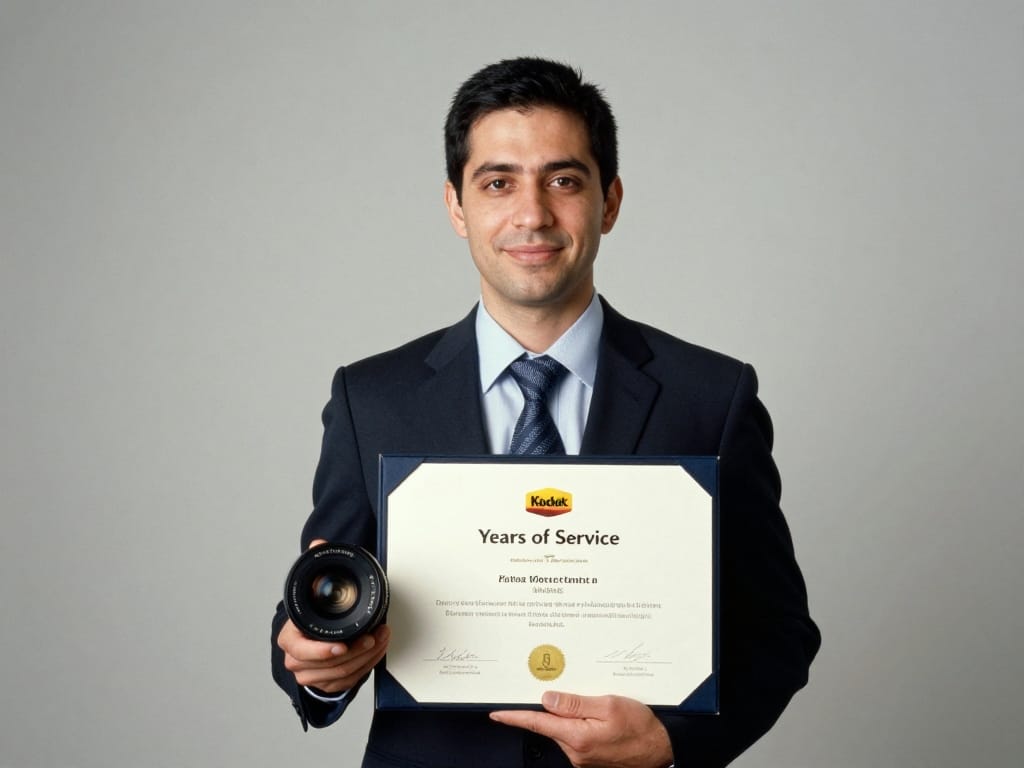
In the competitive landscape of modern workplaces, retaining top talent is a critical challenge for HR professionals in companies with over 200 employees. One powerful strategy that has emerged is the implementation of consistent acknowledgment programs, particularly those focused on years of service recognition. By regularly recognizing employee contributions, organizations can significantly shape long-term retention patterns and cultivate a deep sense of loyalty among their workforce.
Regular recognition goes beyond occasional praise; it involves structured systems that highlight milestones, achievements, and daily efforts. For instance, years of service awards not only celebrate tenure but also reinforce the value of an employee's ongoing commitment. Research from Gallup indicates that employees who feel appreciated are 2.5 times more likely to be engaged at work, which directly correlates with lower turnover rates. When acknowledgment is consistent, it creates a positive feedback loop where employees feel valued, leading to increased job satisfaction and a stronger emotional connection to the company.
This approach fosters loyalty by addressing key psychological needs, such as belonging and esteem, as outlined in Maslow's hierarchy. In large organizations, where individual contributions might otherwise go unnoticed, personalized recognition programs-such as customized awards, public shout-outs, or experiential rewards-help bridge the gap. A study by Deloitte found that companies with robust recognition initiatives experience up to 31% lower voluntary turnover. Moreover, these programs encourage a culture of appreciation that permeates all levels, from entry-level staff to executives, promoting internal mobility and reducing the allure of external opportunities.
Key Facts on Recognition and Retention
To maximize impact, HR leaders should integrate recognition into the company ethos, ensuring it's timely, sincere, and aligned with core values. By analyzing retention data pre- and post-implementation, organizations can quantify how these efforts reduce attrition, particularly among long-tenured employees. Ultimately, consistent acknowledgment transforms retention from a reactive measure into a proactive strategy, building a loyal workforce that drives sustained business success.
Defining clear program objectives is essential for any years of service recognition initiative, ensuring it directly supports employee retention and organizational loyalty. Start by aligning these objectives with broader company goals, such as reducing turnover rates or enhancing team morale through consistent acknowledgment of tenure. For companies with over 200 employees, objectives should emphasize scalability, allowing the program to accommodate diverse departments and roles effectively. Incorporate measurable outcomes, like improved employee satisfaction scores, to track the program's impact over time. This strategic alignment not only honors long-term commitment but also reinforces a culture of appreciation that motivates ongoing performance.
Establishing precise milestone definitions helps structure the recognition program by marking significant tenure intervals, such as 5, 10, or 15 years of service. These milestones should be tailored to reflect the company's industry and workforce dynamics, ensuring they resonate with employees' career journeys. In larger organizations, consider varying milestones based on role types or departments to maintain relevance and inclusivity. Clearly communicate these definitions through company-wide channels to build anticipation and transparency. By doing so, the program fosters a sense of progression and achievement, directly contributing to sustained employee engagement and alignment with long-term business objectives.
Selecting appropriate rewards is crucial to make the recognition meaningful and aligned with employee preferences and company values.
Common Reward Options
These options honor individual contributions while supporting career growth. For firms with extensive staff, ensure rewards are equitable and scalable, perhaps incorporating tiered systems based on tenure length. Involve employee feedback in the selection process to enhance perceived value and relevance. This approach not only celebrates tenure but also ties rewards to company goals, such as fostering innovation or leadership development.
Developing a robust implementation strategy ensures the program's smooth rollout and ongoing management across the organization. Begin with a timeline that includes planning, communication, and execution phases, assigning dedicated HR teams to oversee each step. Leverage digital platforms for tracking tenure and automating notifications to handle the scale of larger companies efficiently. Train managers on delivering recognitions personally to add a human touch and strengthen relationships. Regularly review the strategy to adapt to changing workforce needs, ensuring the program remains effective in promoting retention and goal alignment.
Incorporating evaluation metrics allows HR to assess the program's effectiveness in honoring tenure and driving retention patterns. Key metrics might include participation rates, employee feedback surveys, and correlations with turnover data to measure impact. For companies exceeding 200 employees, use analytics tools to gather comprehensive data across locations and departments. Analyze trends over time to refine the program, ensuring it continues to align with evolving company goals. This data-driven approach validates the investment in recognition efforts and highlights areas for improvement, ultimately enhancing overall employee satisfaction and loyalty.
FAQ
How can we ensure a years of service recognition program is scalable for a company with more than 200 employees?
To ensure scalability, emphasize it in program objectives to accommodate diverse departments, leverage digital platforms for tracking and notifications, select equitable and tiered rewards, and use analytics tools for evaluation across the organization.
In the dynamic landscape of modern workplaces, consistent acknowledgment of employees' contributions, particularly through years of service recognition programs, plays a pivotal role in fostering a positive organizational environment. When employees feel valued for their dedication and longevity, it directly boosts workplace morale. This sense of appreciation creates an atmosphere where individuals are more engaged and satisfied with their roles, reducing feelings of burnout and disconnection. Studies from organizations like Gallup indicate that recognized employees are up to 2.5 times more likely to be motivated, leading to higher job satisfaction rates.
Beyond morale, acknowledgment significantly enhances productivity. Employees who receive regular recognition for their tenure are more inclined to invest extra effort into their tasks, knowing their hard work is noticed and rewarded. This can manifest in improved performance metrics, such as increased output and better quality of work. For instance, companies implementing structured service award programs often report a 10-15% uptick in productivity, as per HR analytics from firms like Deloitte. By celebrating milestones, businesses encourage a culture of excellence, where long-term employees mentor newcomers, further amplifying team efficiency.
Key Statistics on Recognition Programs
The ripple effects extend to overall business outcomes, driving tangible results like lower turnover rates and higher profitability. Retention improves because acknowledged employees are less likely to seek opportunities elsewhere, saving companies substantial costs associated with recruitment and training-estimated at 1.5 to 2 times an employee's salary. Moreover, enhanced morale and productivity contribute to better customer satisfaction and innovation, positioning the organization for sustained growth. In companies with over 200 employees, where scaling recognition can be challenging, tailored programs ensure inclusivity, ultimately strengthening the bottom line. Embracing consistent acknowledgment isn't just a nicety; it's a strategic imperative for long-term success.

In large organizations with over 200 employees, integrating recognition initiatives can significantly enhance employee retention by fostering a culture of appreciation. For HR professionals, the key lies in implementing structured years of service recognition programs that acknowledge long-term commitment and contributions. These programs not only boost morale but also align with broader retention strategies, reducing turnover rates that can plague bigger companies due to impersonal environments.
Key Facts on Employee Retention and Recognition
To get started, begin with a thorough assessment of your company's current recognition practices. Conduct surveys or focus groups with employees across departments to identify gaps in acknowledgment, particularly for milestone anniversaries like 5, 10, or 20 years of service. This data will help tailor the program to your workforce's specific needs, ensuring it resonates with diverse teams in a large setting.
Next, design a scalable framework. Collaborate with department heads to create tiered recognition levels, such as personalized certificates, bonus time off, or custom awards for varying service lengths. For companies of this size, leverage technology like HR software platforms (e.g., Workday or BambooHR) to automate tracking of service milestones and send automated notifications. This ensures consistency and prevents oversights in a vast employee base.
Involve leadership at all levels to champion the initiative. Train managers on how to deliver meaningful recognition during team meetings or one-on-one sessions, emphasizing storytelling that highlights the employee's journey and impact. To integrate seamlessly, tie the program into existing HR processes, such as performance reviews or onboarding, making recognition a core part of the company ethos.
Communication is crucial - launch the program with company-wide announcements via intranet, emails, or town halls to build excitement. Encourage peer nominations to make it inclusive and foster a supportive culture.
Finally, measure the program's effectiveness through metrics like retention rates, employee satisfaction scores from annual surveys, and participation levels. Adjust based on feedback, perhaps by incorporating flexible options like experiential rewards (e.g., team outings) for modern workforces. By following these steps, HR professionals can create a robust recognition system that not only honors years of service but also shapes positive retention patterns, ultimately contributing to a more engaged and loyal workforce in large enterprises.
Evaluating the effectiveness of acknowledgment programs is crucial for ensuring they genuinely contribute to employee retention. For HR professionals in larger organizations, where years of service recognition plays a key role, a structured approach to measurement can reveal insights that drive meaningful improvements. Start by defining clear metrics aligned with your program's goals.
Common Retention Indicators
For instance, track how many employees reach milestone anniversaries and compare retention before and after implementing recognition initiatives.
To gather data, leverage multiple sources. Conduct regular pulse surveys to gauge employee sentiment regarding acknowledgment efforts-ask specific questions like "How valued do you feel by the company's recognition of your service?" or "Has the years of service program influenced your decision to stay?" Integrate this with quantitative data from HR systems, such as exit interview analyses that highlight whether lack of recognition contributed to departures. Advanced tools like HR analytics software can correlate acknowledgment participation with performance metrics, revealing patterns like reduced absenteeism among recognized long-term employees.
Once data is collected, analyze it for actionable insights. Use statistical methods to identify correlations; for example, if data shows higher retention in departments with personalized service awards, prioritize customization. Benchmark against industry standards to contextualize your results-companies with over 200 employees often see a 10-15% retention boost from effective programs, according to recent studies. Make data-driven improvements by iterating on findings: if surveys indicate digital badges are underappreciated, shift to tangible rewards like customized plaques or experiences.
Implement a feedback loop for continuous optimization. Set up quarterly reviews where cross-functional teams review metrics and propose adjustments. Pilot changes in select departments before company-wide rollout, measuring impact through A/B testing. For example, test a new tiered recognition system for 5-, 10-, and 15-year milestones and monitor subsequent retention shifts. By fostering a culture of data-informed decision-making, acknowledgment programs evolve from mere gestures to strategic tools that shape positive retention patterns. This methodical evaluation not only justifies investment but also enhances overall employee satisfaction, ultimately supporting long-term organizational success.
What are the best ways to measure the impact of a years of service recognition program on employee retention in a large company?
To measure the impact effectively, define key metrics such as retention rates, tenure-segmented turnover data, and engagement survey scores. Gather insights through pulse surveys asking about perceived value of recognition, analyze exit interviews for recognition-related feedback, and use HR analytics to correlate program participation with outcomes like reduced absenteeism. Benchmark against industry norms for companies with over 200 employees, and implement A/B testing for program tweaks to optimize results.
Implementing a years of service recognition program in larger organizations can encounter several hurdles, but with proactive strategies, these can be effectively managed to foster long-term employee retention. One common obstacle is securing adequate budget allocation, especially when competing with other HR initiatives. To counter this, HR leaders should prepare data-driven proposals highlighting ROI, such as reduced turnover costs and improved morale metrics from similar programs in comparable companies. Demonstrating how consistent acknowledgment correlates with retention patterns can persuade stakeholders of its value.
Another challenge is gaining buy-in from management and employees. Skepticism may arise if past efforts felt insincere or inconsistent. Address this by involving cross-departmental teams in program design, ensuring it aligns with company values. For instance, pilot the program in one department to gather testimonials and refine based on real feedback, building credibility before a full rollout.
Logistical issues, like tracking service milestones accurately in a workforce exceeding 200 employees, can also impede success. Leveraging HR software with automated notifications and customizable reward options streamlines this process. Integrate the program with existing performance systems to make acknowledgment feel seamless and integral to daily operations.
Resistance to change or cultural misalignment poses yet another barrier. In diverse, large-scale environments, not all employees may value the same forms of recognition. Overcome this by offering personalized options, such as experiential rewards or professional development opportunities, rather than one-size-fits-all gifts. Regularly survey participants to adapt the program, ensuring it evolves with workforce needs.
Key KPIs for Measuring Impact
Finally, measuring program impact is crucial but often overlooked. Establish clear KPIs from the outset. Use analytics to iterate, proving the program's role in shaping positive retention patterns through consistent, meaningful acknowledgment. By anticipating these obstacles and deploying targeted strategies, HR can create a resilient recognition framework that boosts loyalty and reduces attrition in sizable organizations.
Turn over or pass on may describe:
.Employee retention is the ability of an organization to retain its employees and ensure sustainability. Employee retention can be represented by a simple statistic (for example, a retention rate of 80% usually indicates that an organization kept 80% of its employees in a given period). Employee retention is also the strategies employers use to try to retain the employees in their workforce.
In a business setting, the goal of employers is usually to decrease employee turnover, thereby decreasing training costs, recruitment costs and loss of talent and of organisational knowledge. Some employers seek "positive turnover" whereby they aim to maintain only those employees whom they consider to be high performers.
Studies have shown that cost related to directly replacing an employee can be as high as 50–60% of the employee's annual salary, but the total cost of turnover can reach as high as 90–200% of the employee's annual salary.[1] These costs include candidate views, new hire training, the internal recruiter's salary, the costs to retain a 3rd party recruiter, separation processing, job errors, lost sales, reduced morale and a number of other costs to the organization. Turnover also affects organizational performance. High-turnover industries such as retailing, food services, call centres, elder-care nurses, and salespeople make up almost a quarter of the United States population. Replacing workers in these industries is less expensive than in other, more stable, employment fields but costs can still reach over $500 per employee.[2] As of November 2022, Gallup found that 49% of U.S. employees were watching for or actively seeking a new job.[3]
An alternative motivation theory to Maslow's hierarchy of needs is the motivator-hygiene (Herzberg's) theory. While Maslow's hierarchy implies the addition or removal of the same need stimuli will enhance or detract from the employee's satisfaction, Herzberg's findings indicate that factors garnering job satisfaction are separate from factors leading to poor job satisfaction and employee turnover. Herzberg's system of needs is segmented into motivators and hygiene factors. Hygiene factors include expected conditions that if missing will create dissatisfaction. Examples of hygiene factors include bathrooms, lighting, and the appropriate tools for a given job. Employers must utilize positive reinforcement methods while maintaining expected hygiene factors to maximize employee satisfaction and retention.[4]
Flexible work arrangements (FWAs) involve adapting an organization's work system to become more flexible, which may include adjusting how tasks are distributed among employees or allowing staff to set their own working hours and location. Although FWAs existed before the COVID-19 pandemic, the use of FWAs surged during the pandemic. According to a 2023 OECD report, almost all public sector organizations in OECD countries implemented flexible working arrangements, at least in the form of part-time work and flextime.[5]
FWAs were found to have a positive impact on employee retention and also organizational productivity in a 2022 study.[6]
FWAs increase flexibility in when, where, and sometimes how employees work. As a result, employees with higher autonomy tend to value their jobs more, experience greater happiness and job satisfaction, and are more likely to stay with their employer.[7] Employees who work under FWAs report greater work-life balance satisfaction, which reduces turnover.[8]
FWAs can sometimes negatively impact employee retention.[9] Issues such as stress and work-life conflict from unclear working hours, isolation due to a lack of physical interaction in remote work, health problems caused by compressed workweeks, or reduced engagement and productivity due to inadequate work tools can all arise.
A large-scale field experiment by Bloom, Han, and Liang (2024) found that employees offered a hybrid schedule—three days in the office and two days at home—were 35 percent less likely to quit over a two-year period than those required to work on-site full-time.[10]
In September 2024 the New Zealand Government issued updated guidance for public service agencies stating that working from home "is not an entitlement" and must be mutually agreed between employer and employee. The guidance requires that remote arrangements "must not compromise employee performance or the objectives of the agency," and directs agencies to monitor and report the number and type of agreements to the Public Service Commission, which will publish the data for transparency.[11]
Equity considerations further complicate retention outcomes. Hybrid policies can inadvertently favor employees with suitable home office environments and high-speed internet, while disadvantaging those in small or shared living spaces. Research also shows gendered effects: hybrid work can help retain women with caregiving responsibilities, yet some women report slower advancement when working remotely more frequently than male colleagues.[12]
To maximize the retention advantages of remote and hybrid models, a report from McKinsey recommend clear performance metrics, regular virtual check-ins, and intentional efforts to maintain organizational culture. [13]
Artificial Intelligence (AI) tools have been used to analyze employee performance metrics to attempt to identify patterns that may indicate potential turnover.[14][15]
HR analytics has been used to identify the root causes of employee attrition.[16][17]
Diversity, equity, and inclusion (DEI) initiatives are designed to promote equity, combat discrimination, and provide support for diverse employee needs. Research conducted by Ashikali and Groeneveld in 2015 established that the positive effect of diversity management on employee commitment is often mediated by the inclusiveness of the organizational culture and the role of transformational leadership.[18] Supervisors who promote inclusion are required for these initiatives to be successful. Trochmann, Stewart, and Ragusa (2023) found that positive perceptions of diversity and inclusion were significantly associated with higher levels of job satisfaction and overall workplace happiness in racially diverse agencies.[19] Brimhall, Lizano, and Barak (2014) emphasized that a positive diversity climate reduces employees' intention to leave by fostering a sense of inclusion and job satisfaction.[20]
Ritz and Alfes (2018) showed that in multilingual public administrations, employees' attachment to their jobs increased when their supervisors actively supported diversity and fostered an inclusive environment.[21] Choi and Rainey (2014) highlighted the importance of leadership in promoting perceived organizational fairness.[22]
cite journal: CS1 maint: multiple names: authors list (link)cite journal: CS1 maint: DOI inactive as of September 2025 (link)