
In today's competitive business landscape, organizations with over 200 employees face unique challenges in maintaining a motivated and loyal workforce. Recognizing years of service through milestone experiences emerges as a pivotal strategy to enhance employee engagement, boost retention rates, and foster a positive company culture. This practice not only acknowledges individual contributions but also reinforces the organization's commitment to its people, creating a ripple effect that benefits the entire enterprise.
Key Facts About Milestone Recognition
Employee engagement is significantly amplified when long-term service is celebrated. In larger companies, where employees might feel like just another number, personalized milestone recognitions-such as custom awards, experiential events, or public acknowledgments-make individuals feel valued and seen. According to industry studies, engaged employees are 21% more productive, and milestone programs can increase this by instilling a sense of belonging. For instance, in firms with expansive teams, these recognitions help bridge the gap between management and staff, encouraging discretionary effort and innovation.
Retention is another critical area where milestone recognition shines. High turnover in large organizations can be costly, with replacement expenses often exceeding 200% of an employee's salary. By honoring tenure, companies signal that loyalty is rewarded, reducing the likelihood of employees seeking opportunities elsewhere. Data from HR analytics shows that employees who receive meaningful service awards are up to 2.5 times more likely to stay, particularly in environments with over 200 staff where career progression might seem slower. This not only saves on recruitment costs but also preserves institutional knowledge, which is invaluable in complex operations.
Moreover, these recognitions play a vital role in shaping company culture. In bigger organizations, a strong culture acts as the glue that holds diverse teams together. Milestone events promote shared values like dedication and perseverance, inspiring newer employees and creating traditions that enhance morale. They cultivate an inclusive atmosphere where achievements are celebrated collectively, leading to higher job satisfaction and a more cohesive work environment. Ultimately, for HR leaders in sizable companies, implementing robust years-of-service programs is not just a perk-it's a strategic imperative for long-term success.
In the realm of employee recognition, particularly for years of service milestones, personalization stands as a cornerstone for creating lasting impressions. For HR leaders in organizations with over 200 employees, developing tailored recognition programs begins with understanding the unique preferences and contributions of each individual. Start by gathering data through surveys or performance reviews to identify what motivates employees-whether it's experiential rewards, public acknowledgments, or personalized gifts.
One effective guideline is to segment your workforce based on demographics, roles, and tenure. For instance, a long-serving engineer might appreciate a tech gadget customized with their name and service years, while a creative team member could value a bespoke art piece reflecting their projects. Incorporate storytelling elements by sharing anecdotes from colleagues during milestone events, making the recognition feel intimate and genuine.
To enhance memorability, integrate technology such as personalized video messages from executives or interactive digital timelines highlighting an employee's journey. Ensure inclusivity by offering choices in rewards, like selecting from a menu of experiences such as a spa day, adventure outing, or professional development course. This approach not only boosts engagement but also fosters a sense of belonging.
Key Benefits of Personalized Milestone Experiences
Measure the impact through follow-up feedback to refine programs continually. By prioritizing personalization, companies can transform standard milestone recognitions into profound experiences that reinforce loyalty and morale. Remember, the goal is to make employees feel seen and valued, turning service anniversaries into cherished memories that propel long-term retention.
Initiating a years of service recognition program in large companies begins with a thorough assessment of current employee tenure data and existing recognition practices. HR teams should analyze workforce demographics to identify milestone patterns, such as common anniversary dates, ensuring the program aligns with company culture and values. This phase involves gathering feedback from department heads to understand potential challenges in diverse operational units. By mapping out the scale of the organization, including remote and international locations, teams can anticipate logistical hurdles early on. Ultimately, this foundational step sets the stage for a tailored initiative that resonates across all levels.
Developing a comprehensive planning strategy requires outlining clear objectives, such as boosting retention and morale through personalized recognitions. HR professionals should collaborate with leadership to define milestone tiers, like 5, 10, or 20 years, and select appropriate rewards, from certificates to experiential gifts. Budget allocation is crucial, factoring in costs for events, gifts, and technology platforms for tracking. Incorporating scalability ensures the program can expand with company growth, while timelines help in sequencing rollout phases. This strategic blueprint minimizes disruptions and maximizes impact in large-scale settings.
A robust communication plan is essential to inform and engage employees about the recognition initiative from the outset. Utilize multiple channels, such as company intranets, emails, and town halls, to announce the program and its benefits clearly. Tailor messages to different departments, highlighting how milestones will be celebrated to foster inclusivity. Regular updates build anticipation and address any queries, ensuring transparency throughout the rollout. Effective communication not only drives participation but also reinforces the company's commitment to valuing long-term service.
Logistical coordination involves managing the practical aspects of delivering recognitions across widespread operations, including sourcing vendors for awards and scheduling events. For global companies, consider time zones and cultural differences to make celebrations meaningful and accessible. Integrate HR software for automated tracking of anniversaries, reducing manual errors in large employee bases. Coordinate with facilities teams for on-site events or virtual platforms for remote workers, ensuring seamless execution. Proactive planning for contingencies, like supply chain delays, keeps the program running smoothly without interruptions.
Post-rollout, establishing evaluation metrics helps measure the program's success and areas for improvement in large organizations.
Key Metrics to Track
Analyze feedback to refine future initiatives, such as adjusting reward options based on preferences. Compare pre- and post-program data on engagement levels to quantify ROI. Continuous monitoring ensures the recognition efforts evolve, sustaining long-term benefits for employee loyalty and organizational culture.
In today's fast-paced corporate environment, leveraging digital tools and platforms is essential for streamlining and enhancing milestone recognition efforts, particularly in organizations with over 200 employees. By integrating technology into years of service recognition programs, HR teams can create efficient, scalable, and engaging experiences that honor employee dedication without overwhelming administrative burdens.
Key Benefits of Technology Integration
Start with HR management software like Workday or BambooHR, which automate milestone tracking. These platforms can monitor employee tenure in real-time, sending automated notifications to managers when anniversaries approach. This eliminates manual spreadsheets and ensures no milestone slips through the cracks. For instance, integrating these systems with email automation tools allows for personalized congratulatory messages, complete with digital certificates or e-cards, fostering a sense of appreciation across distributed teams.
To enhance engagement, consider social recognition platforms such as Bonusly or Achievers. These tools enable peer-to-peer shoutouts, where colleagues can publicly celebrate milestones on internal feeds, similar to social media. Gamification elements, like digital badges or points redeemable for rewards, add fun and motivation. In larger companies, this promotes a culture of recognition that scales effortlessly, encouraging participation from all levels.
Virtual event platforms like Zoom or Microsoft Teams take celebrations further by hosting online ceremonies. For remote or hybrid workforces, these can include live streams of award presentations, virtual toasts, or interactive polls. Augmented reality (AR) apps can even create immersive experiences, such as virtual reality tours as gifts for long-serving employees.
Analytics features in these tools provide valuable insights, allowing HR to measure program effectiveness through engagement metrics and feedback surveys. This data-driven approach helps refine future efforts, ensuring recognition remains meaningful and impactful. Ultimately, by embracing digital solutions, companies not only streamline processes but also amplify the emotional resonance of milestones, boosting retention and morale in a competitive talent landscape.

Evaluating the effectiveness of milestone experiences is crucial for HR professionals in large organizations to ensure that years of service recognition programs deliver real value. By systematically measuring outcomes, companies can refine these initiatives to boost employee engagement and loyalty. One primary method involves tracking employee satisfaction through surveys and feedback mechanisms. Post-event surveys can gauge participants' emotional responses, asking questions about how valued they felt and whether the experience met their expectations. For instance, using a Net Promoter Score (NPS) adapted for internal events can quantify satisfaction levels, with scores above 50 indicating strong positive impact. Additionally, qualitative feedback, such as open-ended comments, provides insights into what aspects resonated most, like personalized gifts or team celebrations, allowing HR to iterate on future programs.
Retention rates serve as another key metric, offering a long-term view of the program's influence. By analyzing turnover data before and after implementing milestone recognitions, organizations can correlate participation with employee longevity. For example, segmenting data by departments or tenure groups reveals patterns—such as reduced attrition among those who received tailored experiences versus generic awards. Tools like HR analytics software can track these metrics, integrating them with performance data to assess broader impacts on productivity and morale. A study by Gallup highlights that recognized employees are 2.5 times more likely to be engaged, underscoring the link between effective milestones and retention.
Key Metrics for Evaluating Recognition Programs
Beyond satisfaction and retention, consider secondary metrics like referral rates and internal promotion rates. High referral numbers post-milestone events suggest improved company advocacy, while increased promotions among recognized employees indicate enhanced career progression. To implement this evaluation, establish baselines prior to program rollout and conduct regular audits, perhaps quarterly, to monitor trends. Collaborating with data analysts ensures accurate interpretation, turning raw numbers into actionable strategies. Ultimately, these methods empower HR teams to demonstrate ROI to leadership, justifying investments in memorable experiences that foster a committed workforce. By prioritizing data-driven evaluation, companies with over 200 employees can transform recognition programs from mere traditions into strategic tools for talent management.

Many leading companies have mastered the art of turning employee milestones into unforgettable experiences, boosting retention and morale in the process. Take Salesforce, for instance, which has built a robust recognition program called "Trailblazer Milestones." Employees reaching service anniversaries receive personalized badges, custom swag, and even opportunities for professional development trips. This approach not only celebrates longevity but also aligns with the company's culture of continuous learning. Insights from Salesforce highlight that such programs lead to a 20% increase in employee satisfaction scores, as they make individuals feel valued beyond their daily contributions.
Another exemplary case is Deloitte, which implements a "Years of Service" initiative featuring tiered rewards. For 10-year milestones, employees might enjoy a luxury getaway or a bespoke experience like a hot air balloon ride, tailored to their interests. Deloitte's data shows that personalized elements in these recognitions correlate with higher engagement levels, reducing turnover by up to 15% among long-tenured staff. The key insight here is customization-gathering employee preferences through surveys ensures the milestone feels authentic and meaningful, rather than generic.
Google offers yet another model with its "gYears" program, where anniversaries are marked by public shout-outs in company-wide meetings, accompanied by unique perks like extra vacation days or donations to a charity of the employee's choice. This fosters a sense of community and purpose. From Google's experience, integrating social recognition amplifies the impact, with surveys indicating that 85% of participants report stronger loyalty post-milestone.
Key Statistics from Successful Programs
For HR leaders in larger organizations, these examples underscore the importance of scalability: programs must be adaptable to diverse workforces while maintaining consistency. By analyzing feedback loops, companies like these continually refine their strategies, ensuring milestones evolve with employee expectations. Implementing similar tactics can transform routine acknowledgments into powerful tools for cultural reinforcement and long-term commitment.
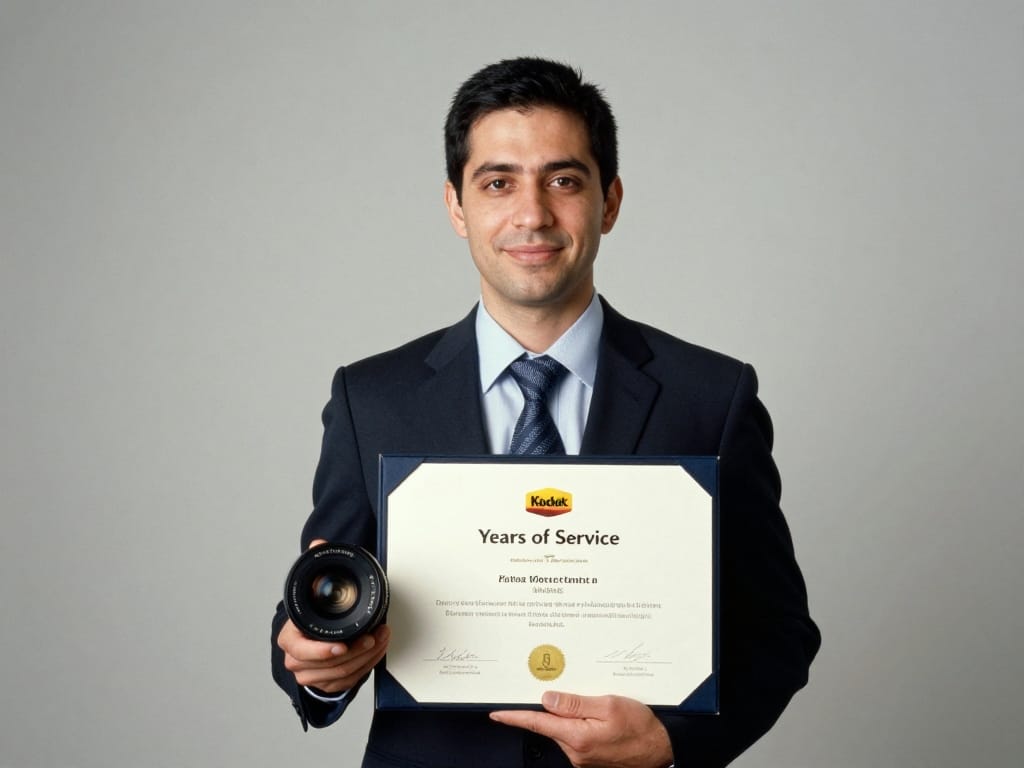
Implementing a years of service recognition program in large organizations often encounters hurdles like budget constraints and scalability issues. These challenges can hinder the creation of meaningful milestone experiences, but with strategic approaches, HR teams can overcome them effectively.
Budget constraints are a primary concern, especially when aiming to celebrate employee milestones memorably. To address this, prioritize cost-effective yet impactful rewards. For instance, instead of expensive gifts or events, opt for personalized digital recognitions such as custom e-cards, virtual shout-outs on company intranets, or access to exclusive online learning modules. Partnering with vendors for bulk discounts on items like branded merchandise can stretch budgets further. Additionally, leveraging internal resources-such as employee-led committees to organize low-cost events-reduces outsourcing expenses. A tiered reward system, where recognition scales with service length (e.g., a simple certificate for five years versus a team lunch for 20 years), ensures fiscal responsibility while maintaining motivation.
Scalability poses another obstacle in organizations with over 200 employees, where tracking and personalizing recognitions for a large workforce can become overwhelming. Implementing robust HR software is key here.
Key Strategies for Enhancing Scalability
These approaches not only save time but also ensure uniformity across departments without creating bottlenecks.
By tackling these obstacles head-on with practical solutions, HR professionals can build sustainable programs that honor long-term commitment, boosting retention and morale. Remember, the goal is to create authentic experiences that resonate, proving that thoughtful recognition doesn't require unlimited resources.
Retention price is a statistical measurement of the percentage of people that remain entailed with a group from one-time period to another. The concept is used in lots of contexts, consisting of advertising, investment, education, worker management, study, and clinical trials. The specific meaning relies on the context. As a general guideline, high retention represents a positive outcome. In marketing, retention rate count consumers and their activity irrespective deals they make. In a study of almost 200 elderly advertising and marketing managers, 63 percent reacted that they discovered the "retention rate" statistics very beneficial.
.Task complete satisfaction, staff member contentment or job complete satisfaction is a procedure of workers' contentment with their job, whether they such as the task or individual facets or aspects of jobs, such as nature of work or supervision. Job contentment can be gauged in cognitive (evaluative), affective (or emotional), and behavior elements. Researchers have actually also noted that task fulfillment measures vary in the extent to which they determine feelings about the work (affective work contentment). or cognitions regarding the work (cognitive job fulfillment). Among one of the most widely used interpretations in organizational research is that of Edwin A. Locke (1976 ), that defines task satisfaction as "a pleasant or favorable emotion arising from the evaluation of one's work or work experiences" (p. 1304). Others have specified it as simply exactly how content an individual is with their job; whether they like the job. It is assessed at both the international level (whether the individual is satisfied with the task overall), or at the facet level (whether the individual is pleased with different facets of the job). Spector (1997) listings 14 typical aspects: admiration, interaction, coworkers, additional benefit, Job conditions, nature of the work, company, personal growth, plans and procedures, promotion possibilities, recognition, security, and supervision.
.