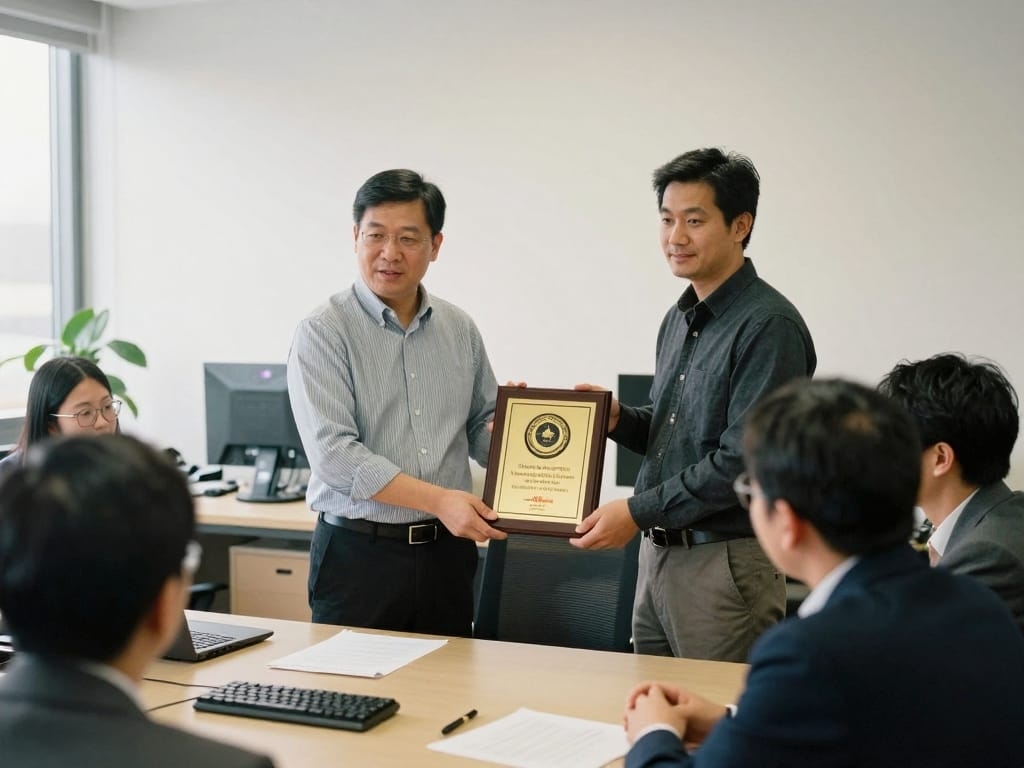
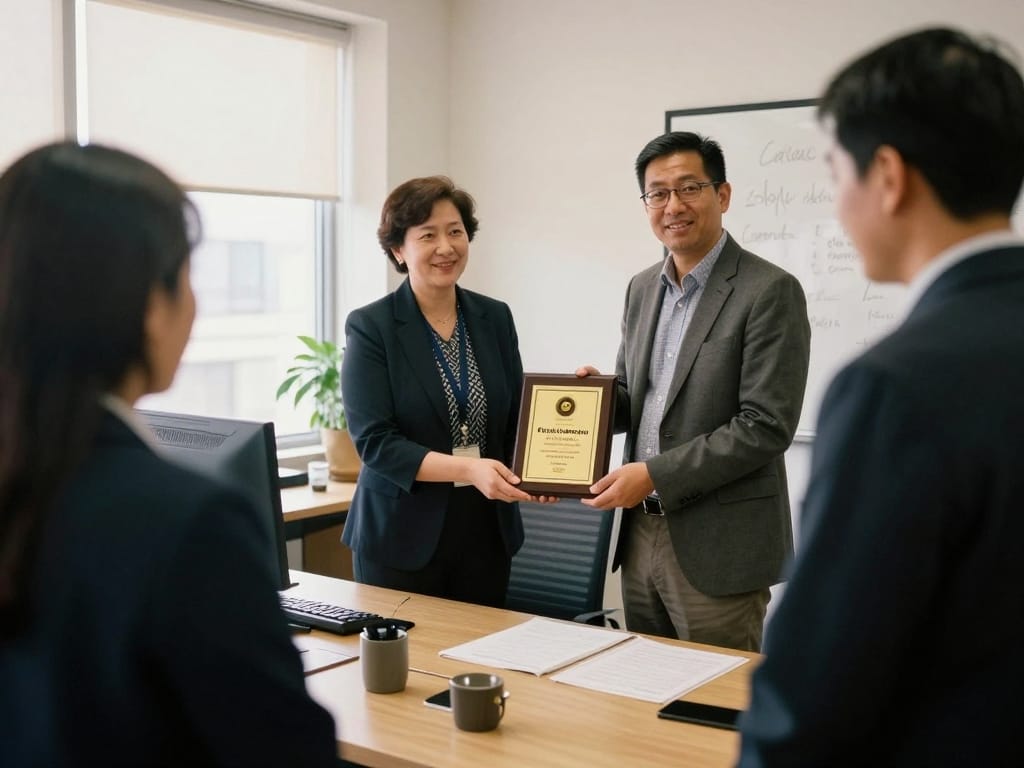
In large organizations, where the sheer scale can sometimes make individual contributions feel overlooked, the act of recognition emerges as a powerful catalyst for fostering a profound sense of value among employees. When companies implement structured recognition programs, such as those honoring years of service, they send a clear message that each person's dedication and longevity matter. This isn't just about handing out plaques or certificates; it's about acknowledging the human element behind the roles, transforming routine jobs into meaningful careers.
Research consistently shows that employees who feel valued are far more engaged. According to Gallup, highly engaged teams exhibit 21% greater profitability, underscoring the direct link between recognition and productivity. In environments with over 200 employees, where bureaucracy can dilute personal connections, targeted recognition bridges that gap. For instance, a years of service program not only celebrates milestones but also reinforces loyalty, reducing turnover rates that plague large firms. Employees who receive such acknowledgments report higher job satisfaction, as they perceive their efforts as integral to the organization's success.
Key Facts on Employee Recognition
This sense of value translates into tangible productivity gains. Recognized workers are more likely to go the extra mile, innovating and collaborating with enthusiasm. In competitive industries, where talent retention is key, HR leaders can leverage these programs to cultivate a culture of appreciation. By integrating personalized elements-like custom awards or public shout-outs-organizations amplify the impact, ensuring that recognition resonates on a personal level.
Ultimately, in large organizations, recognition isn't a luxury; it's a strategic imperative. It nurtures an ecosystem where employees thrive, driving sustained engagement and elevated performance. For HR professionals seeking to implement effective years of service recognition, the focus should be on authenticity and inclusivity, ensuring every milestone reinforces the silent power of feeling truly valued.
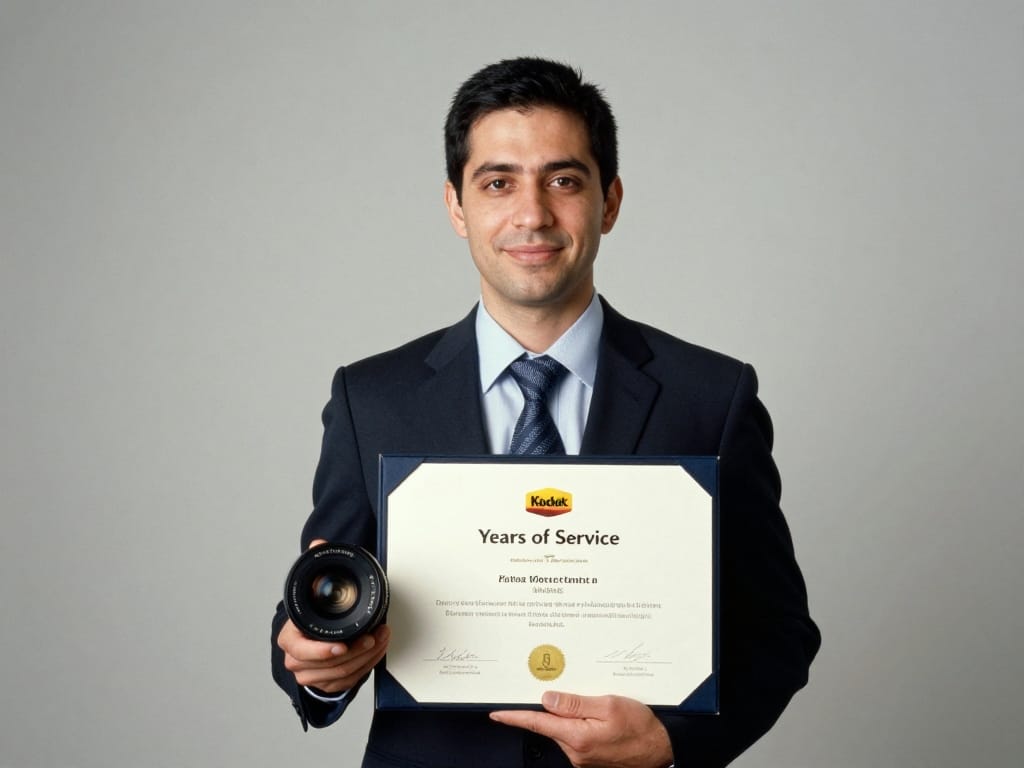
In the realm of employee engagement, years of service recognition programs stand out as a cornerstone for honoring long-term commitment, particularly in organizations with over 200 employees. These initiatives are designed to acknowledge the dedication of staff who have contributed significantly over extended periods, fostering a culture of appreciation and loyalty. At their core, such programs celebrate milestones like 5, 10, 15, or 20 years of service, reinforcing the value of tenure in an era where job-hopping is common.
The structure of these programs typically begins with clear eligibility criteria, ensuring fairness and transparency. Employees qualify based on continuous service, often excluding breaks or leaves beyond a certain threshold. Recognition tiers are established to escalate rewards with increasing years, starting with simple acknowledgments like certificates or pins for shorter tenures and progressing to more substantial perks for veterans, such as cash bonuses, extra vacation days, or personalized gifts.
A robust program includes a nomination and approval process, often managed by HR in collaboration with department heads, to verify service records accurately. Ceremonial elements are key, with events like annual award galas, virtual shout-outs in company newsletters, or personalized letters from leadership. For larger companies, integrating technology-such as HR software for tracking milestones-streamlines administration and ensures no one is overlooked.
Beyond the basics, effective programs incorporate customization to align with company values. For instance, service awards might tie into corporate social responsibility, offering donations to charities in the employee's name. Budgeting is crucial; allocations should be scalable, with costs per award ranging from modest for entry-level milestones to more generous for long-term achievers.
Metrics for Success
Implementing these structures not only boosts morale but also signals to the workforce that loyalty is rewarded, ultimately enhancing overall job satisfaction and reducing turnover in sizable enterprises.
FAQ Section
What are some effective ways to customize a years of service recognition program for a company with over 200 employees?
To customize effectively, align rewards with your company's core values, such as offering charity donations in the employee's name for milestones. Incorporate technology like HR software to track service automatically, and include engaging ceremonial elements like personalized leadership letters or virtual recognitions to make the program feel personal and inclusive, ultimately boosting engagement in large organizations.
In large enterprises, years of service recognition programs play a crucial role in reducing employee turnover by making staff feel appreciated for their long-term commitment. These initiatives often include personalized awards, public acknowledgments, and milestone celebrations that reinforce a sense of belonging. By addressing the emotional needs of employees, companies can decrease the likelihood of talented individuals seeking opportunities elsewhere, especially in competitive job markets. Research shows that organizations with strong recognition strategies experience up to 30% lower voluntary turnover rates. This not only saves on recruitment and training costs but also maintains operational continuity in large teams.
Key Facts on Turnover Reduction:
Recognition programs enhance employee loyalty in large enterprises by fostering a deeper emotional connection to the organization. When employees receive tangible rewards for their tenure, such as customized gifts or additional perks, it signals that their contributions are valued over time. This approach counters the anonymity often felt in large enterprises, where individual efforts can get lost in the crowd. As a result, loyal employees are more likely to advocate for the company and contribute innovative ideas. Strengthened loyalty leads to a stable workforce, reducing the instability that high turnover can bring to expansive operations.
Implementing service recognition in large enterprises significantly boosts overall morale by creating a positive work environment. Celebratory events and acknowledgments highlight individual achievements, inspiring others to strive for similar recognition. This uplift in spirits translates to higher productivity and collaboration among teams. In large settings, where disconnection can occur, these programs bridge gaps and promote a shared sense of purpose. Ultimately, elevated morale contributes to a resilient company culture that withstands external pressures.
Years of service programs strengthen company culture in large enterprises by embedding values of appreciation and respect into the organizational fabric. Through consistent recognition, companies cultivate an inclusive atmosphere where longevity is celebrated, encouraging a collective identity. This cultural reinforcement helps align diverse departments towards common goals, reducing internal conflicts. Employees in such environments report higher job satisfaction, which perpetuates a cycle of positive reinforcement. Strong cultures built on recognition are more adaptable to changes, ensuring long-term enterprise success.
These recognition initiatives increase employee engagement in large enterprises by motivating active participation and investment in daily tasks. When workers see their peers honored for dedication, it sparks a desire to contribute more meaningfully. In large enterprises, this heightened engagement leads to innovative problem-solving and better team dynamics. Engaged employees are less prone to disengagement-related turnover, preserving institutional knowledge. Overall, this fosters a vibrant culture where everyone feels integral to the company's mission.
In the bustling environment of large organizations with over 200 employees, fostering a sense of value through recognition can significantly boost morale and retention. For HR teams, designing and implementing years of service recognition programs requires a strategic approach to ensure they resonate across diverse, expansive teams. Begin by conducting a comprehensive needs assessment. Survey employees across departments to gauge what forms of recognition hold the most meaning-whether it's personalized awards, public acknowledgments, or experiential rewards like extra vacation days. This data-driven step ensures the initiative aligns with the workforce's preferences, making it more impactful in a large-scale setting.
Next, tailor the program structure to accommodate the size of your teams. Define clear milestones, such as 5, 10, 15, and 20 years of service, with escalating rewards to reflect loyalty. For scalability, integrate technology: use HR software to automate tracking of service anniversaries and notifications. This minimizes administrative burden and ensures no one is overlooked in a company of hundreds. Collaborate with department leads to customize elements, like team-specific celebrations, to maintain relevance amid varying roles and locations.
Example Milestones and Rewards
Rolling out the initiative demands effective communication. Launch with an all-hands meeting or company-wide email outlining the program's details, benefits, and how it ties into the organization's values. Train managers on delivering recognition authentically, perhaps through workshops that emphasize timely and sincere appreciation. To sustain momentum, incorporate feedback loops-quarterly reviews where employees can suggest improvements. Measure success through metrics like employee satisfaction scores, turnover rates, and participation levels. Adjust based on insights, such as adding virtual options for remote workers.
By following these steps, HR teams can create a recognition ecosystem that not only honors long-term commitment but also cultivates a culture where every employee feels truly valued, driving productivity and loyalty in large enterprises.
In the realm of employee recognition, years of service programs stand as a cornerstone for fostering a sense of value and loyalty within large organizations. For HR professionals in companies with over 200 employees, assessing the impact of these initiatives is crucial to ensure they contribute to overall workplace satisfaction and retention. By implementing robust metrics and tools, organizations can quantify the "silent power" of making employees feel appreciated for their long-term commitment.
Key Metrics for Evaluating Years of Service Programs
Key metrics begin with retention rates, which directly reflect the program's effectiveness. Tracking the percentage of employees who reach milestone anniversaries-such as 5, 10, or 20 years-provides insight into loyalty trends. A decline in these rates might signal that recognition efforts are falling short, while an uptick could indicate successful engagement. Additionally, employee turnover data segmented by tenure offers a granular view; for instance, comparing voluntary exits among long-serving staff before and after program enhancements reveals tangible ROI.
Engagement surveys serve as invaluable tools for qualitative evaluation. Deploying annual or bi-annual questionnaires that probe into how valued employees feel due to service awards can yield actionable feedback. Metrics like Net Promoter Scores (NPS) adapted for internal use-asking how likely employees are to recommend the company based on recognition experiences-help gauge emotional impact. Advanced analytics platforms, such as those integrated with HR software like Workday or BambooHR, enable real-time tracking of these indicators, correlating recognition events with productivity spikes or absenteeism reductions.
Productivity and performance metrics further illuminate program efficacy. By analyzing output data pre- and post-recognition milestones, HR can measure boosts in individual or team performance. For example, if departments with high participation in service programs show improved key performance indicators (KPIs), it underscores the program's role in enhancing motivation. Cost-benefit analysis tools, including ROI calculators specific to HR initiatives, allow for financial assessment-factoring in program costs against savings from reduced recruitment and training expenses due to lower turnover.
Beyond numbers, sentiment analysis tools leveraging AI on internal communications or feedback platforms can detect shifts in morale tied to recognition. Ultimately, these metrics and tools empower HR to refine years of service programs, ensuring they not only celebrate tenure but also amplify the silent power of feeling valued, driving sustained organizational success.

In organizations with over 200 employees, rolling out a years of service recognition program can encounter significant hurdles, but with strategic approaches, these can be effectively managed. One primary obstacle is scalability. As headcounts grow, personalizing recognition becomes challenging, often leading to generic acknowledgments that fail to resonate. Employees in large firms might feel like just another number, diminishing the program's impact.
Another common issue is inconsistency across departments or locations. In multinational or multi-site companies, varying management styles can result in uneven implementation, where some teams celebrate milestones enthusiastically while others overlook them entirely. Budget constraints also pose a barrier; funding personalized gifts, events, or bonuses for hundreds of employees can strain resources, especially if the program isn't aligned with overall HR priorities.
Additionally, measuring the program's effectiveness is tricky in expansive settings. Without clear metrics, it's hard to justify continued investment or identify areas for improvement. Employee engagement might wane if recognition feels obligatory rather than genuine, particularly in fast-paced environments where daily operations overshadow long-term loyalty.
Key Challenges:
To overcome these, start by leveraging technology. Implement HR software that automates tracking of service anniversaries, sends personalized notifications, and allows for customizable rewards. This ensures scalability without losing the personal touch-think digital badges, e-cards, or virtual shout-outs integrated with company intranets.
For consistency, develop clear guidelines and training for managers, emphasizing the importance of timely, sincere recognition. Roll out a centralized program with flexible elements that departments can adapt, fostering ownership while maintaining standards. On the budget front, opt for cost-effective solutions like peer-nominated awards or experiential rewards, such as extra time off or professional development opportunities, which often hold more value than material gifts.
To gauge success, incorporate feedback mechanisms like annual--+--+ surveys or pulse checks, tracking metrics such as retention rates and employee satisfaction scores linked to recognition efforts. Encourage a culture of appreciation by tying the program to core values, perhaps through leadership endorsements or company-wide events. By addressing these obstacles proactively, large organizations can transform recognition into a powerful tool for boosting morale, reducing turnover, and enhancing productivity, ultimately making employees feel truly valued.
Turnover or turn over may describe:
.Worker involvement is a basic idea in the initiative to comprehend and describe, both qualitatively and quantitatively, the nature of the partnership between an organization and its staff members. An "engaged worker" is specified as one that is totally soaked up by and enthusiastic regarding their job therefore takes favorable activity to further the organization's online reputation and interests. An engaged staff member has a favorable attitude in the direction of the organization and its worths. On the other hand, a disengaged staff member may vary from somebody doing the bare minimum at the workplace (aka 'drifting'), approximately a staff member who is actively harming the business's work result and credibility. A company with "high" employee involvement might therefore be anticipated to outperform those with "low" worker involvement. Employee involvement initially looked like a principle in management concept in the 1990s, ending up being widespread in administration method in the 2000s, but it stays disputed. In spite of scholastic critiques, employee involvement methods are well established in the monitoring of human resources and of internal communications. Employee engagement today has actually come to be associated with terms like 'em ployee experience' and 'em ployee contentment', although satisfaction is a various concept. Whereas engagement refers to work motivation, contentment is a staff member's perspective about the task-- whether they like it or otherwise. The relevance is far more due to the substantial bulk of brand-new generation specialists in the labor force who have a greater tendency to be 'sidetracked' and 'disengaged' at work. A recent survey by StaffConnect recommends that an overwhelming variety of business companies today (74. 24%) were preparing to enhance employee experience in 2018.
.Skill administration (TM) is the anticipation of required human funding for an organization, and the planning to fulfill those demands. The field has actually been expanding in significance, and gaining interest among practitioners in addition to in the scholarly argument over the past 10 years since 2020, especially after McKinsey's 1997 research and the 2001 publication on The War for Skill. Although much of the previous study concentrated on personal business and companies, TM is now also discovered in public organizations. Talent management in this context does not describe the monitoring of performers. Talent administration is the scientific research of making use of tactical human resource preparing to improve service value and to make it feasible for firms and companies to reach their goals. Every little thing done to hire, preserve, establish, award and make people execute kinds a part of skill administration along with critical workforce planning. A talent-management approach should connect to service technique and to neighborhood context to work more appropriately (Tyskbo, 2019).
.