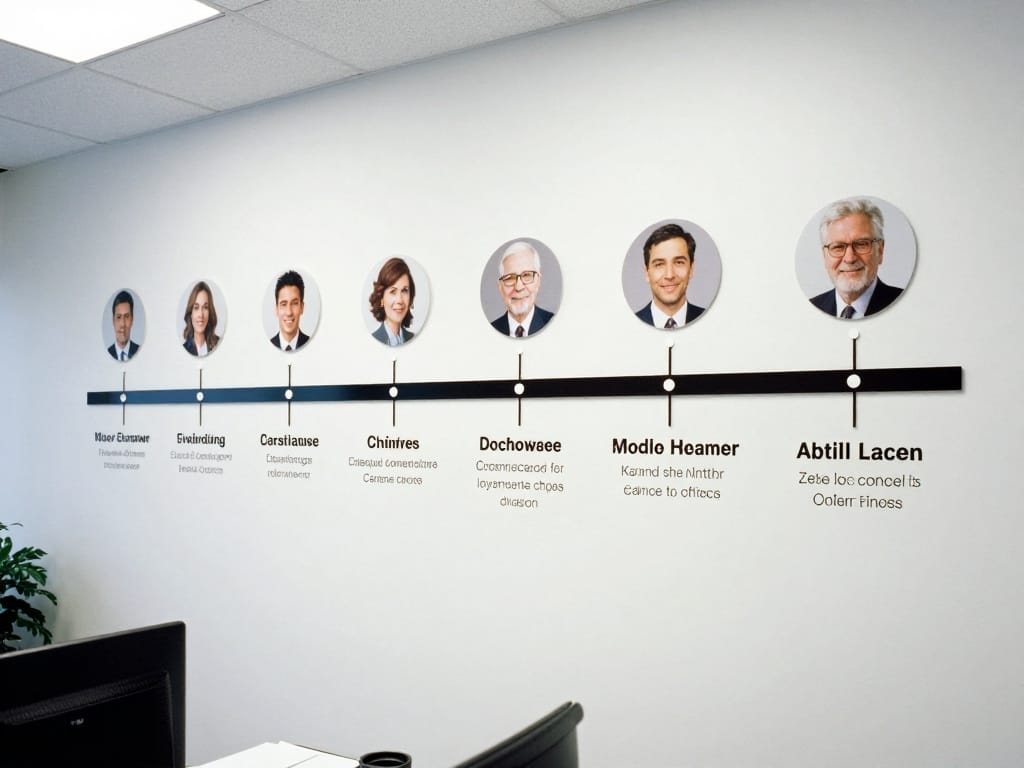

In corporate environments, employees often interpret tenure celebrations as formalized acknowledgments of their long-term commitment to an organization. These events typically mark significant milestones, such as 5, 10, 15, or 20 years of service, and can take various forms depending on the company's culture and resources. Common elements include award ceremonies, personalized gifts, public recognitions during company meetings, or even special perks like additional vacation days, bonuses, or engraved plaques. For larger companies with over 200 employees, these celebrations often integrate into broader employee engagement strategies, ensuring consistency and scalability across departments.
Employees view the significance of tenure celebrations as extending far beyond mere festivities; they see them as playing a crucial role in fostering their retention and boosting morale. In sizable organizations, where individual contributions might sometimes feel overlooked amid the scale of operations, these recognitions signal to employees that their dedication is valued and noticed. This sense of appreciation can enhance job satisfaction, leading to lower turnover rates. Research from HR studies indicates that companies with robust years-of-service programs experience up to 20% higher retention among long-term staff, as employees feel a stronger emotional connection to the workplace.
Key Facts on Employee Interpretation of Tenure Celebrations
Moreover, in companies exceeding 200 employees, employees interpret tenure celebrations as contributing to a positive organizational culture by promoting loyalty and motivation. They encourage newer hires to envision a long-term future with the company, while veteran employees gain renewed enthusiasm. For HR professionals, implementing these programs involves careful planning, such as budgeting for rewards and aligning them with company values. Effective celebrations not only honor past achievements but also reinforce team spirit, ultimately supporting business stability through a committed workforce. By prioritizing such initiatives, organizations can mitigate the costs associated with high employee churn, including recruitment and training expenses.
Ultimately, employees interpret tenure celebrations as more than symbolic gestures; they see them as strategic tools for maintaining high morale in large-scale corporate settings. When executed thoughtfully, they help build a resilient employee base, driving productivity and long-term success.
A question an HR professional in a company with more than 200 employees might ask:
How can we design a years of service recognition program that employees interpret positively?
To design an effective program, focus on personalization to make employees feel genuinely valued, ensure consistency across departments for fairness, and align rewards with company values to reinforce cultural fit. Additionally, collect feedback through surveys after celebrations to understand interpretations and refine future events, ultimately boosting morale, retention, and engagement in large organizations.
Employees often view tenure celebrations as more than mere formalities; they serve as pivotal moments that shape their overall perception of the workplace. When companies recognize years of service through awards, events, or personalized acknowledgments, employees frequently report a heightened sense of value. This recognition affirms their contributions, making them feel like integral parts of the organization rather than replaceable cogs in a machine. For instance, a milestone like a 10-year anniversary plaque or a special luncheon can evoke a profound appreciation, reinforcing that their dedication has not gone unnoticed.
Beyond feeling valued, these programs significantly bolster loyalty. Employees interpret such gestures as a reciprocal commitment from the employer, fostering a deeper emotional bond. In environments where turnover is high, acknowledging tenure can signal stability and trust, encouraging individuals to envision long-term careers within the company. This loyalty often translates into reduced attrition rates, as workers are more inclined to stay where their longevity is celebrated. HR professionals in larger organizations have noted that well-structured recognition initiatives can create a culture of allegiance, where employees advocate for the company both internally and externally.
Motivation is another key outcome derived from these programs. When service years are honored, it ignites a renewed drive to perform. Employees may experience a motivational surge, inspired to contribute more innovatively and productively. This boost stems from the psychological reward of being recognized, which aligns with intrinsic motivators like achievement and belonging. Studies in organizational behavior suggest that such acknowledgments can enhance job satisfaction and performance metrics, particularly in teams exceeding 200 members where individual efforts might otherwise feel diluted. However, the impact hinges on authenticity; generic recognitions can backfire, leading to cynicism. To maximize benefits, HR teams should tailor programs to reflect genuine appreciation, incorporating feedback to ensure they resonate personally.
Key Psychological Benefits
Ultimately, how employees interpret these celebrations influences broader organizational dynamics. Positive perceptions can lead to a virtuous cycle of engagement, where motivated, loyal workers drive company success. For HR leaders in sizable firms, investing in thoughtful tenure recognition isn't just about retention-it's about cultivating a thriving, committed workforce that propels long-term growth.
Overview of Key Interpretations
Employees often view tenure milestones as a strong affirmation of their commitment to the organization, seeing these celebrations as public recognition of their dedication over the years. This interpretation fosters a sense of belonging and reinforces their decision to stay with the company through various challenges. For many, it acts as a motivational boost, encouraging them to continue contributing their best efforts. However, this positive view can vary based on individual experiences and the company's culture. In supportive environments, such affirmations strengthen employee morale and loyalty.
Tenure celebrations are frequently interpreted as validation of an employee's loyalty, highlighting their long-term investment in the company's success. Workers may feel valued when their years of service are acknowledged, which can enhance their emotional connection to the workplace. This perception often leads to increased job satisfaction and a willingness to go above and beyond in their roles. On the flip side, if the celebration feels insincere, it might not resonate as genuine loyalty validation. Overall, effective programs ensure this interpretation aligns with positive outcomes for both employees and the organization.
Many employees interpret tenure milestones as personal achievement markers, celebrating not just time served but also professional growth and accomplishments. This view positions the celebration as a reflective moment to appreciate career progress within the company. It can inspire others by showcasing success stories and the benefits of perseverance. Yet, some may downplay it if they feel their contributions haven't been adequately recognized beyond mere longevity. Thoughtful HR strategies can amplify this interpretation to drive retention and engagement.
Potential misconceptions arise when employees interpret tenure celebrations as implicit promises of job security or automatic promotions, which may not align with company realities. This can lead to disappointment if expectations aren't met, such as assuming longer tenure guarantees certain benefits. HR professionals must communicate clearly to prevent such misunderstandings and ensure celebrations focus on appreciation rather than obligations. Addressing these misconceptions proactively helps maintain trust and realistic views of company policies. In larger organizations, tailored messaging can mitigate these issues effectively.
Employees might see tenure milestones as a motivational tool that signals the company's investment in their future, encouraging continued high performance. This interpretation can spark renewed enthusiasm and a sense of purpose in their daily work. However, if perceived as routine or obligatory, it may fail to inspire and instead highlight potential stagnation. Positive framing by HR can enhance this impact, turning celebrations into catalysts for ongoing development. Ultimately, understanding these views allows for more impactful recognition programs in sizable companies.
HR departments play a pivotal role in crafting years of service recognition programs that resonate positively with employees, ultimately shaping how tenure milestones are perceived. In companies with over 200 employees, where diverse workforces and complex organizational structures are common, a well-designed program can foster loyalty, boost morale, and reinforce a sense of belonging.
Helpful Facts about Employee Recognition
To begin, HR should start with thorough employee feedback mechanisms, such as surveys or focus groups, to understand what forms of recognition hold the most value. This data-driven approach ensures that programs are tailored to preferences, whether through personalized gifts, public acknowledgments, or experiential rewards like extra vacation days. For instance, incorporating options for customization-allowing employees to choose between a monetary bonus, a professional development opportunity, or a charitable donation in their name-can make celebrations feel more meaningful and less like a generic formality.
Implementation is equally critical. HR can integrate these programs into the broader company culture by aligning them with core values, such as innovation or teamwork. Regular communication via internal newsletters, town halls, or dedicated recognition platforms helps set expectations and highlights success stories, demonstrating the organization's genuine appreciation. To positively influence interpretations, transparency is key: clearly explain the criteria for milestones (e.g., 5, 10, or 20 years) and ensure inclusivity across all departments and demographics to avoid perceptions of favoritism.
Moreover, HR should incorporate metrics to evaluate program effectiveness. Post-recognition surveys can gauge how employees interpret these events-do they feel valued, or do they see them as obligatory? Analyzing retention rates and engagement scores post-milestones provides insights for iterative improvements. By partnering with leadership to champion these initiatives, HR can transform tenure celebrations from mere rituals into powerful tools for employee retention and satisfaction. Ultimately, a thoughtfully designed program not only honors longevity but also strengthens the employer-employee bond, contributing to a thriving workplace environment.
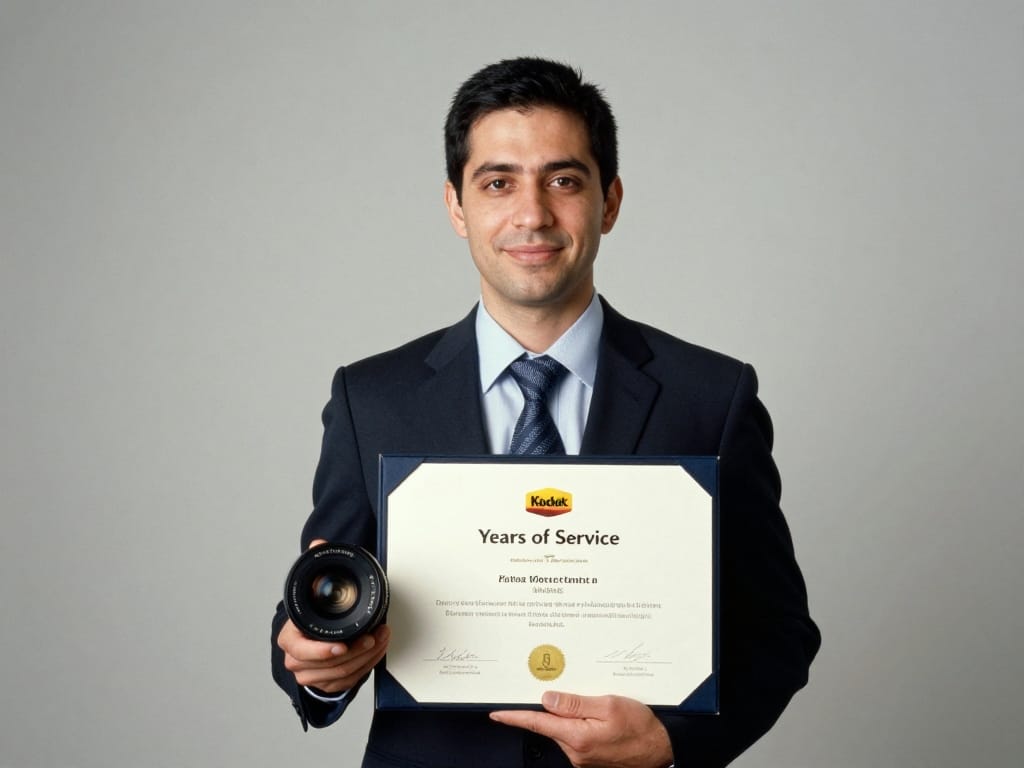
In large organizations, the way tenure celebrations are executed can significantly influence employee perceptions, either reinforcing loyalty or highlighting disconnects. Consider Google, a tech giant with over 180,000 employees, where milestone anniversaries are marked by personalized events like custom swag, shout-outs in company-wide meetings, and even surprise parties organized by peers. Employees often interpret these as genuine appreciation, fostering a sense of belonging and boosting retention. For instance, a 10-year veteran shared in an internal forum how the celebration made them feel integral to the company's innovative culture, interpreting it as validation of their contributions rather than a mere formality.
Similarly, at IBM, which employs more than 280,000 people globally, the Years of Service program includes tiered rewards such as engraved watches or travel vouchers for long-tenured staff. Success stories abound where employees view these as symbols of mutual commitment, enhancing motivation. A survey revealed that 75% of recipients felt more engaged post-celebration, interpreting the gestures as acknowledgment of their expertise and dedication.
Key Facts from Successful Programs
However, challenges arise when interpretations go awry. At a major retailer like Walmart, with over 2 million employees, standardized gift cards and plaques for service milestones have sometimes been seen as tokenistic. Employees in anonymous feedback have expressed that rushed, impersonal events made them feel undervalued, interpreting the celebrations as cost-cutting measures rather than heartfelt recognition. This led to a dip in morale, with some long-term staff feeling their loyalty was taken for granted.
Likewise, in the banking sector, Wells Fargo (over 240,000 employees) faced backlash when tenure events coincided with corporate scandals, causing employees to interpret them as hypocritical. What was intended as a morale booster was perceived as insincere, exacerbating turnover. These examples underscore the importance of authenticity; HR leaders in large firms must ensure celebrations align with company values to positively shape employee interpretations, ultimately strengthening years of service recognition programs.

To maximize the positive impact of tenure celebrations, HR professionals in larger organizations should prioritize authenticity and personalization. Begin by gathering insights from employees through surveys or focus groups to understand what forms of recognition resonate most. This data-driven approach ensures celebrations align with individual preferences, whether it's a public acknowledgment, a personalized gift, or additional time off.
Consistency is key to fostering a sense of genuine appreciation. Establish clear guidelines for tenure milestones-such as 5, 10, or 20 years-and apply them uniformly across the company. Involve direct managers and peers in the process; a handwritten note from a supervisor or a team shout-out can add a personal touch that elevates the experience beyond generic rewards. For instance, instead of standard plaques, consider experiences like professional development opportunities or contributions to a cause the employee cares about.
Common Tenure Milestones
Communication plays a pivotal role. Frame celebrations as sincere expressions of gratitude for the employee's contributions, linking them to the company's success. During events, highlight specific achievements and their impact, reinforcing that the recognition is earned and valued. To avoid perceptions of tokenism, integrate these celebrations into a broader culture of ongoing appreciation, such as regular feedback loops or spot recognitions.
Finally, measure the effectiveness of your program. Post-celebration surveys can reveal how employees interpret these gestures and identify areas for improvement. By refining based on feedback, HR can ensure tenure celebrations not only boost morale but also enhance retention and engagement in companies with over 200 employees. Implementing these recommendations transforms routine milestones into meaningful affirmations of loyalty and dedication.
Understanding how employees perceive and react to tenure celebrations is crucial for HR professionals in larger organizations aiming to enhance their years of service recognition programs. By implementing structured evaluation methods, companies can gather valuable insights that inform program improvements, ensuring these initiatives truly resonate with staff and contribute to higher engagement and retention rates.
One effective approach is deploying targeted surveys. These can be distributed shortly after a tenure milestone event, such as an anniversary lunch or award ceremony, to capture fresh impressions. Surveys should include a mix of quantitative questions, like rating satisfaction on a scale of 1 to 10, and qualitative ones, such as "What aspect of the celebration made you feel most valued?" or "How could we make this experience more meaningful?" To boost participation, keep surveys concise-aim for 5-10 questions-and offer anonymity to encourage honest responses. Tools like Google Forms or specialized HR software can facilitate easy administration and data analysis, allowing HR teams to identify trends, such as preferences for personalized gifts over generic plaques.
Beyond surveys, incorporating diverse feedback mechanisms adds depth to the evaluation process. For instance, post-celebration focus groups with a cross-section of employees can uncover nuanced interpretations, revealing if celebrations feel inclusive or if they inadvertently highlight inequities. One-on-one interviews with recent honorees provide personalized stories, while ongoing channels like suggestion boxes or dedicated email inboxes allow for continuous input. Integrating these with employee net promoter scores (eNPS) can quantify overall sentiment toward recognition efforts.
Key Metrics to Review
To refine programs based on this feedback, analyze data for common themes and actionable insights. If surveys indicate a desire for more peer involvement, consider incorporating colleague shout-outs in future events. Regularly reviewing metrics, such as participation rates or sentiment scores, helps track improvements over time. By iterating on these celebrations, HR can foster a culture where long-term commitment is genuinely appreciated, ultimately strengthening organizational loyalty in companies with over 200 employees.
Culture (KUL-chəə r) is a principle that encompasses the social actions, organizations, and norms located in human cultures, as well as the expertise, beliefs, arts, legislations, personalizeds, capacities, perspectives, and routines of the people in these groups. Society usually originates from or is credited to a particular region or place. Human beings acquire culture through the finding out procedures of enculturation and socializing, which is revealed by the diversity of societies across societies. A social standard orders acceptable conduct in culture; it functions as a standard for actions, gown, language, and demeanor in a scenario, which serves as a template for assumptions in a social group. Approving only a monoculture in a social team can bear dangers, equally as a solitary species can wither despite environmental change, for absence of functional actions to the modification. Therefore in army society, valiance is counted as a typical actions for a specific, and obligation, honor, and commitment to the social team are counted as merits or useful actions in the continuum of dispute. In religious beliefs, similar features can be identified in a social team. Cultural change, or repositioning, is the restoration of a cultural concept of a society. Societies are inside impacted by both forces motivating modification and forces resisting adjustment. Societies are on the surface influenced using contact in between societies. Organizations like UNESCO effort to preserve society and social heritage.
.Employee engagement is a basic concept in the initiative to comprehend and define, both qualitatively and quantitatively, the nature of the connection in between a company and its workers. An "engaged employee" is specified as one who is totally absorbed by and enthusiastic regarding their job and so takes positive activity to further the company's track record and interests. An engaged employee has a favorable mindset in the direction of the company and its values. In contrast, a disengaged employee might range from somebody doing the bare minimum at the workplace (aka 'coasting'), as much as an employee who is actively harming the firm's job result and credibility. An organization with "high" worker involvement could therefore be anticipated to exceed those with "low" worker engagement. Employee interaction initially looked like a principle in management theory in the 1990s, ending up being widespread in administration technique in the 2000s, yet it remains objected to. Despite academic reviews, staff member involvement practices are well established in the administration of personnels and of interior interactions. Worker involvement today has actually become associated with terms like 'em ployee experience' and 'em ployee complete satisfaction', although satisfaction is a different idea. Whereas engagement refers to work inspiration, satisfaction is a staff member's perspective about the work-- whether they like it or not. The relevance is a lot more as a result of the large majority of new generation experts in the labor force that have a greater tendency to be 'sidetracked' and 'disengaged' at the workplace. A recent study by StaffConnect suggests that an overwhelming number of business companies today (74. 24%) were preparing to boost employee experience in 2018.
.