
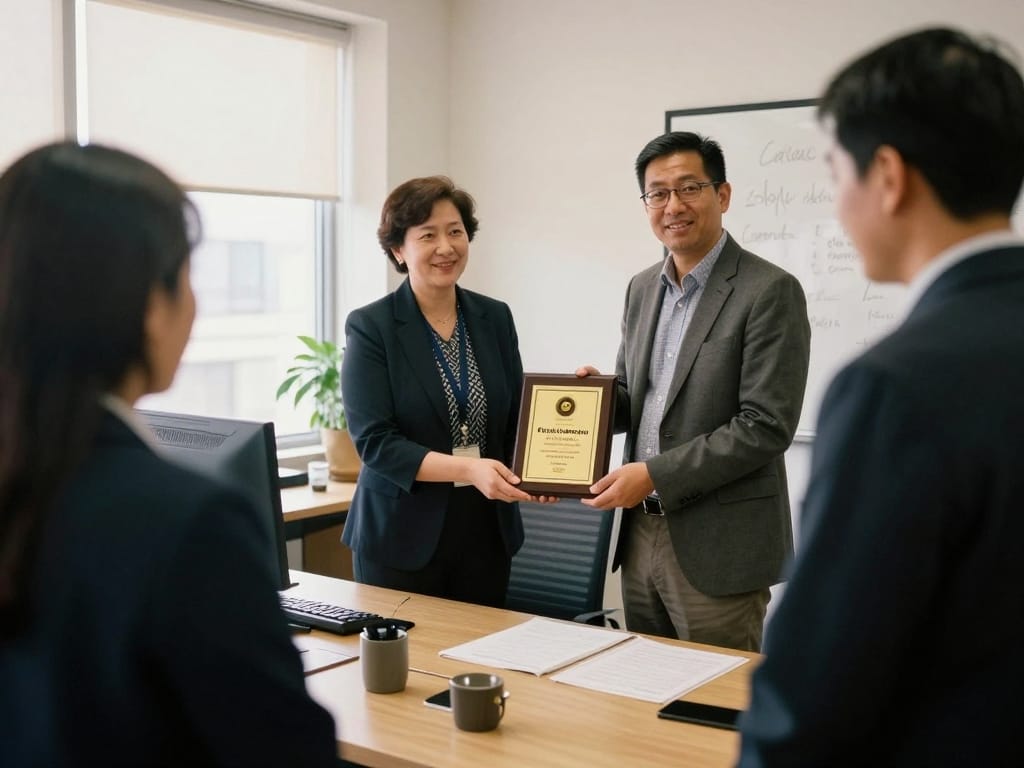
In the ever-evolving corporate landscape, long-term employee tenure stands as a cornerstone of organizational stability and success, particularly for companies employing over 200 individuals. As businesses navigate rapid technological advancements, economic fluctuations, and shifting workforce dynamics, retaining seasoned employees has become more critical than ever. Recent trends indicate a decline in average tenure across industries, with many workers prioritizing flexibility, work-life balance, and career mobility over lifelong commitments to a single employer. According to a 2023 report by the Bureau of Labor Statistics, the median employee tenure has hovered around 4.1 years, a stark contrast to the multi-decade careers of previous generations. This shift poses significant challenges for larger organizations, where institutional knowledge and expertise are vital for maintaining competitive edges and fostering innovation.
For companies with substantial workforces, the significance of long-term tenure extends beyond mere retention metrics. Employees with extended service histories contribute to:
Key Benefits of Long-Term Tenure
that new hires often cannot immediately replicate. In sectors like manufacturing, healthcare, and finance, where regulatory compliance and specialized skills are paramount, losing veteran staff can lead to costly disruptions, increased training expenses, and potential dips in productivity. Moreover, in an era marked by talent shortages and the Great Resignation's aftermath, organizations are grappling with the dual challenge of attracting fresh talent while nurturing loyalty among existing employees.
However, cultivating long careers isn't without hurdles. Larger companies often face bureaucratic inertia, limited advancement paths, and burnout risks that can erode employee commitment. The rise of remote work and gig economy alternatives further complicates retention efforts, as workers seek environments that align with personal values and professional growth. To counter these trends, forward-thinking HR leaders are exploring years of service recognition programs, which not only honor dedication but also reinforce organizational trust. By acknowledging milestones through personalized rewards, professional development opportunities, and inclusive celebrations, companies can signal that loyalty is valued, ultimately enhancing engagement and reducing turnover. In essence, prioritizing long-term tenure equips organizations to build resilient teams capable of weathering modern corporate storms, ensuring sustained growth and adaptability in a competitive marketplace.
In the context of fostering long careers within an organization, understanding organizational trust is essential. At its core, organizational trust refers to the confidence that employees and management have in each other's intentions, actions, and commitments. This trust forms the foundation for a stable, productive work environment where individuals feel valued and secure, encouraging them to commit to the company for the long haul. For HR professionals in larger companies, implementing years of service recognition programs can significantly bolster this trust, signaling to employees that their dedication is acknowledged and rewarded.
Key Components of Organizational Trust
One key component of organizational trust is reliability. This involves consistent behavior from both sides—management delivering on promises, such as fair compensation and career development opportunities, while employees fulfill their roles with dependability. When reliability is present, employees are more likely to envision a future with the organization, reducing turnover and promoting longevity in careers.
Another vital element is openness. This entails transparent communication, where information flows freely without hidden agendas. Management should share company goals, challenges, and feedback openly, fostering an atmosphere where employees feel informed and involved. In turn, employees are encouraged to voice concerns and ideas, creating a collaborative dynamic. For companies with over 200 employees, openness in recognition programs—such as publicly celebrating milestones—can enhance this trust, making long-term service feel meaningful and inclusive.
Mutual respect is equally crucial, representing the recognition of each party's worth and contributions. This respect manifests in treating employees as partners rather than subordinates, valuing their expertise and well-being. When mutual respect is embedded in the culture, it nurtures loyalty and job satisfaction, key drivers for extended tenures. By integrating these components into daily operations and recognition initiatives, organizations can cultivate a trusting environment that supports long careers, ultimately benefiting retention and overall performance.
Organizational trust forms the bedrock of long-term employee commitment, as it fosters a sense of security and mutual respect between workers and management. When employees perceive transparency in decision-making processes, they are more inclined to invest their careers in the company, reducing turnover intentions. Research from Gallup indicates that high-trust environments can boost employee engagement by up to 20%, directly correlating with extended tenure. This foundation of trust encourages open communication, which in turn supports personal growth and job satisfaction over years of service.
Trust influences retention by aligning employee values with organizational goals, making long-term stays more appealing. Employees in trusting workplaces report higher levels of job embeddedness, feeling integrated into the company culture and less likely to seek external opportunities. A study by the Society for Human Resource Management (SHRM) shows that companies with strong trust cultures experience 50% lower voluntary turnover rates. This dynamic not only stabilizes the workforce but also enhances productivity through sustained employee contributions over decades.
Extensive research highlights how trust directly impacts decisions to remain with an employer long-term, with surveys revealing that distrust leads to disengagement and eventual departure. For instance, a Harvard Business Review analysis found that employees in high-trust organizations are 76% more engaged and 29% more satisfied with their jobs. These insights underscore the role of trust in mitigating burnout and promoting career longevity. By addressing trust gaps, HR can implement strategies that support prolonged employee retention effectively.
Statistics demonstrate a clear link between trust levels and retention rates, with data from Deloitte showing that trusted leaders retain employees 2.5 times longer than those in low-trust settings. In companies with over 200 employees, retention rates can improve by 15-20% when trust-building initiatives are prioritized. This evidence is supported by longitudinal studies tracking career paths, where high trust correlates with average tenures exceeding 10 years. Such metrics guide HR in developing recognition programs that reinforce trust and loyalty.
The long-term benefits of trust include reduced recruitment costs and a more experienced workforce, as retained employees contribute institutional knowledge over extended periods. According to a McKinsey report, organizations with high trust see a 40% increase in employee loyalty, leading to better innovation and performance. These benefits manifest in lower absenteeism and higher morale, creating a virtuous cycle of retention. For HR professionals, leveraging trust through service recognition programs can sustain these advantages, ensuring organizational stability and growth.
Common Question from HR Professionals

In large organizations, cultivating long careers through a foundation of organizational trust yields significant advantages, particularly in knowledge retention, cost savings from reduced turnover, and the strengthening of company culture. When employees feel trusted and valued, they are more likely to commit to extended tenures, allowing companies to harness their accumulated expertise over time.
One key benefit is knowledge retention. In enterprises with over 200 employees, seasoned workers possess invaluable institutional knowledge that can't be easily replicated. This includes nuanced understanding of processes, client relationships, and historical context that informs strategic decisions. By fostering trust through transparent communication, fair policies, and recognition of contributions, organizations encourage these employees to stay, reducing the risk of knowledge loss during transitions. For instance, implementing years of service recognition programs not only honors longevity but also signals to staff that their dedication is appreciated, motivating them to share insights and mentor newer team members. This continuity enhances innovation and operational efficiency, as teams build on established foundations rather than starting from scratch.
Examples of Years of Service Recognition Programs
Equally important are the reduced turnover costs. High employee churn in large firms can lead to substantial expenses in recruitment, onboarding, and training. Trust-building initiatives, such as career development opportunities and supportive leadership, lower voluntary exits, saving resources that can be redirected toward growth initiatives. Studies show that organizations with strong trust cultures experience turnover rates up to 50% lower, translating to millions in preserved capital for big companies.
Furthermore, long careers bolster company culture. A workforce with many long-term employees fosters a sense of stability and loyalty, creating an environment where collaboration thrives. This positive culture attracts top talent and improves overall morale, as newer hires see pathways for their own long-term success. In essence, by prioritizing trust and recognizing years of service, large organizations not only retain talent but also build a resilient, cohesive culture that drives sustained performance.
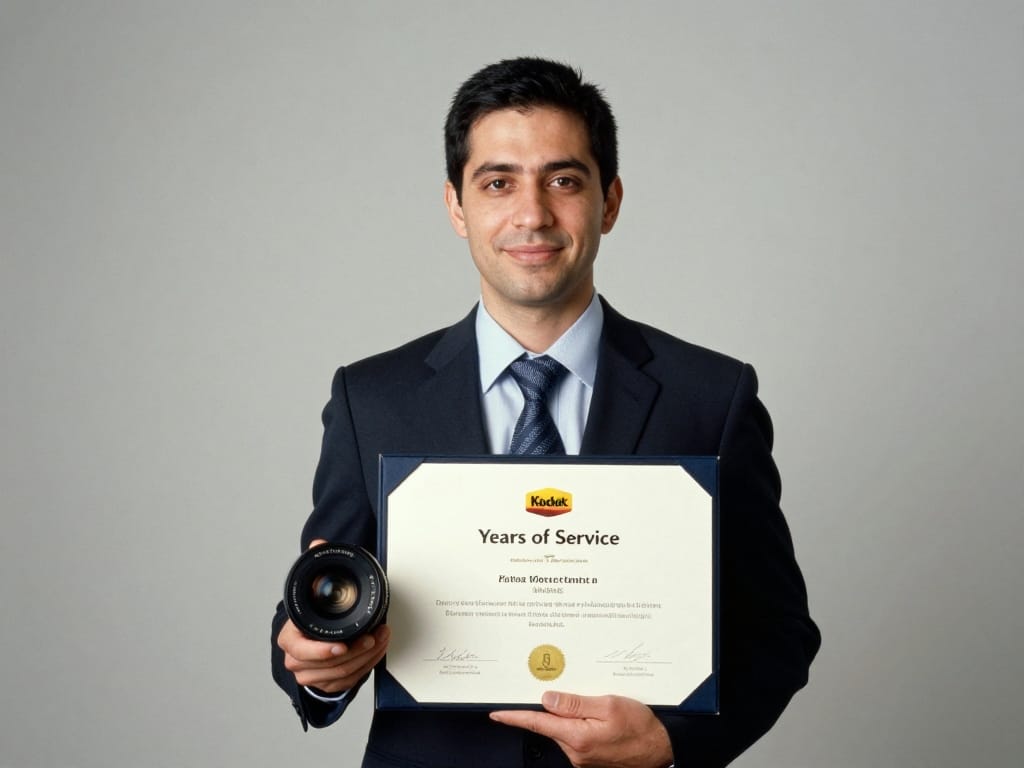
Recognition initiatives are pivotal in fostering organizational trust, particularly through years of service programs that honor long-term commitment. For HR leaders in larger companies, designing these programs requires a strategic approach that emphasizes structure, meaningful rewards, and alignment with core values to enhance employee loyalty and morale.
Key Facts on Recognition Programs
Begin with program structures that are clear and inclusive. Implement tiered milestones, such as celebrating 5, 10, 15, and 20+ years of service, to create anticipation and progression. Opt for hybrid formats combining virtual and in-person events, like annual galas or departmental shout-outs, ensuring accessibility for remote or diverse workforces. Transparency in criteria—basing recognition solely on tenure—builds fairness and trust, avoiding perceptions of favoritism. Incorporate feedback mechanisms, such as surveys, to refine the program iteratively, demonstrating that employee input is valued.
Rewards should be thoughtful and varied to resonate personally. Tangible options include customized gifts, such as engraved watches or experiential vouchers for travel, scaled by milestone. Intangible rewards, like additional paid time off or professional development opportunities, signal investment in employees' growth. Monetary bonuses or stock options can provide financial security, reinforcing trust in the organization's stability. Personalization, such as allowing employees to choose their rewards, adds a layer of appreciation, making recognition feel genuine rather than generic.
Integration with company values is essential for authenticity. Align initiatives with principles like innovation, integrity, or community by tying rewards to value-driven themes—for instance, donating to a charity in the employee's name if social responsibility is a core tenet. Communicate how these programs embody the company's ethos through storytelling in newsletters or town halls, linking long careers to shared success. This alignment not only builds trust but also cultivates a culture where employees feel their contributions are integral to the organization's identity. By prioritizing these elements, recognition initiatives become powerful tools for sustaining long-term engagement and trust.
In the realm of fostering long careers within organizations, building and nurturing trust is paramount for HR professionals, especially in companies with over 200 employees where years of service recognition programs play a crucial role in retention. Trust acts as the bedrock that encourages employees to commit to extended tenures, and practical approaches can significantly enhance this foundation.
Key Facts on Organizational Trust
One effective strategy begins with transparent communication. HR leaders should prioritize open dialogues about company goals, changes, and performance expectations. For instance, implementing regular town hall meetings or anonymous feedback channels allows employees to voice concerns and feel heard. This transparency reduces uncertainty and builds credibility, directly contributing to a culture where long-term employees feel valued. In larger organizations, where bureaucracy can obscure information, such practices ensure that recognition for years of service isn't just ceremonial but rooted in genuine appreciation.
Equally important are fair policies that promote equity and consistency. HR can cultivate trust by developing and enforcing guidelines on promotions, compensation, and conflict resolution that are applied uniformly across the board. Conducting audits to identify and eliminate biases in these policies reassures employees that their contributions are judged fairly, regardless of tenure or background. For those nearing milestone service awards, fair policies reinforce the message that loyalty is rewarded equitably, motivating others to aspire to similar longevity.
Employee engagement activities further solidify trust by fostering a sense of community and belonging. Organizing team-building events, mentorship programs, or volunteer initiatives can bridge gaps between departments and generations. Tying these to years of service recognition-such as spotlighting long-term employees in company newsletters or involving them in planning sessions-highlights their expertise and integrates them into the organizational fabric. In companies with substantial workforces, these activities scale effectively through digital platforms, ensuring inclusivity.
By integrating these approaches, HR professionals not only elevate trust levels but also enhance the effectiveness of recognition programs, ultimately leading to higher retention rates and a workforce committed to long careers. The result is a resilient organization where trust translates into sustained productivity and innovation.
In large enterprises, fostering long careers through years of service recognition programs is essential for building organizational trust. However, implementing these initiatives often encounters significant hurdles, such as budget constraints and cultural resistance. Addressing these obstacles strategically can lead to more effective programs that enhance employee loyalty and retention.
Key Facts on Recognition Programs
Budget constraints are a primary challenge, particularly in organizations with over 200 employees where scaling recognition efforts can strain financial resources. Large enterprises may face competing priorities, like technology investments or operational expansions, making it difficult to allocate funds for non-essential programs. To overcome this, HR leaders can adopt a phased implementation approach. Start with cost-effective digital recognition platforms that automate awards and milestones, reducing administrative overhead. Demonstrating return on investment (ROI) is crucial; track metrics such as reduced turnover rates and improved employee engagement scores to justify budgets. For instance, partnering with vendors offering subscription-based models allows for predictable costing, while integrating recognition into existing HR systems minimizes additional expenses. By aligning the program with broader business goals, such as talent retention amid talent shortages, executives are more likely to approve funding.
Cultural resistance poses another formidable barrier, especially in diverse, multinational enterprises where traditional hierarchies or skepticism toward "soft" initiatives may prevail. Employees and managers might view recognition programs as superficial or inconsistent with performance-driven cultures. Tailored solutions include robust change management strategies. Begin with leadership endorsement; involve C-suite executives in program design to model buy-in from the top. Conduct organization-wide surveys to customize recognitions that resonate with various departments and demographics, ensuring inclusivity. Pilot programs in select divisions can generate success stories, building momentum and addressing doubts through evidence. Training sessions for managers on the value of trust-building through recognition can shift mindsets, emphasizing how acknowledging long service fosters a sense of belonging and loyalty.
By proactively tackling these obstacles, large enterprises can create sustainable recognition programs that not only honor long careers but also strengthen organizational trust. This leads to a more committed workforce, ultimately driving productivity and innovation in competitive markets.
Common Question: How can we measure the success of a years of service recognition program in a company with more than 200 employees?
Answer: Success can be measured using key metrics like employee retention rates, engagement survey scores, voluntary turnover reductions, and qualitative feedback from participants. For example, compare pre- and post-program data to quantify improvements in loyalty and trust, and calculate ROI by weighing program costs against savings from lower turnover.
Staff member involvement is a basic concept in the effort to understand and describe, both qualitatively and quantitatively, the nature of the partnership between a company and its staff members. An "involved staff member" is specified as one that is totally taken in by and enthusiastic concerning their work and so takes favorable activity to further the company's online reputation and passions. An engaged staff member has a positive mindset towards the organization and its values. In contrast, a disengaged employee may range from somebody doing the bare minimum at work (also known as 'coasting'), up to an employee who is actively harming the business's work result and credibility. An organization with "high" employee interaction may as a result be expected to outperform those with "low" employee engagement. Employee engagement first looked like a principle in monitoring theory in the 1990s, ending up being prevalent in management technique in the 2000s, yet it continues to be objected to. Despite scholastic critiques, worker interaction practices are well established in the monitoring of human resources and of inner interactions. Staff member involvement today has come to be associated with terms like 'em ployee experience' and 'em ployee complete satisfaction', although fulfillment is a different concept. Whereas engagement refers to work motivation, complete satisfaction is a worker's perspective about the task-- whether they like it or not. The significance is a lot more as a result of the huge bulk of new generation professionals in the labor force that have a higher propensity to be 'sidetracked' and 'disengaged' at work. A recent survey by StaffConnect recommends that a frustrating number of venture organizations today (74. 24%) were preparing to boost employee experience in 2018.
.Employee retention is the ability of an organization to retain its employees and ensure sustainability. Employee retention can be represented by a simple statistic (for example, a retention rate of 80% usually indicates that an organization kept 80% of its employees in a given period). Employee retention is also the strategies employers use to try to retain the employees in their workforce.
In a business setting, the goal of employers is usually to decrease employee turnover, thereby decreasing training costs, recruitment costs and loss of talent and of organisational knowledge. Some employers seek "positive turnover" whereby they aim to maintain only those employees whom they consider to be high performers.
Studies have shown that cost related to directly replacing an employee can be as high as 50–60% of the employee's annual salary, but the total cost of turnover can reach as high as 90–200% of the employee's annual salary.[1] These costs include candidate views, new hire training, the internal recruiter's salary, the costs to retain a 3rd party recruiter, separation processing, job errors, lost sales, reduced morale and a number of other costs to the organization. Turnover also affects organizational performance. High-turnover industries such as retailing, food services, call centres, elder-care nurses, and salespeople make up almost a quarter of the United States population. Replacing workers in these industries is less expensive than in other, more stable, employment fields but costs can still reach over $500 per employee.[2] As of November 2022, Gallup found that 49% of U.S. employees were watching for or actively seeking a new job.[3]
An alternative motivation theory to Maslow's hierarchy of needs is the motivator-hygiene (Herzberg's) theory. While Maslow's hierarchy implies the addition or removal of the same need stimuli will enhance or detract from the employee's satisfaction, Herzberg's findings indicate that factors garnering job satisfaction are separate from factors leading to poor job satisfaction and employee turnover. Herzberg's system of needs is segmented into motivators and hygiene factors. Hygiene factors include expected conditions that if missing will create dissatisfaction. Examples of hygiene factors include bathrooms, lighting, and the appropriate tools for a given job. Employers must utilize positive reinforcement methods while maintaining expected hygiene factors to maximize employee satisfaction and retention.[4]
Flexible work arrangements (FWAs) involve adapting an organization's work system to become more flexible, which may include adjusting how tasks are distributed among employees or allowing staff to set their own working hours and location. Although FWAs existed before the COVID-19 pandemic, the use of FWAs surged during the pandemic. According to a 2023 OECD report, almost all public sector organizations in OECD countries implemented flexible working arrangements, at least in the form of part-time work and flextime.[5]
FWAs were found to have a positive impact on employee retention and also organizational productivity in a 2022 study.[6]
FWAs increase flexibility in when, where, and sometimes how employees work. As a result, employees with higher autonomy tend to value their jobs more, experience greater happiness and job satisfaction, and are more likely to stay with their employer.[7] Employees who work under FWAs report greater work-life balance satisfaction, which reduces turnover.[8]
FWAs can sometimes negatively impact employee retention.[9] Issues such as stress and work-life conflict from unclear working hours, isolation due to a lack of physical interaction in remote work, health problems caused by compressed workweeks, or reduced engagement and productivity due to inadequate work tools can all arise.
A large-scale field experiment by Bloom, Han, and Liang (2024) found that employees offered a hybrid schedule—three days in the office and two days at home—were 35 percent less likely to quit over a two-year period than those required to work on-site full-time.[10]
In September 2024 the New Zealand Government issued updated guidance for public service agencies stating that working from home "is not an entitlement" and must be mutually agreed between employer and employee. The guidance requires that remote arrangements "must not compromise employee performance or the objectives of the agency," and directs agencies to monitor and report the number and type of agreements to the Public Service Commission, which will publish the data for transparency.[11]
Equity considerations further complicate retention outcomes. Hybrid policies can inadvertently favor employees with suitable home office environments and high-speed internet, while disadvantaging those in small or shared living spaces. Research also shows gendered effects: hybrid work can help retain women with caregiving responsibilities, yet some women report slower advancement when working remotely more frequently than male colleagues.[12]
To maximize the retention advantages of remote and hybrid models, a report from McKinsey recommend clear performance metrics, regular virtual check-ins, and intentional efforts to maintain organizational culture. [13]
Artificial Intelligence (AI) tools have been used to analyze employee performance metrics to attempt to identify patterns that may indicate potential turnover.[14][15]
HR analytics has been used to identify the root causes of employee attrition.[16][17]
Diversity, equity, and inclusion (DEI) initiatives are designed to promote equity, combat discrimination, and provide support for diverse employee needs. Research conducted by Ashikali and Groeneveld in 2015 established that the positive effect of diversity management on employee commitment is often mediated by the inclusiveness of the organizational culture and the role of transformational leadership.[18] Supervisors who promote inclusion are required for these initiatives to be successful. Trochmann, Stewart, and Ragusa (2023) found that positive perceptions of diversity and inclusion were significantly associated with higher levels of job satisfaction and overall workplace happiness in racially diverse agencies.[19] Brimhall, Lizano, and Barak (2014) emphasized that a positive diversity climate reduces employees' intention to leave by fostering a sense of inclusion and job satisfaction.[20]
Ritz and Alfes (2018) showed that in multilingual public administrations, employees' attachment to their jobs increased when their supervisors actively supported diversity and fostered an inclusive environment.[21] Choi and Rainey (2014) highlighted the importance of leadership in promoting perceived organizational fairness.[22]
cite journal: CS1 maint: multiple names: authors list (link)cite journal: CS1 maint: DOI inactive as of September 2025 (link)