

In large organizations with over 200 employees, fostering long-term employee tenure is a cornerstone of achieving enduring company stability. When employees commit to a company for years, they accumulate invaluable institutional knowledge that becomes the bedrock of operational efficiency. This deep-rooted expertise allows teams to navigate challenges with greater agility, reducing the disruptions caused by frequent turnover. For instance, seasoned staff can mentor newcomers, preserving cultural continuity and ensuring that best practices are passed down seamlessly. This not only minimizes training costs but also enhances productivity, as long-term employees often develop innovative solutions tailored to the company's unique needs.
From an HR perspective, prioritizing employee retention through ongoing appreciation is crucial. High turnover rates in expansive organizations can lead to significant financial burdens, including recruitment expenses, lost productivity during onboarding, and the potential erosion of team morale. By contrast, employees who feel valued for their years of service are more likely to remain loyal, contributing to a stable workforce that supports strategic goals. Recognition programs that celebrate milestones-such as anniversaries or cumulative contributions-play a pivotal role here. These initiatives signal to employees that their dedication is noticed and rewarded, fostering a sense of belonging and purpose.
Moreover, in competitive industries, a stable employee base provides a strategic advantage. It enables consistent customer relationships, reliable project execution, and a resilient organizational culture that withstands market fluctuations. HR leaders in large firms must recognize that investing in tenure-building strategies, like personalized appreciation efforts, directly correlates with reduced absenteeism and higher engagement levels. Ultimately, by cultivating long-term tenure, companies build a foundation of stability that drives sustained growth and adaptability, ensuring they thrive in an ever-evolving business landscape.
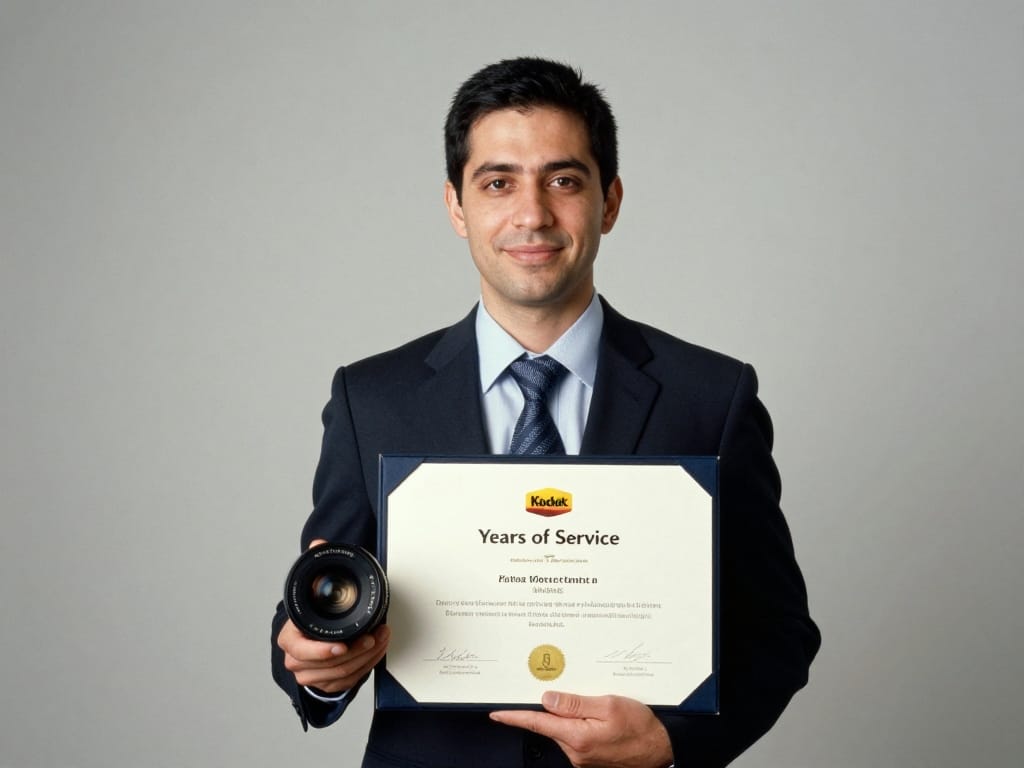
Years of service recognition is a cornerstone of employee appreciation strategies, designed to honor the dedication and loyalty of long-term team members. At its core, this practice involves acknowledging employees who reach significant milestones in their tenure, such as 5, 10, 15, or 20 years with the organization. Traditionally, these programs offered tangible rewards like engraved watches, plaques, or certificates, symbolizing gratitude for an employee's commitment and contributions over time. The primary goal is to foster a sense of belonging and stability, reinforcing that the company values not just performance but also endurance and institutional knowledge.
In modern workplaces, years of service recognition has evolved significantly to align with changing employee expectations and organizational dynamics. Gone are the days of one-size-fits-all gifts; today's programs emphasize personalization and meaningful experiences. For instance, companies now offer a variety of personalized options. This shift reflects a broader understanding that recognition should resonate on a personal level, enhancing emotional connections and job satisfaction.
Modern Recognition Examples
The evolution is also driven by technology and data analytics. HR teams in larger organizations-those with over 200 employees-leverage digital platforms to track milestones automatically and deliver timely, tailored recognitions. Integration with employee engagement tools allows for peer-to-peer shoutouts and virtual celebrations, making the process more inclusive and immediate. Moreover, there's a growing focus on tying these programs to overall retention strategies, recognizing that ongoing appreciation builds stability. By evolving from static awards to dynamic, employee-centric initiatives, years of service recognition helps mitigate turnover, boosts morale, and cultivates a culture of loyalty. This progression underscores how such programs are not just about marking time but about nurturing long-term growth and mutual appreciation in the workplace.
As workplaces continue to adapt to hybrid models and diverse generational needs, these programs are incorporating flexibility, such as recognizing non-traditional career paths or remote contributions. Ultimately, effective years of service recognition evolves to mirror the company's values, ensuring that employees feel seen and valued throughout their journey.
FAQ
Q: How can technology be used to enhance years of service recognition programs in large companies?
A: Technology can automate milestone tracking through HR platforms, enable personalized notifications, facilitate virtual celebrations, and integrate with employee engagement tools to allow peer recognitions, making the program more efficient and inclusive for companies with over 200 employees.
Key Facts on Employee Recognition
Continuous recognition plays a pivotal role in cultivating loyalty by making staff feel valued for their contributions over time. This ongoing appreciation creates a sense of belonging, encouraging employees to invest emotionally in the organization's success. For instance, regular acknowledgments through years of service programs reinforce long-term commitment, reducing the likelihood of seeking opportunities elsewhere. As a result, loyalty strengthens team dynamics and fosters a stable workforce environment. Ultimately, this leads to a more cohesive company culture where employees are motivated to go above and beyond.
Continuous recognition significantly reduces turnover by addressing one of the primary reasons employees leave: feeling underappreciated. Implementing structured appreciation initiatives, such as milestone awards, helps retain talent by boosting job satisfaction. Employees who receive consistent feedback and rewards are less inclined to explore external job markets, leading to lower recruitment costs and knowledge retention. This stability allows companies to maintain operational efficiency without the disruptions caused by frequent staff changes. Over time, reduced turnover contributes to a more experienced and reliable team.
Ongoing appreciation enhances productivity by motivating employees to perform at their best consistently. When workers receive regular recognition, it ignites intrinsic motivation, leading to higher output and innovation. For example, personalized acknowledgments for years of service can inspire individuals to tackle challenges with renewed vigor, improving overall team performance. This positive reinforcement cycle not only elevates individual efficiency but also promotes collaborative efforts across departments. In the long run, such practices result in measurable gains in business outcomes and employee engagement.
Effective retention strategies often hinge on continuous recognition to keep skilled professionals engaged and committed. By highlighting achievements through ongoing programs, businesses can mitigate the risks of high turnover rates that plague expansive operations. These strategies involve timely and meaningful appreciations that resonate with employees' career milestones, fostering a supportive atmosphere. Consequently, retention improves as staff perceive their growth aligned with the company's goals. This approach not only saves on hiring expenses but also preserves institutional knowledge essential for sustained success.
Boosting employee engagement through continuous recognition is crucial for productivity and loyalty. Such practices ensure that workers feel seen and appreciated, which directly correlates with increased discretionary effort and reduced absenteeism. In expansive corporate settings, tailored appreciation programs can transform passive employees into active contributors, enhancing overall morale. This heightened engagement leads to innovative problem-solving and a proactive workforce culture. Over years, it solidifies a foundation where loyalty and productivity thrive hand in hand.
In large organizations with over 200 employees, implementing effective recognition initiatives requires a structured approach to ensure scalability and impact. For HR professionals focusing on years of service programs, the key is to blend customization with efficiency. Start by conducting a comprehensive needs assessment. Survey employees across departments to understand what forms of appreciation resonate most-whether it's personalized awards, public acknowledgments, or experiential rewards like extra vacation days. Analyze tenure data to identify milestones that align with company values, such as 5, 10, or 20 years of service.
Common Milestone Examples
Next, design the initiative with scalability in mind. Develop a tiered recognition framework that accommodates diverse workforce segments. For instance, in a multinational company, incorporate culturally sensitive elements to make the program inclusive. Leverage technology, such as HR software platforms, to automate tracking of service anniversaries and notification processes. This reduces administrative burden and ensures timely recognitions. Collaborate with department heads to integrate the program into existing performance management systems, fostering a culture of ongoing appreciation rather than one-off events.
Rolling out the initiative demands clear communication and training. Launch with a company-wide announcement, perhaps via town halls or internal newsletters, emphasizing how recognition contributes to stability and retention. Train managers on delivering meaningful recognitions, providing them with toolkits including templates for certificates or speeches. Pilot the program in one division to gather feedback and refine before full deployment.
To sustain momentum, establish metrics for success, such as employee satisfaction scores, retention rates, and participation levels. Regularly review and iterate based on data-adjust rewards to keep them fresh and relevant. By embedding these steps, HR can create recognition initiatives that not only honor longevity but also build a stable, motivated workforce, ultimately driving organizational growth.
FAQ Section
What are some effective metrics to measure the success of a years of service recognition program?
Effective metrics include employee satisfaction scores from surveys, retention rates among long-term employees, and program participation levels. Tracking these over time allows HR to evaluate impact and make data-driven improvements to enhance stability and engagement in companies with over 200 employees.
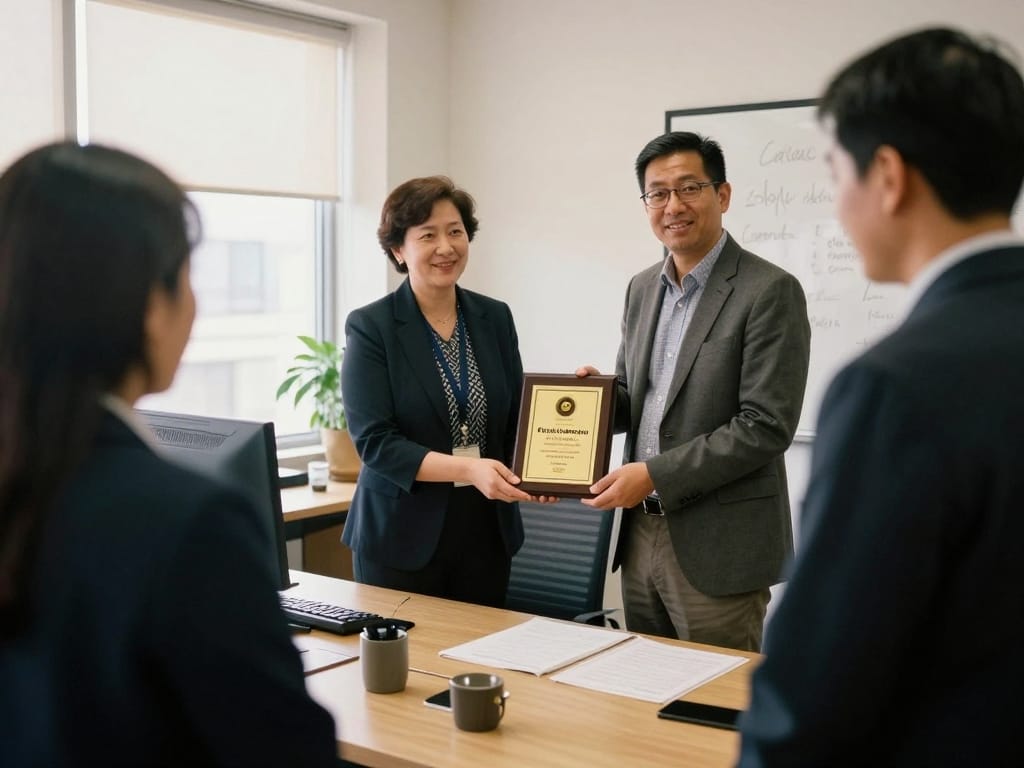
Implementing a years of service recognition program can significantly enhance employee stability and loyalty, but it's not without its hurdles. Two common obstacles-budget constraints and cultural integration-often stand in the way, yet they can be effectively managed with strategic, professional approaches.
Budget constraints are a frequent concern for HR teams in larger organizations. With limited resources, funding elaborate recognition initiatives might seem daunting. However, creative solutions abound. Start by prioritizing cost-effective options such as digital badges, personalized e-certificates, or virtual shout-outs on internal platforms. These require minimal investment but deliver high impact. For instance, partnering with affordable vendors for bulk-purchased items like branded merchandise can spread costs over time. Additionally, leveraging employee-nominated awards reduces the need for expensive external consultants. Conduct a thorough ROI analysis to demonstrate how recognition programs reduce turnover costs-often saving thousands per retained employee.
Key Facts on Recognition Program ROI
By phasing in the program, starting small with pilot groups, companies can scale up as benefits become evident, ensuring fiscal responsibility while fostering appreciation.
Cultural integration poses another challenge, especially in diverse, multinational teams where values and traditions vary. A one-size-fits-all approach risks alienating employees if it doesn't align with the company's ethos or regional norms. To overcome this, begin with a cultural audit: survey employees to understand what forms of recognition resonate most. Involve cross-functional teams in program design to ensure inclusivity. For example, incorporate local customs into milestone celebrations, such as virtual global events that honor diverse holidays. Provide training for managers on culturally sensitive appreciation techniques, emphasizing empathy and personalization. Tools like AI-driven platforms can tailor recognitions based on individual preferences, bridging cultural gaps. By embedding the program into the core company values-through storytelling in newsletters or integration with performance reviews-it becomes a natural extension of the organizational culture.
Addressing these obstacles proactively not only smooths implementation but also amplifies the program's effectiveness. When employees feel genuinely valued, regardless of budget or cultural differences, stability flourishes through increased engagement and retention. Ultimately, these solutions transform potential roadblocks into opportunities for deeper, more meaningful appreciation.
To ensure that recognition programs truly contribute to organizational stability, it's essential to measure their effectiveness systematically. By tracking key metrics, HR leaders in larger companies can quantify the impact of initiatives like years of service awards on employee loyalty and overall workplace harmony.
Key Metrics for Measuring Recognition Impact
One primary method is monitoring retention rates. Calculate the percentage of employees who remain with the company over specific periods, such as annually or after milestone recognitions. For instance, compare retention before and after implementing a robust appreciation program. A noticeable decrease in voluntary turnover-especially among long-tenured staff-indicates success. In companies with over 200 employees, where talent retention is critical, this metric can reveal how personalized recognitions foster a sense of belonging, reducing the likelihood of key personnel seeking opportunities elsewhere.
Employee satisfaction surveys provide another vital evaluation tool. Deploy regular, anonymous questionnaires to gauge sentiment around recognition efforts. Include questions like "Do you feel valued for your contributions?" or "Has the years of service program motivated you to stay longer?" Use Likert scales for quantitative data and open-ended sections for qualitative insights. Analyze trends over time; an upward trajectory in satisfaction scores often correlates with stronger employee commitment. Tools like Net Promoter Scores (NPS) can further refine this, measuring how likely employees are to recommend the company as a great place to work.
Beyond these, consider complementary metrics such as engagement levels from performance reviews or absenteeism rates. For example, lower absenteeism might signal higher morale boosted by ongoing appreciation. To implement effectively, establish baselines prior to program rollout, set clear KPIs, and review data quarterly. This data-driven approach not only validates the program's ROI-potentially saving on recruitment costs-but also allows for iterative improvements, like tailoring recognitions to diverse workforce needs.
Ultimately, these evaluation methods empower HR teams to demonstrate how consistent appreciation builds a stable, resilient organization. By linking metrics to business outcomes, companies can sustain a culture where employees feel invested in long-term success, driving productivity and innovation.
Employee retention is the ability of an organization to retain its employees and ensure sustainability. Employee retention can be represented by a simple statistic (for example, a retention rate of 80% usually indicates that an organization kept 80% of its employees in a given period). Employee retention is also the strategies employers use to try to retain the employees in their workforce.
In a business setting, the goal of employers is usually to decrease employee turnover, thereby decreasing training costs, recruitment costs and loss of talent and of organisational knowledge. Some employers seek "positive turnover" whereby they aim to maintain only those employees whom they consider to be high performers.
Studies have shown that cost related to directly replacing an employee can be as high as 50–60% of the employee's annual salary, but the total cost of turnover can reach as high as 90–200% of the employee's annual salary.[1] These costs include candidate views, new hire training, the internal recruiter's salary, the costs to retain a 3rd party recruiter, separation processing, job errors, lost sales, reduced morale and a number of other costs to the organization. Turnover also affects organizational performance. High-turnover industries such as retailing, food services, call centres, elder-care nurses, and salespeople make up almost a quarter of the United States population. Replacing workers in these industries is less expensive than in other, more stable, employment fields but costs can still reach over $500 per employee.[2] As of November 2022, Gallup found that 49% of U.S. employees were watching for or actively seeking a new job.[3]
An alternative motivation theory to Maslow's hierarchy of needs is the motivator-hygiene (Herzberg's) theory. While Maslow's hierarchy implies the addition or removal of the same need stimuli will enhance or detract from the employee's satisfaction, Herzberg's findings indicate that factors garnering job satisfaction are separate from factors leading to poor job satisfaction and employee turnover. Herzberg's system of needs is segmented into motivators and hygiene factors. Hygiene factors include expected conditions that if missing will create dissatisfaction. Examples of hygiene factors include bathrooms, lighting, and the appropriate tools for a given job. Employers must utilize positive reinforcement methods while maintaining expected hygiene factors to maximize employee satisfaction and retention.[4]
Flexible work arrangements (FWAs) involve adapting an organization's work system to become more flexible, which may include adjusting how tasks are distributed among employees or allowing staff to set their own working hours and location. Although FWAs existed before the COVID-19 pandemic, the use of FWAs surged during the pandemic. According to a 2023 OECD report, almost all public sector organizations in OECD countries implemented flexible working arrangements, at least in the form of part-time work and flextime.[5]
FWAs were found to have a positive impact on employee retention and also organizational productivity in a 2022 study.[6]
FWAs increase flexibility in when, where, and sometimes how employees work. As a result, employees with higher autonomy tend to value their jobs more, experience greater happiness and job satisfaction, and are more likely to stay with their employer.[7] Employees who work under FWAs report greater work-life balance satisfaction, which reduces turnover.[8]
FWAs can sometimes negatively impact employee retention.[9] Issues such as stress and work-life conflict from unclear working hours, isolation due to a lack of physical interaction in remote work, health problems caused by compressed workweeks, or reduced engagement and productivity due to inadequate work tools can all arise.
A large-scale field experiment by Bloom, Han, and Liang (2024) found that employees offered a hybrid schedule—three days in the office and two days at home—were 35 percent less likely to quit over a two-year period than those required to work on-site full-time.[10]
In September 2024 the New Zealand Government issued updated guidance for public service agencies stating that working from home "is not an entitlement" and must be mutually agreed between employer and employee. The guidance requires that remote arrangements "must not compromise employee performance or the objectives of the agency," and directs agencies to monitor and report the number and type of agreements to the Public Service Commission, which will publish the data for transparency.[11]
Equity considerations further complicate retention outcomes. Hybrid policies can inadvertently favor employees with suitable home office environments and high-speed internet, while disadvantaging those in small or shared living spaces. Research also shows gendered effects: hybrid work can help retain women with caregiving responsibilities, yet some women report slower advancement when working remotely more frequently than male colleagues.[12]
To maximize the retention advantages of remote and hybrid models, a report from McKinsey recommend clear performance metrics, regular virtual check-ins, and intentional efforts to maintain organizational culture. [13]
Artificial Intelligence (AI) tools have been used to analyze employee performance metrics to attempt to identify patterns that may indicate potential turnover.[14][15]
HR analytics has been used to identify the root causes of employee attrition.[16][17]
Diversity, equity, and inclusion (DEI) initiatives are designed to promote equity, combat discrimination, and provide support for diverse employee needs. Research conducted by Ashikali and Groeneveld in 2015 established that the positive effect of diversity management on employee commitment is often mediated by the inclusiveness of the organizational culture and the role of transformational leadership.[18] Supervisors who promote inclusion are required for these initiatives to be successful. Trochmann, Stewart, and Ragusa (2023) found that positive perceptions of diversity and inclusion were significantly associated with higher levels of job satisfaction and overall workplace happiness in racially diverse agencies.[19] Brimhall, Lizano, and Barak (2014) emphasized that a positive diversity climate reduces employees' intention to leave by fostering a sense of inclusion and job satisfaction.[20]
Ritz and Alfes (2018) showed that in multilingual public administrations, employees' attachment to their jobs increased when their supervisors actively supported diversity and fostered an inclusive environment.[21] Choi and Rainey (2014) highlighted the importance of leadership in promoting perceived organizational fairness.[22]
cite journal: CS1 maint: multiple names: authors list (link)cite journal: CS1 maint: DOI inactive as of September 2025 (link)Employee interaction is an essential principle in the initiative to recognize and describe, both qualitatively and quantitatively, the nature of the relationship between an organization and its employees. An "involved staff member" is defined as one that is totally taken in by and enthusiastic about their job and so takes positive action to further the organization's online reputation and rate of interests. An engaged employee has a positive perspective in the direction of the organization and its values. In contrast, a disengaged employee may range from a person doing the bare minimum at the office (aka 'cruising'), as much as a staff member who is actively damaging the firm's job outcome and track record. A company with "high" worker involvement might for that reason be expected to exceed those with "reduced" employee involvement. Employee involvement first looked like a principle in monitoring theory in the 1990s, becoming extensive in monitoring technique in the 2000s, but it stays objected to. Despite academic reviews, staff member involvement methods are well developed in the monitoring of human resources and of inner communications. Staff member engagement today has become associated with terms like 'em ployee experience' and 'em ployee contentment', although satisfaction is a various concept. Whereas engagement refers to work motivation, contentment is a staff member's attitude about the task-- whether they like it or otherwise. The importance is a lot more because of the huge majority of new generation experts in the labor force that have a greater tendency to be 'sidetracked' and 'disengaged' at work. A recent study by StaffConnect recommends that an overwhelming variety of enterprise organizations today (74. 24%) were preparing to improve employee experience in 2018.
.