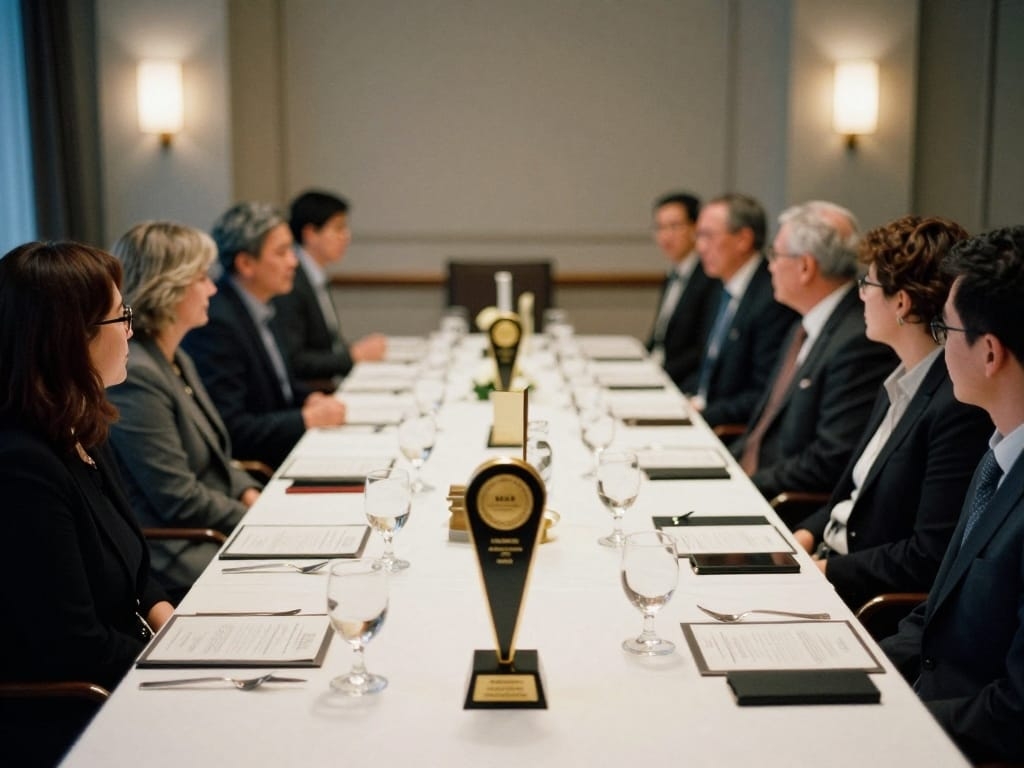
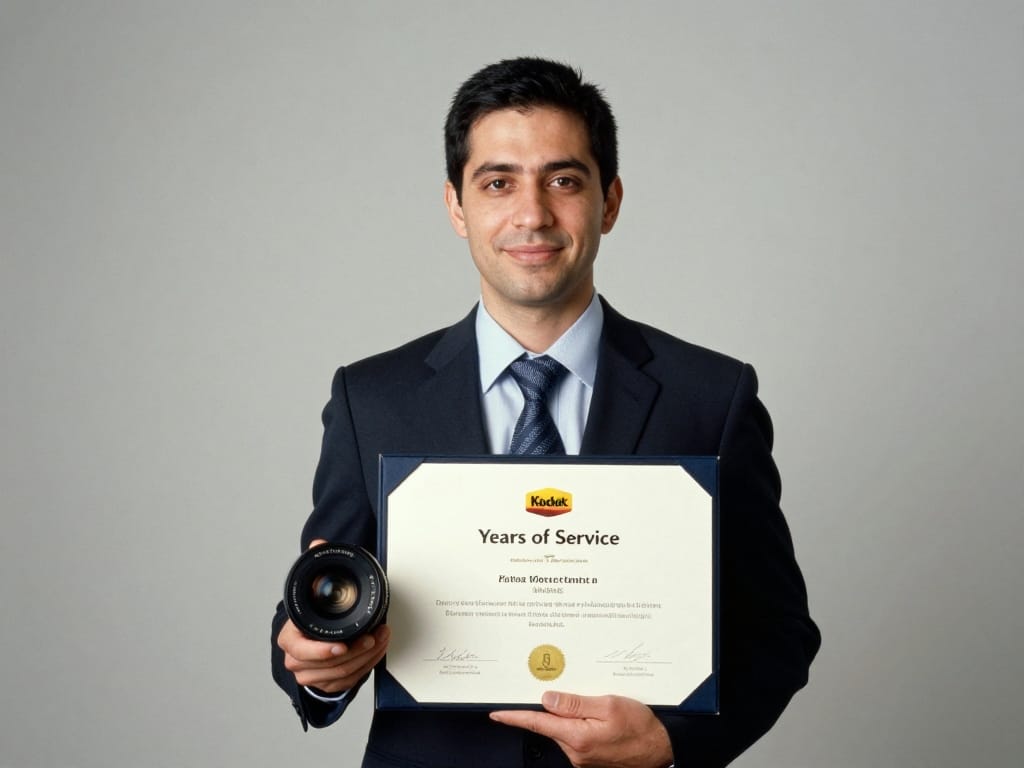
In the realm of human resources, fostering emotional bonds between employees and their organization emerges as a pivotal factor in achieving long-term retention. These bonds transcend mere job satisfaction, rooting deeply in a sense of belonging, purpose, and mutual respect. When employees feel emotionally connected, they are more likely to commit to the company's vision, weathering challenges and contributing innovatively over extended periods. Research indicates that organizations with strong emotional ties see retention rates improve by up to 30%, as employees view their roles not just as jobs, but as integral parts of a meaningful journey.
Emotional bonds often develop through consistent recognition of individual contributions and milestones. For instance, in companies with over 200 employees, implementing years of service recognition programs can significantly strengthen these connections. Such initiatives acknowledge loyalty and dedication, reinforcing employees' emotional investment. By celebrating tenure with personalized awards, public acknowledgments, or exclusive benefits, HR teams cultivate an environment where employees feel valued and appreciated, reducing turnover intentions and enhancing overall morale.
Key Ways to Foster Emotional Connections
These emotional bonds play a crucial role in HR strategies, serving as the bedrock for sustainable workforce management. Rather than relying solely on financial incentives, effective HR approaches integrate emotional elements to build resilience against market fluctuations and competitive poaching. In large organizations, where impersonal structures can dilute individual significance, targeted strategies like mentorship programs and team-building activities amplify these bonds. Ultimately, prioritizing emotional connections not only bolsters retention but also drives productivity and innovation, positioning the organization for long-term success.
By embedding emotional intelligence into HR frameworks, leaders can transform retention from a metric to a cultural cornerstone, ensuring that employees remain engaged and loyal for years to come.
FAQ
Q: How can we design an effective years of service recognition program for our company with over 200 employees?
A: Begin by defining clear milestones, such as 5, 10, 15, and 20 years of service. Offer personalized rewards like custom trophies, gift cards, extra vacation days, or professional development opportunities. Organize public recognition events where executives present awards to highlight the value of loyalty. Use HR software to track employee tenures accurately and ensure inclusivity. Finally, gather feedback from participants to continuously improve the program and maintain its relevance.
At the heart of employee retention lie powerful emotional undercurrents that often go unnoticed in traditional HR strategies. For organizations with over 200 employees, understanding these emotions is crucial, especially when designing years of service recognition programs. Core feelings like belonging, appreciation, and fulfillment profoundly shape whether employees choose to remain loyal or seek opportunities elsewhere.
Core Emotional Drivers
Belonging emerges as a foundational emotion, fostering a sense of community and inclusion. When employees feel genuinely connected to their colleagues and the company's culture, they are more likely to envision a long-term future there. This isn't just about team-building events; it's about creating an environment where diverse voices are heard and valued. In larger companies, where anonymity can creep in, targeted initiatives like mentorship programs or inclusive feedback sessions can amplify this sense of belonging, directly impacting retention rates.
Appreciation, another pivotal emotion, revolves around recognizing individual contributions. Employees who feel valued for their efforts experience higher job satisfaction and commitment. This is where years of service recognition programs shine, offering tangible acknowledgments such as personalized awards, public celebrations, or career milestone bonuses. Analyzing this emotion reveals that inconsistent or superficial recognition can lead to disengagement, prompting talented staff to leave. HR leaders should assess current practices through surveys and exit interviews to ensure appreciation resonates authentically, reinforcing loyalty.
Fulfillment ties into a deeper sense of purpose and personal growth. Employees stay when their roles align with their values and provide opportunities for advancement. In sizable organizations, this might involve tailored development paths or meaningful projects that challenge and inspire. By identifying gaps in fulfillment-perhaps through performance reviews or engagement metrics-companies can intervene early, preventing turnover. Ultimately, these emotions interconnect; nurturing them holistically through strategic programs not only boosts retention but also enhances overall productivity and morale.
By prioritizing emotional analysis, HR professionals can transform retention from a reactive process to a proactive strength, ensuring their workforce remains engaged and committed for the long haul.
Key Psychological Principles:
Recognition programs directly address employees' esteem needs by acknowledging their contributions and achievements, fostering a sense of self-worth and respect. According to psychological theories like Maslow's hierarchy, fulfilling esteem needs leads to higher emotional satisfaction, as individuals feel valued and competent in their roles. This validation reduces feelings of inadequacy and boosts confidence, encouraging staff to invest more deeply in their work. Consequently, employees develop stronger loyalty to the organization, viewing it as a supportive environment that appreciates their efforts. In companies with over 200 employees, such programs can scale to create widespread positive impacts on morale.
Psychological principles emphasize that humans have an innate need for belonging, which recognition programs enhance by creating inclusive experiences that make employees feel part of a community. When staff receive public acknowledgment for years of service, it strengthens social bonds and reduces isolation, leading to greater emotional satisfaction. This sense of connection motivates individuals to remain committed, as they associate the workplace with positive interpersonal relationships. Loyalty increases because employees perceive the company as caring about their integration and well-being. For HR in large firms, implementing these programs can cultivate a cohesive culture that retains talent effectively.
Intrinsic motivation theory suggests that internal rewards, such as personal growth and fulfillment, drive sustained performance more than external incentives. Recognition programs tap into this by celebrating milestones, which instills a deeper sense of purpose and emotional satisfaction in one's career journey. Employees feel genuinely appreciated, sparking self-driven efforts to excel and contribute innovatively. This internal drive fosters loyalty, as staff are less likely to seek opportunities elsewhere when their emotional needs are met. In larger organizations, these initiatives can transform routine recognition into powerful tools for long-term engagement.
The reciprocity principle in psychology posits that people feel compelled to return favors, and recognition programs leverage this by offering gratitude that employees reciprocate with increased dedication. This exchange enhances emotional satisfaction, as staff experience a balanced, appreciative dynamic with their employer. Over time, this builds loyalty through mutual respect and trust, making departures less appealing. HR professionals can use such programs to create a cycle of positive reinforcement that strengthens organizational bonds. Especially in companies with extensive workforces, reciprocity fosters a loyal culture rooted in emotional reciprocity.
Emotional engagement principles highlight how connecting on a personal level boosts satisfaction and retention, with recognition programs providing platforms for heartfelt appreciation of service years. This approach taps into affective commitment, where employees form emotional attachments to the company, leading to heightened loyalty. Psychologically, it satisfies needs for validation and security, reducing turnover intentions. Staff feel more invested when their emotions are acknowledged, promoting a stable workforce. For HR in mid-to-large enterprises, these programs are essential for nurturing deep, lasting employee connections.
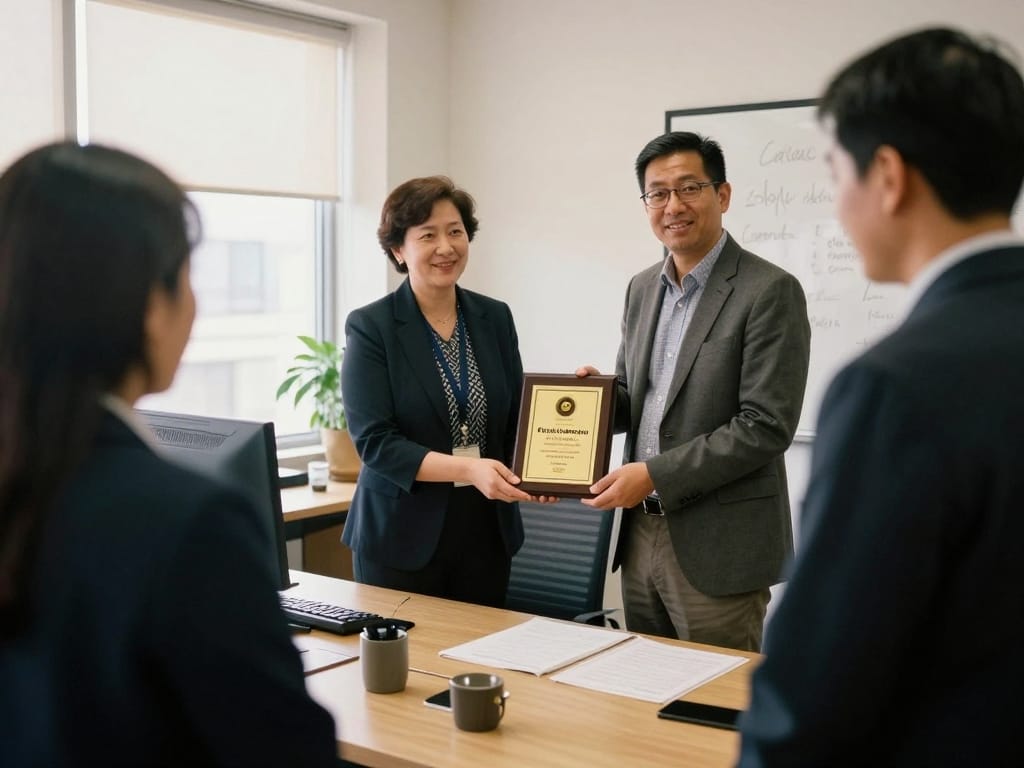
In the realm of employee retention, understanding and addressing emotional needs is paramount for HR professionals in larger organizations. Tailored recognition initiatives, particularly years of service programs, can significantly enhance sustained engagement by tapping into these emotional undercurrents. Employees often seek more than financial rewards; they crave validation, a sense of belonging, and acknowledgment of their personal growth and contributions over time.
Steps to Design Effective Recognition Programs
To create effective initiatives, start by conducting thorough assessments of your workforce's emotional landscape. Utilize anonymous surveys, focus groups, or one-on-one interviews to uncover prevalent needs such as appreciation for work-life balance, recognition of resilience during challenges, or affirmation of professional development. For instance, in companies with over 200 employees, diverse teams may express varying emotional priorities-veteran staff might value legacy-building, while mid-career professionals seek career progression validation.
Once insights are gathered, design recognition programs that are personalized and meaningful. For years of service milestones, move beyond generic plaques or bonuses. Implement initiatives like storytelling sessions where long-term employees share their journeys, fostering a sense of community and emotional connection. Offer experiential rewards, such as customized professional development opportunities or family-inclusive events, which address needs for growth and belonging. Integrate technology, such as digital platforms for peer nominations, to ensure timely and authentic recognition that resonates emotionally.
To promote sustained engagement, embed these initiatives into the company culture. Train managers to deliver recognition empathetically, emphasizing emotional impact over rote gestures. Regularly evaluate program effectiveness through engagement metrics, turnover rates, and feedback loops, adjusting as needed to maintain relevance. By aligning recognition with emotional needs, HR can cultivate a loyal workforce, reducing turnover and boosting productivity. Ultimately, these tailored approaches not only honor tenure but also reinforce employees' emotional investment in the organization, leading to deeper retention and a thriving workplace environment.
To truly understand the impact of recognition programs on emotional retention, HR leaders must employ robust methods and metrics that go beyond surface-level data. Start by implementing pre- and post-program surveys to gauge employees' sense of belonging and appreciation. These surveys should include questions rated on a Likert scale, such as "On a scale of 1 to 5, how valued do you feel by the company?" or "How likely are you to recommend our workplace to a friend?" This allows for quantitative analysis of emotional shifts, revealing how recognition fosters deeper connections.
Another effective method is conducting focus groups or one-on-one interviews with participants in years of service recognition initiatives. These qualitative approaches uncover nuanced insights into emotional roots, like stories of how a personalized award reinforced loyalty during challenging times. Pair this with turnover analysis: track voluntary attrition rates before and after program implementation, segmented by tenure groups. A decline in turnover among long-term employees can directly link to strengthened emotional bonds.
Key Metrics to Track
For a comprehensive view, integrate these with engagement platforms that track recognition frequency and participation rates-higher involvement correlates with improved retention.
To ensure accuracy, benchmark against industry standards and use control groups where possible. For instance, compare departments with active recognition programs to those without. Advanced analytics, like regression models, can isolate the program's effect on retention while controlling for variables such as salary or workload. By regularly reviewing these metrics, HR can refine programs, ensuring they not only celebrate milestones but also cultivate the emotional foundations that drive long-term loyalty in organizations with 200+ employees.

Implementing effective recognition programs in large organizations can be fraught with challenges, particularly when aiming to foster deep emotional connections that enhance employee retention.
Common Challenges
To overcome these barriers and ensure recognition resonates emotionally, start by prioritizing personalization. For years of service milestones, conduct surveys or interviews to understand what employees truly value-whether it's a custom experience like a team outing or a heartfelt letter from executives highlighting specific achievements. This taps into emotional needs for belonging and appreciation, making the recognition memorable.
Secure buy-in from leadership by demonstrating ROI through pilot programs that link recognition to improved engagement scores. Foster consistency with standardized yet flexible frameworks, training managers to deliver recognitions authentically. Incorporate storytelling elements, such as sharing employee journeys during award ceremonies, to evoke pride and connection. Finally, integrate feedback loops to refine programs, ensuring they evolve with workforce dynamics. By addressing these obstacles strategically, HR professionals can transform recognition into a powerful tool for emotional retention, ultimately building a more loyal and motivated workforce.
FAQ
What are effective ways to personalize years of service recognition in companies with over 200 employees?
Begin by conducting surveys or interviews to gauge what employees value most, then offer tailored rewards such as custom team outings or personalized letters from leadership that highlight specific achievements. This approach fosters a sense of belonging and appreciation, enhancing emotional connections and retention.
Turnover or turn over might describe:
.Onboarding or business socialization is the American term for the device through which brand-new workers obtain the needed expertise, skills, and actions to become effective organizational members and experts. In aside from American English, such as in British and Australasian dialects, this is referred to as "induction". In the USA, as much as 25% of workers are business novices taken part in onboarding procedure. Techniques utilized in this process include formal conferences, lectures, video clips, published products, or computer-based orientations that describe the procedures and culture of the company that the employee is entering into. This process is known in other components of the globe as an 'induction' or training. Research studies have documented that onboarding process is very important to boosting employee retention, enhancing performance, and promoting a positive organizational culture. Socialization methods such as onboarding cause positive end results for new workers. These consist of higher work fulfillment, better work efficiency, greater organizational commitment, and decrease in work anxiety and intent to stop. The term "onboarding" is management lingo coined in the 1970s.
.Retention rate is an analytical dimension of the proportion of people that remain involved with a team from one-time period to one more. The concept is utilized in numerous contexts, consisting of marketing, investment, education and learning, staff member monitoring, research study, and medical tests. The exact meaning depends on the context. As a general regulation, high retention corresponds to a positive end result. In advertising, retention price count consumers and their task irrespective deals they make. In a survey of nearly 200 elderly marketing managers, 63 percent reacted that they found the "retention rate" metric extremely valuable.
.