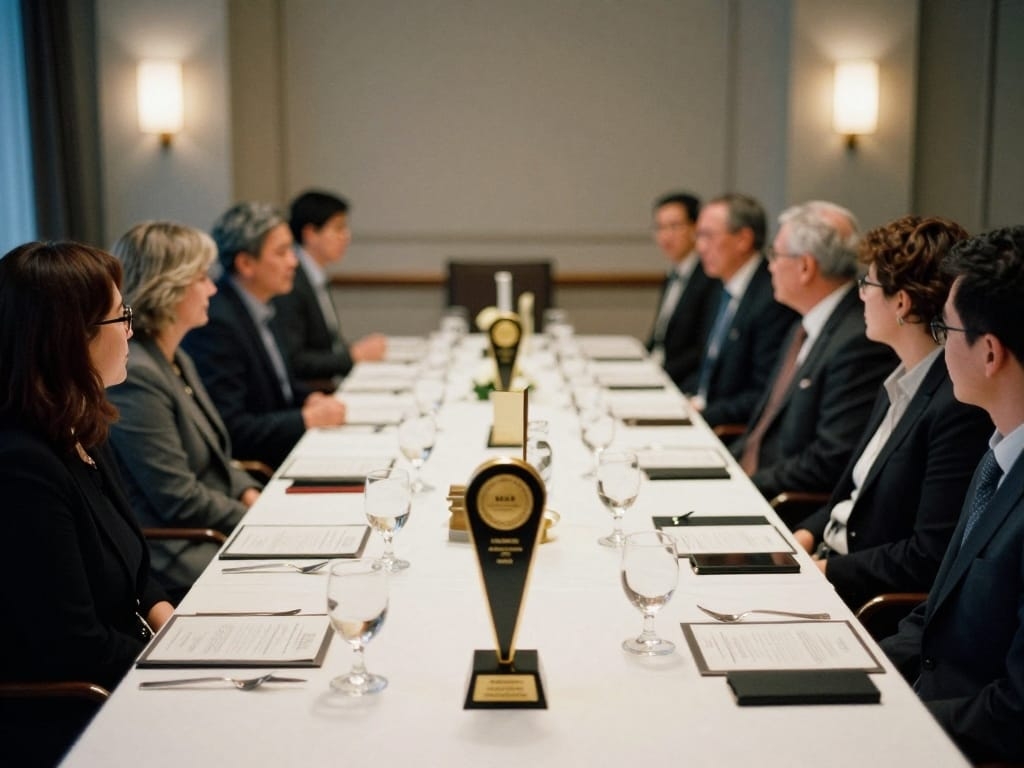

In the realm of employee recognition, the words we choose to accompany symbolic milestone rewards carry profound weight. For HR professionals in larger organizations, implementing years of service programs isn't just about handing out plaques or pins-it's about crafting narratives that resonate deeply with recipients. Carefully selected language transforms a simple acknowledgment into a powerful motivator, fostering loyalty and a genuine sense of belonging.
Consider the difference between a generic "Congratulations on 10 years" and a personalized message like "Your decade of dedication has been the cornerstone of our team's innovation and success." The latter employs evocative language that highlights individual contributions, evoking pride and emotional connection. This approach taps into psychological principles, such as self-determination theory, which posits that fulfillment comes from autonomy, competence, and relatedness. By using words that affirm an employee's value and integrate their story into the company's broader narrative, rewards become more than tokens-they reinforce identity and purpose.
Such linguistic precision enhances motivation by making employees feel seen and appreciated. Research from Gallup indicates that recognized workers are 2.5 times more likely to be motivated, directly linking thoughtful verbiage to performance. Loyalty surges when language emphasizes shared history and future potential, reducing turnover in companies with over 200 employees where retention is critical. For instance, phrases like "Your unwavering commitment inspires us all" build camaraderie, strengthening the sense of belonging that combats isolation in large corporate settings.
Key Facts About Recognition and Motivation
To maximize impact, HR teams should tailor language to company culture and individual achievements. Training managers in appreciative communication ensures consistency, turning milestone events into pivotal moments that align personal growth with organizational goals. Ultimately, the right words elevate symbolic rewards, creating a motivated workforce loyal to a company that truly values them.
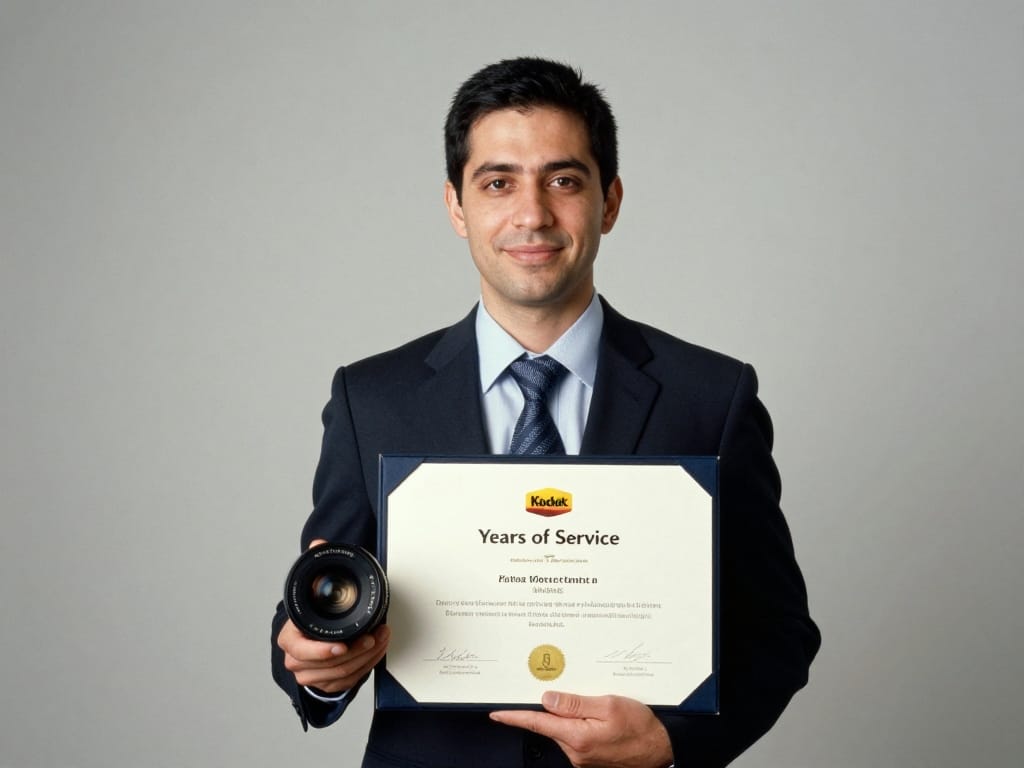
HR professionals should begin by thoroughly evaluating their company's unique culture to ensure milestone rewards resonate deeply with employees. This involves conducting surveys, focus groups, and interviews to identify core values, traditions, and symbols that define the organization. For instance, a tech company might value innovation, so rewards could incorporate futuristic or creative elements. Understanding these cultural nuances helps in crafting rewards that feel authentic rather than generic. By aligning rewards with cultural elements, HR can foster a sense of belonging and loyalty among staff.
Choosing the right symbolic elements requires careful consideration of items that carry emotional weight within the company context. HR should select symbols like customized plaques, engraved watches, or bespoke artwork that reflect the employee's journey and the organization's ethos. For example, a firm with a history of community service might use symbols tied to philanthropy. These choices should avoid clichés and instead draw from internal stories or milestones. Effective selection enhances the perceived value of the reward beyond its material worth.
Tailoring rewards to individual employees ensures they feel genuinely appreciated for their years of service. HR can gather personal data through discreet methods, such as preference forms or manager insights, to customize symbols accordingly. A long-term employee passionate about travel might receive a symbolic globe or map engraving. This personalization strengthens emotional connections and motivates continued dedication. Ultimately, it transforms standard recognitions into memorable, culture-infused experiences.
Implementing the milestone reward system demands a structured rollout plan to integrate it seamlessly into company operations.
Key Steps for System Implementation
Successful implementation boosts overall employee morale and retention rates.
To gauge the effectiveness of the reward system, HR professionals must measure its impact on employee engagement and satisfaction. This can be done through post-reward surveys, retention metrics, and qualitative feedback from recipients. Analyzing data helps identify which symbolic elements resonate most with the company culture. Adjustments based on these insights ensure the program evolves and remains relevant. Continuous evaluation reinforces the value of symbolic milestones in fostering a positive work environment.
Implementing years of service programs effectively requires a structured approach that aligns with your company's culture and goals. Start by forming a cross-functional team involving HR, leadership, and employee representatives to design the program. Define clear milestones, such as 5, 10, 15, and 20 years, and select symbolic rewards like personalized plaques, custom pins, or experiential gifts that resonate with your workforce. Budgeting is crucial-allocate funds based on employee tenure data to ensure sustainability. Pilot the program in one department to gather feedback and refine before company-wide rollout.
Examples of Symbolic Rewards
Communication is key to building excitement and participation. Develop a multi-channel strategy: announce the program through company-wide emails, intranet posts, and town hall meetings. Use storytelling to highlight past recipients, emphasizing how their contributions have shaped the organization. Personalize communications by notifying employees approaching milestones via direct messages from managers, fostering a sense of anticipation. Incorporate feedback loops, such as surveys, to gauge employee perceptions and adjust messaging accordingly. Transparency about criteria and selection processes builds trust and encourages long-term commitment.
Seamlessly integrate the program with existing HR initiatives to maximize impact. Link it to performance management systems by tying milestone recognitions to annual reviews, reinforcing employee development paths. Align with employee engagement surveys to measure the program's effect on morale and retention. For wellness programs, consider rewards that promote work-life balance, like extra vacation days. Integrate with diversity and inclusion efforts by ensuring rewards reflect cultural sensitivities and equitable access. Track metrics such as retention rates and employee satisfaction scores to evaluate ROI, and iterate based on data. By embedding the program into broader HR frameworks, you create a cohesive ecosystem that celebrates loyalty while driving organizational success.
In the realm of employee recognition, symbolic milestone rewards have proven effective in fostering loyalty and engagement in large organizations. Consider IBM, a technology giant with over 300,000 employees worldwide, which has long implemented a comprehensive years-of-service program. Employees reaching milestones like 5, 10, or 25 years receive personalized awards such as engraved watches, custom plaques, or experiential gifts like travel vouchers. These symbols not only honor tenure but also reinforce the company's values of innovation and commitment. Key outcomes include a notable reduction in turnover rates—IBM reports a 15% decrease in voluntary attrition among long-term staff—and heightened employee satisfaction scores, as evidenced by internal surveys showing 20% higher engagement levels post-recognition events.
Another exemplary case is Marriott International, employing more than 120,000 people globally. Their "Spirit to Serve" initiative includes milestone celebrations with symbolic tokens like pins, certificates, and exclusive events for anniversaries. For instance, 25-year veterans are inducted into a hall of fame with personalized stories shared company-wide. This approach has led to impressive results: a 12% improvement in retention for employees with over a decade of service, according to Marriott's HR analytics. Additionally, it has boosted overall morale, with employee net promoter scores rising by 18%, attributing this to the sense of belonging these rewards instill.
General Electric (GE), with a workforce exceeding 200,000, offers a tiered recognition system featuring symbolic items like crystal awards and personalized letters from executives for service milestones. This program emphasizes the narrative of shared success, aligning with GE's culture of excellence. Outcomes highlight a 10% increase in productivity metrics among recognized employees and a stronger organizational culture, as reflected in annual engagement surveys showing enhanced loyalty and reduced absenteeism by 8%. These examples demonstrate how symbolic rewards, when thoughtfully designed, translate into tangible business benefits like lower turnover and higher performance in large-scale enterprises.
Similarly, Coca-Cola, boasting over 80,000 employees, integrates milestone rewards with branded memorabilia and public acknowledgments. Veterans receive custom bottles etched with their names and service years, symbolizing their integral role in the brand's legacy. This has resulted in a 14% uplift in employee retention rates and improved internal collaboration, as per their global HR reports.
Key Outcomes from Case Studies
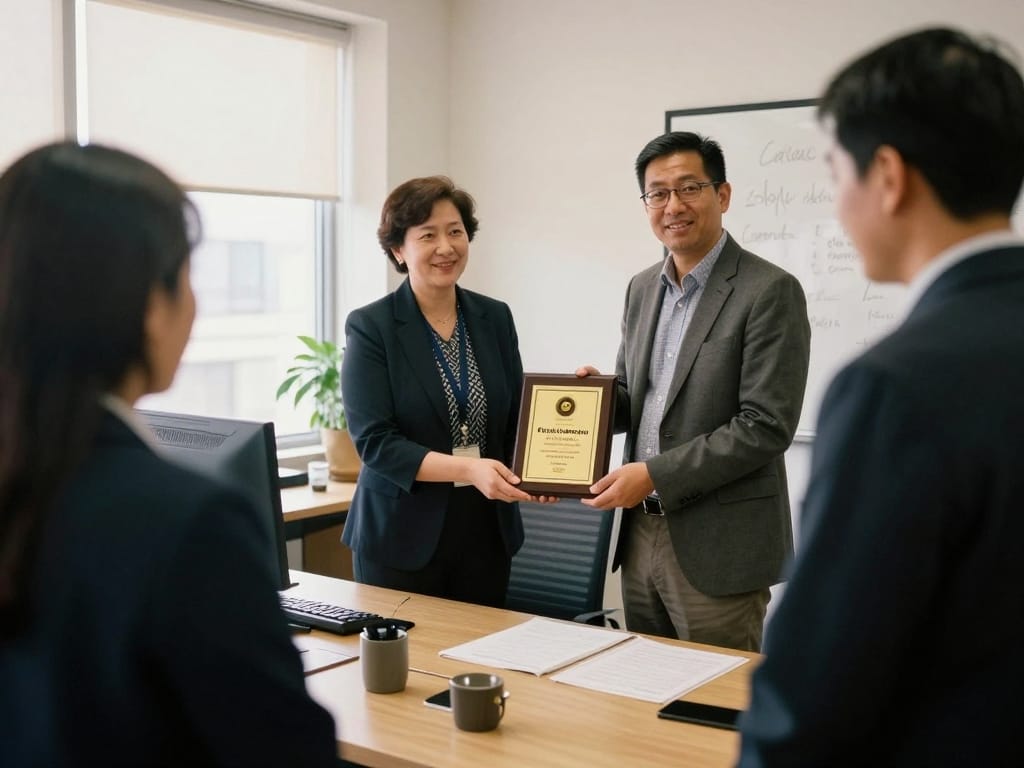
Evaluating the impact of symbolic milestone rewards on employee retention and engagement is crucial for HR leaders in large organizations to ensure their years of service recognition programs deliver real value. Start by establishing clear metrics before implementation. Key performance indicators (KPIs) might include employee turnover rates, particularly among long-tenured staff, and engagement scores from annual surveys. For instance, compare retention data from before and after introducing symbolic rewards, such as personalized plaques or experiential gifts, to quantify their effect. Tools like pulse surveys can provide qualitative insights, asking employees how valued they feel by these recognitions and whether it influences their decision to stay.
To measure engagement, track participation in company events or voluntary initiatives, as motivated employees often show higher involvement. Advanced analytics, such as correlating reward milestones with performance reviews, can reveal patterns-do recipients exhibit improved productivity or advocacy? Use HR software platforms to automate data collection, ensuring anonymity to encourage honest feedback. Benchmark against industry standards; for companies with over 200 employees, aim for a 10-15% improvement in retention metrics within the first year.
Helpful Facts on Recognition Program Impact
For continuous improvement, adopt an iterative approach. Regularly review program data quarterly and solicit feedback through focus groups or digital suggestion boxes. If surveys indicate that certain rewards feel outdated, refresh them-perhaps shifting from traditional items to modern options like wellness subscriptions. Train managers to deliver rewards meaningfully, enhancing their symbolic language. Pilot new elements in subsets of the workforce and scale successful ones. By fostering a culture of recognition that evolves with employee preferences, HR can amplify the program's role in building loyalty and a positive workplace environment. Ultimately, these methods not only validate the investment but also refine the narrative of appreciation, strengthening organizational bonds.
Worker interaction is a fundamental concept in the initiative to understand and define, both qualitatively and quantitatively, the nature of the connection in between an organization and its staff members. An "engaged employee" is specified as one that is fully soaked up by and passionate regarding their job therefore takes positive action to enhance the company's online reputation and interests. An engaged employee has a positive attitude in the direction of the company and its values. In contrast, a disengaged staff member may range from someone doing the bare minimum at the office (also known as 'coasting'), up to an employee who is proactively damaging the firm's work output and track record. An organization with "high" worker involvement could consequently be expected to surpass those with "reduced" employee engagement. Staff member interaction initially looked like an idea in administration theory in the 1990s, becoming widespread in administration technique in the 2000s, but it remains objected to. Despite academic critiques, employee involvement techniques are well established in the administration of human resources and of internal interactions. Staff member engagement today has actually ended up being associated with terms like 'em ployee experience' and 'em ployee contentment', although satisfaction is a different idea. Whereas involvement describes function motivation, contentment is an employee's attitude regarding the task-- whether they like it or not. The importance is much more as a result of the vast majority of new generation professionals in the labor force that have a greater propensity to be 'distracted' and 'disengaged' at work. A current survey by StaffConnect recommends that a frustrating number of business companies today (74. 24%) were preparing to enhance employee experience in 2018.
.Society (KUL-chəə r) is a concept that incorporates the social actions, institutions, and norms found in human societies, in addition to the expertise, ideas, arts, laws, customs, abilities, mindsets, and routines of the individuals in these teams. Culture often stems from or is attributed to a details region or area. Human beings get society with the learning processes of enculturation and socialization, which is revealed by the variety of societies throughout cultures. A cultural standard codifies acceptable conduct in culture; it functions as a guideline for behavior, gown, language, and demeanor in a scenario, which serves as a template for assumptions in a social group. Accepting just a monoculture in a social team can birth threats, just as a solitary types can perish despite ecological adjustment, for lack of functional responses to the change. Thus in military culture, valor is counted as a regular habits for a private, and duty, honor, and loyalty to the social team are counted as merits or functional feedbacks in the continuum of conflict. In faith, comparable attributes can be determined in a social team. Social adjustment, or repositioning, is the repair of a social principle of a culture. Societies are internally affected by both forces motivating adjustment and forces withstanding modification. Societies are externally affected by means of call in between cultures. Organizations like UNESCO attempt to protect society and social heritage.
.Task complete satisfaction, staff member fulfillment or work fulfillment is an action of workers' satisfaction with their job, whether they such as the task or private aspects or aspects of jobs, such as nature of job or guidance. Work contentment can be determined in cognitive (evaluative), affective (or emotional), and behavioral elements. Researchers have additionally noted that job fulfillment procedures vary in the degree to which they measure sensations about the task (affective job contentment). or cognitions regarding the job (cognitive work satisfaction). One of the most favored interpretations in business research study is that of Edwin A. Locke (1976 ), that defines task satisfaction as "a pleasant or positive emotion arising from the evaluation of one's job or job experiences" (p. 1304). Others have actually defined it as merely exactly how material a person is with their job; whether they like the work. It is analyzed at both the global degree (whether the person is satisfied with the job overall), or at the aspect degree (whether the individual is satisfied with different facets of the job). Spector (1997) listings 14 typical aspects: appreciation, interaction, coworkers, fringe benefits, Job conditions, nature of the work, company, personal growth, policies and treatments, promo possibilities, recognition, safety and security, and supervision.
.