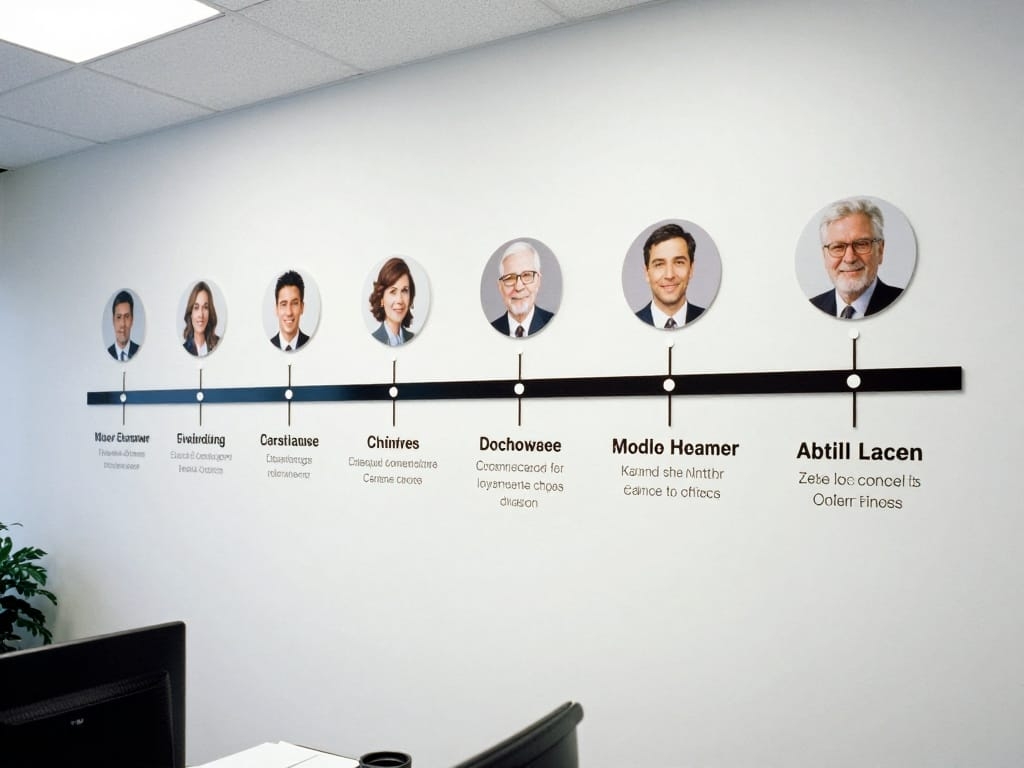
In today's competitive talent landscape, employee recognition emerges as a pivotal strategy for HR professionals in mid-to-large organizations, where retaining top talent amid high turnover can significantly impact operational stability and growth. At its core, employee recognition involves acknowledging and rewarding individuals' contributions, efforts, and milestones in a meaningful way. This can range from verbal praise and peer shout-outs to formalized programs celebrating achievements, but it's particularly potent when tied to longevity, such as years of service awards. For companies with over 200 employees, where personal connections may dilute due to scale, structured recognition fosters a sense of belonging and value, directly influencing an employee's willingness to stay.
Research consistently underscores this link.
Key Statistics on Employee Recognition and Retention
In larger organizations, where bureaucratic layers can obscure individual efforts, ignoring recognition often leads to disengagement and attrition. Conversely, implementing targeted programs—like milestone anniversaries with personalized gifts, public ceremonies, or additional perks—signals that loyalty is appreciated, boosting morale and reducing the allure of external opportunities.
Tailoring recognition to years of service is especially relevant for HR leaders in expansive firms. These programs not only honor long-term commitment but also align with broader retention goals by embedding a culture of appreciation. By integrating data-driven tools, such as employee feedback surveys or analytics platforms, HR can customize these efforts to resonate across diverse teams, ensuring inclusivity and relevance. Ultimately, recognition isn't just a feel-good tactic; it's a strategic lever that directly correlates with lower voluntary turnover, helping mid-to-large organizations maintain a stable, motivated workforce in an era of constant change. Investing here pays dividends in sustained productivity and reduced recruitment costs.
Recognition plays a pivotal role in shaping employees' long-term commitment to an organization, deeply rooted in key psychological theories. At its core, motivation theory, particularly Abraham Maslow's hierarchy of needs, underscores how recognition fulfills higher-level needs such as esteem and self-actualization. When employees receive acknowledgment for their contributions-through awards, public praise, or personalized gestures-they experience a boost in intrinsic motivation. This not only enhances job satisfaction but also fosters a sense of value, making them more inclined to stay rather than seek opportunities elsewhere.
Similarly, the concept of belonging, as explored in social identity theory by Henri Tajfel and John Turner, highlights how recognition strengthens an employee's connection to the company. Feeling recognized reinforces their identity within the group, reducing feelings of alienation and increasing loyalty. For instance, in larger organizations with over 200 employees, implementing years of service recognition programs can create a culture where tenure is celebrated, signaling that long-term dedication is appreciated. This psychological reinforcement translates into lower turnover rates, as employees perceive the company as a supportive community invested in their growth.
Research supports these theories; studies from Gallup indicate that recognized employees are 2.5 times more likely to be engaged, directly impacting retention. Recognition mitigates burnout by affirming efforts, aligning with self-determination theory's emphasis on autonomy, competence, and relatedness. When employees feel competent through recognition, their willingness to remain surges, viewing the organization as a partner in their professional journey.
Helpful Facts on Recognition's Impact
For HR leaders in sizable companies, leveraging these psychological insights means designing recognition initiatives that go beyond superficial rewards. Tailored programs that address individual motivations and foster belonging can significantly enhance retention, ultimately contributing to organizational stability and success. By understanding these dynamics, companies can cultivate an environment where employees not only stay but thrive long-term.
Key Statistics on Recognition Programs
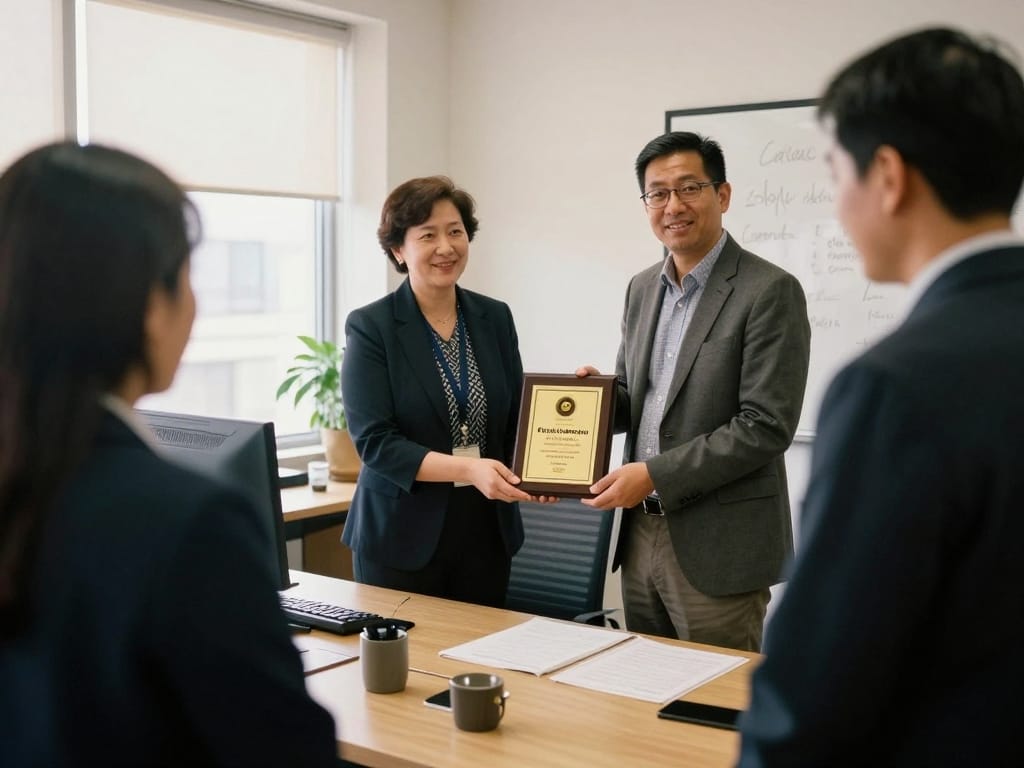
Implementing years of service recognition programs significantly elevates employee morale by acknowledging long-term commitment and fostering a sense of value within the organization. Employees who feel appreciated are more likely to exhibit higher job satisfaction, leading to a positive work environment. According to a Gallup study, organizations with strong recognition practices see a 21% increase in productivity due to improved morale. This boost not only enhances daily interactions but also encourages a culture of mutual respect and motivation among teams. In larger companies with over 200 employees, such programs can transform the overall atmosphere, making it more vibrant and supportive.
Recognition of tenure directly contributes to lower turnover rates by reinforcing employees' emotional investment in the company. When workers receive milestone awards, they are less inclined to seek opportunities elsewhere, as they perceive their loyalty as rewarded. Data from SHRM indicates that companies with effective recognition strategies experience up to 31% lower voluntary turnover. This reduction saves significant costs associated with recruitment and training new hires. For HR professionals in mid-sized firms, this means stabilizing the workforce and maintaining institutional knowledge over time.
Years of service programs strengthen company culture by promoting values of loyalty and longevity, creating a unified sense of purpose. They encourage storytelling and sharing of experiences, which builds camaraderie and a shared identity among employees. Research from Deloitte shows that organizations with robust recognition cultures are 2.5 times more likely to be top performers. This enhancement leads to better collaboration and innovation, as employees feel more connected to the company's mission. In environments with large teams, such programs help in weaving a tapestry of tradition and pride.
These recognition initiatives heighten employee engagement by making individuals feel integral to the organization's success story. Engaged employees are more proactive and committed, often going beyond their roles to contribute ideas. A study by Achievers reveals that companies with recognition programs see a 14% improvement in employee engagement scores. This increase fosters a proactive workforce, reducing absenteeism and enhancing overall performance. HR leaders in bigger companies can leverage this to drive long-term strategic goals through sustained employee involvement.
By celebrating service milestones, companies improve retention rates, ensuring a stable and experienced workforce. Employees who are recognized for their dedication are more likely to envision a long-term future with the employer. Industry data from WorldatWork suggests that recognition programs can boost retention by 23% in competitive markets. This improvement minimizes disruptions and preserves expertise, which is crucial for operational continuity. For organizations exceeding 200 employees, focusing on retention through recognition becomes a key strategy for sustainable growth.
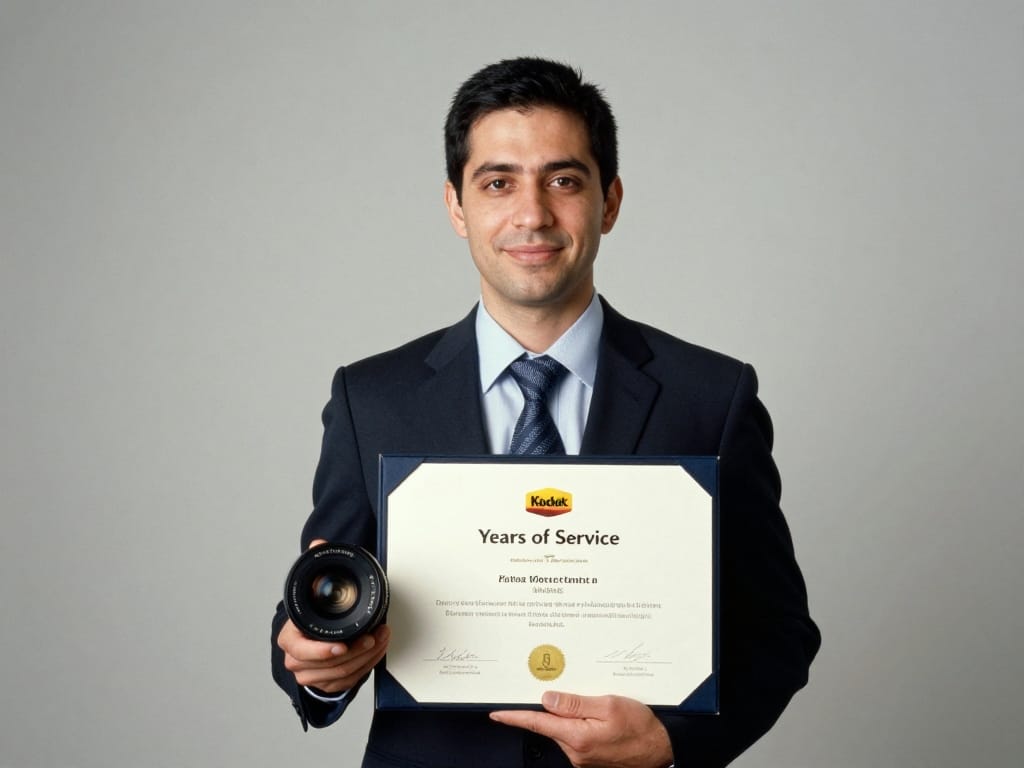
Creating and customizing years of service programs is essential for HR teams in large organizations to foster employee loyalty and align recognition with broader business objectives. Start by conducting a thorough assessment of your workforce demographics and needs. Survey employees to understand what forms of recognition resonate most-whether it's monetary bonuses, personalized gifts, additional time off, or public acknowledgments. For companies with over 200 employees, consider segmenting the workforce by departments or locations to tailor programs that address diverse preferences, such as flexible rewards for remote workers or team-building events for on-site staff.
Next, align the program with organizational goals. If retention in key roles is a priority, structure milestones (e.g., 5, 10, 15 years) with escalating rewards that encourage long-term commitment. Integrate company values by incorporating sustainable or community-oriented elements, like donating to a charity in the employee's name for eco-conscious firms. Customization is key: use data analytics to track participation and satisfaction, allowing for iterative improvements. For instance, if tech-savvy millennials dominate your workforce, opt for digital badges or app-based tracking systems over traditional plaques.
Implementation involves clear communication and seamless integration into existing HR processes. Partner with leadership to ensure buy-in, and train managers on how to deliver recognition meaningfully. Budgeting is crucial-allocate funds based on employee tenure distribution, aiming for cost-effectiveness without diminishing perceived value. Measure success through metrics like retention rates, employee engagement scores, and feedback loops.
Key Metrics for Measuring Success
Regularly review and adapt the program to evolving needs, such as incorporating hybrid work models post-pandemic.
By following these guidelines, HR teams can build years of service programs that not only celebrate longevity but also reinforce a culture of appreciation, ultimately boosting willingness to stay and contributing to organizational success.

Numerous large organizations have demonstrated the tangible impact of employee recognition on retention rates. By implementing structured programs that honor years of service, these companies have not only boosted morale but also achieved measurable reductions in turnover. For HR leaders in firms with over 200 employees, these examples highlight practical strategies for fostering long-term loyalty.
Consider Salesforce, a global CRM leader with thousands of employees worldwide. The company introduced its "Ohana" culture, which includes milestone recognition for years of service through personalized awards, public acknowledgments, and experiential rewards like trips or custom gifts. Following the rollout of this initiative, Salesforce reported a 15% improvement in employee retention over two years, as tracked by their internal HR metrics. Voluntary turnover dropped notably among mid-tenure staff, with surveys attributing this to feeling valued for their long-term contributions. This approach aligns recognition with company values, making employees more inclined to stay.
Another compelling case is Deloitte, a professional services giant employing over 300,000 people. Deloitte's "Career Milestones" program celebrates service anniversaries with tiered rewards, such as bonus points redeemable for merchandise or additional vacation days. After enhancing this program with digital badging and peer nominations, the firm saw a 12% decrease in attrition rates within the first 18 months. Analytics from their people data platform showed that recognized employees were 20% more likely to remain with the company beyond five years, directly linking recognition to sustained engagement.
Similarly, General Electric (GE), with its vast workforce exceeding 200,000, revamped its recognition efforts through the "GE Brilliance" platform. This includes automated alerts for service milestones, coupled with leadership shout-outs and monetary bonuses. Post-implementation, GE experienced an 18% uplift in retention for employees hitting 10+ years, according to their annual employee surveys. Turnover costs decreased significantly, proving the ROI of such initiatives.
Key Retention Improvements
These examples underscore how targeted recognition for years of service can drive retention in large-scale environments. By quantifying outcomes through metrics like turnover rates and engagement scores, HR teams can justify investments in similar programs, ultimately creating a more stable and committed workforce.
Worker involvement is an essential principle in the initiative to understand and define, both qualitatively and quantitatively, the nature of the connection in between an organization and its staff members. An "engaged employee" is defined as one who is fully absorbed by and passionate concerning their work and so takes favorable action to further the company's track record and rate of interests. An engaged employee has a positive attitude in the direction of the organization and its values. In contrast, a disengaged staff member may vary from somebody doing the bare minimum at the office (also known as 'drifting'), approximately an employee that is actively damaging the company's job result and track record. A company with "high" employee involvement might as a result be expected to outshine those with "low" worker involvement. Staff member involvement first appeared as a concept in monitoring theory in the 1990s, becoming extensive in administration practice in the 2000s, yet it continues to be disputed. Regardless of scholastic reviews, staff member interaction practices are well developed in the administration of personnels and of internal interactions. Employee interaction today has come to be identified with terms like 'em ployee experience' and 'em ployee contentment', although contentment is a various idea. Whereas involvement refers to work inspiration, fulfillment is a worker's mindset regarding the task-- whether they like it or not. The importance is a lot more due to the large bulk of new generation experts in the labor force who have a greater propensity to be 'sidetracked' and 'disengaged' at the workplace. A current study by StaffConnect suggests that a frustrating number of enterprise organizations today (74. 24%) were intending to enhance staff member experience in 2018.
.Society (KUL-chəə r) is an idea that incorporates the social behavior, institutions, and norms found in human societies, along with the understanding, beliefs, arts, regulations, customizeds, capabilities, attitudes, and practices of the individuals in these teams. Culture commonly originates from or is attributed to a specific region or location. People acquire culture with the finding out processes of enculturation and socializing, which is shown by the diversity of societies across cultures. A cultural norm orders acceptable conduct in culture; it works as a guideline for habits, dress, language, and temperament in a scenario, which works as a layout for expectations in a social team. Accepting only a monoculture in a social team can bear dangers, just as a solitary types can wither despite environmental change, for absence of useful feedbacks to the adjustment. Hence in army culture, valiance is counted as a normal actions for a specific, and obligation, honor, and loyalty to the social group are counted as virtues or functional actions in the continuum of dispute. In religious beliefs, comparable characteristics can be determined in a social team. Cultural change, or repositioning, is the repair of a social concept of a society. Societies are inside affected by both forces encouraging adjustment and pressures withstanding change. Cultures are externally impacted through call in between societies. Organizations like UNESCO effort to protect culture and social heritage.
.