
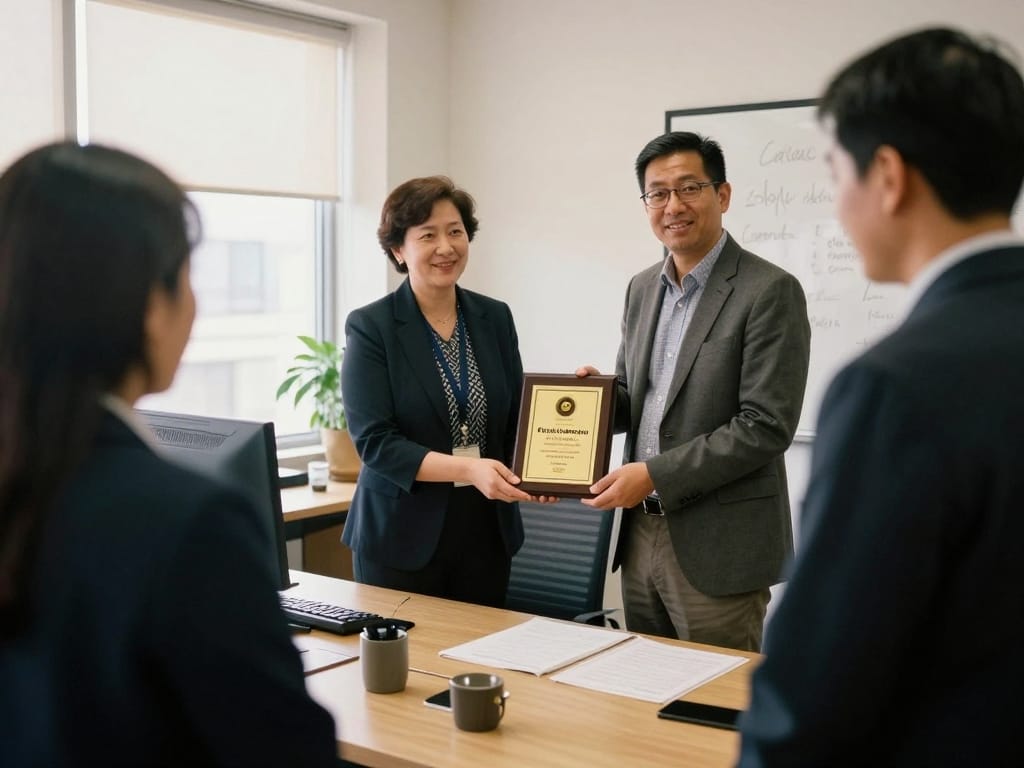
In the dynamic landscape of modern workplaces, milestone moments represent pivotal occasions that mark significant achievements or transitions in an employee's professional journey. These can include work anniversaries, such as five, ten, or twenty years of service, promotions, successful project completions, or even personal accomplishments like certifications and awards. Far from being mere calendar events, these moments serve as powerful touchpoints for organizations to reinforce their values, culture, and commitment to their workforce.
At their core, milestone moments are opportunities to celebrate dedication and growth, fostering a deeper sense of belonging and purpose among employees. In professional settings, they act as reminders of individual contributions to the company's broader mission, helping employees see how their efforts align with organizational goals. For instance, recognizing a decade of service not only honors loyalty but also highlights the employee's role in driving innovation or sustaining team success over time.
The significance of these moments for employee engagement cannot be overstated. Research consistently shows that when companies actively acknowledge milestones, employees report higher levels of motivation, job satisfaction, and loyalty.
Key Benefits of Acknowledging Milestones
This recognition combats disengagement by making workers feel valued and seen. In larger organizations with over 200 employees, where individual contributions might otherwise feel overshadowed, structured milestone programs—such as years of service awards—create personalized experiences that strengthen emotional connections.
Moreover, integrating milestone moments into employee engagement strategies helps build a resilient company culture. By tying these celebrations to the organization's purpose, leaders can inspire a shared sense of achievement and direction. Whether through personalized gifts, public acknowledgments, or team events, these initiatives transform routine recognitions into meaningful narratives that propel long-term commitment. Ultimately, embracing milestone moments is not just about marking time; it's about cultivating an environment where every employee feels integral to the company's success story.
FAQ
What are some best practices for implementing a years of service recognition program in a company with more than 200 employees?
Implementing a years of service recognition program in a large company can be highly effective for boosting engagement. Best practices include creating a tiered structure with escalating rewards for milestones like 5, 10, 15, and 20 years; personalizing recognitions based on employee preferences through surveys; incorporating public elements such as company-wide announcements or events to foster a sense of community; aligning the program with your organization's purpose to make it more meaningful; and regularly evaluating the program's impact through feedback to ensure it remains relevant and scalable for your workforce size.
Recognizing service milestones is more than a ceremonial gesture; it's a powerful opportunity to deepen employees' connection to the organization's core values and mission. In companies with over 200 employees, where individual contributions can sometimes feel diluted amid large-scale operations, these moments serve as pivotal touchpoints to reinforce purpose and belonging.
Consider how a well-crafted years of service recognition program can explicitly link an employee's tenure to the company's foundational principles. For instance, during a 10-year anniversary celebration, leaders might highlight specific ways the employee has embodied values like innovation or integrity in their daily work. This not only honors longevity but also illustrates how their efforts contribute to broader goals, such as advancing sustainable practices or fostering community impact. By framing milestones in this context, employees see their roles as integral to the mission, transforming routine acknowledgments into meaningful affirmations of shared purpose.
To effectively align recognitions with core values, HR teams should integrate storytelling and personalization. Encourage managers to share anecdotes that tie an employee's achievements to the company's ethos, perhaps through customized awards or events that reflect the mission's themes. Digital platforms can amplify this by showcasing milestone stories across the organization, inspiring others and cultivating a culture of purpose-driven engagement.
The impact extends beyond the individual: such programs enhance overall retention and morale. Research shows that employees who feel aligned with their company's mission are 12 times more likely to be engaged. In large enterprises, where turnover can be costly, leveraging milestones to reconnect staff with purpose isn't just beneficial-it's essential for sustaining a motivated workforce committed to long-term success.
Implementing these strategies requires thoughtful planning, from selecting recognition criteria that mirror values to training leaders on purposeful communication. Ultimately, by weaving milestones into the fabric of the organization's narrative, companies empower employees to view their careers as purposeful journeys aligned with a greater mission.
Key Facts About Milestone Recognition Programs
In companies with over 200 employees, milestone recognition programs significantly enhance retention by acknowledging long-term commitment, making staff feel valued and less likely to seek opportunities elsewhere. These programs create a sense of belonging, which is crucial in large organizations where individual contributions can sometimes feel overlooked. By celebrating years of service, companies reduce turnover rates, saving on recruitment and training costs. Employees who receive such recognition often report higher job satisfaction, leading to longer tenures. This approach fosters loyalty, as workers see their milestones as integral to the company's success story.
Milestone recognition elevates employee morale in large firms by highlighting personal achievements amid a vast workforce, countering feelings of anonymity. When companies publicly honor service anniversaries, it instills pride and motivation, improving overall workplace atmosphere. This boost in morale translates to better collaboration and a positive company culture, essential for maintaining harmony in bigger teams. Employees feel more connected to the organization's purpose, which sustains their enthusiasm over time. Ultimately, high morale from these programs leads to a more resilient and happy workforce.
For organizations exceeding 200 employees, milestone programs drive engagement by linking individual journeys to the company's broader mission, encouraging active participation. Recognizing key moments like work anniversaries motivates staff to invest more in their roles, fostering a deeper sense of purpose. This heightened engagement results in innovative ideas and improved performance, benefiting large-scale operations. Employees become advocates for the company, enhancing internal dynamics. Such programs ensure that even in expansive settings, personal growth aligns with organizational goals.
Milestone recognition in large companies leads to productivity gains as honored employees often exhibit renewed vigor and efficiency in their tasks. By celebrating service milestones, firms inspire others to strive for similar acknowledgments, creating a ripple effect of diligence. This system helps maintain high output levels across departments, crucial for managing complex workflows in bigger enterprises. Workers feel their efforts contribute to meaningful progress, reducing burnout and sustaining momentum. Overall, these programs turn routine jobs into purposeful endeavors, elevating daily productivity.
In companies with more than 200 staff, milestone programs strengthen organizational culture by embedding values of appreciation and longevity into the fabric of daily operations. They promote a supportive environment where achievements are shared, building unity among diverse teams. This cultural reinforcement aids in aligning employees with the company's purpose, making abstract goals feel tangible. As a result, the workplace becomes more cohesive, with reduced conflicts and higher collective morale. Such initiatives ensure that the company's ethos resonates deeply, fostering enduring employee commitment.
In today's dynamic workplace, HR professionals in mid-to-large organizations play a pivotal role in nurturing employee engagement by linking recognition to a deeper sense of purpose. Tailored years of service recognition initiatives go beyond mere acknowledgments; they reinforce how individual contributions align with the company's mission and values, fostering loyalty and motivation among teams exceeding 200 employees.
To create effective programs, start by assessing your organizational culture and employee demographics. Conduct surveys or focus groups to understand what milestones matter most-whether it's five, ten, or twenty years-and how employees perceive purpose. For instance, in a tech firm emphasizing innovation, tie recognitions to how long-term service has driven breakthroughs. Customize rewards to reflect personal growth, such as the following.
Examples of Customized Rewards
Integration with broader purpose-driven strategies is key. Link milestones to the company's core purpose; for example, if your organization focuses on healthcare, recognize veterans by showcasing how their tenure has improved patient outcomes. Use storytelling in ceremonies-share narratives of employee journeys that embody the company's ethos, making the event memorable and inspirational. Digital platforms can amplify this by creating virtual walls of fame or peer-nominated spotlights, ensuring inclusivity for remote workers.
Measure success through metrics like retention rates, engagement scores, and feedback loops. Adjust initiatives annually based on data to keep them relevant. By personalizing these moments, HR leaders not only celebrate longevity but also embed a profound sense of belonging and purpose, ultimately enhancing organizational resilience and performance. Remember, authenticity is crucial-ensure recognitions feel genuine to avoid cynicism and truly connect employees to the bigger picture.

In today's dynamic work environment, recognizing employees' milestones, such as years of service, goes beyond generic awards. To truly connect these moments to an individual's sense of purpose, HR leaders must adopt strategies that personalize recognition efforts. This customization not only boosts engagement but also reinforces the employee's alignment with the company's mission and their personal values.
Key Strategies for Personalizing Recognition
Start by gathering insights into what drives each employee. Conduct surveys or one-on-one discussions to uncover their career aspirations, personal interests, and how they perceive their contributions. For instance, an employee passionate about community service might appreciate a recognition package that includes a donation to a cause they support, rather than a standard plaque. This approach transforms a milestone into a meaningful affirmation of their purpose.
Leverage technology to scale personalization. Use HR platforms that track employee preferences and feedback, enabling tailored experiences. For a team member who values professional growth, offer a customized learning opportunity, like a specialized course or mentorship program, tied to their service anniversary. This not only celebrates tenure but also invests in their future, making the recognition feel relevant and empowering.
Involve managers in the process to ensure authenticity. Train them to identify unique motivators and craft messages that highlight specific achievements linked to the employee's purpose. For example, if an employee's purpose revolves around innovation, recognize their milestone by showcasing how their ideas have driven company progress, perhaps through a personalized video testimonial from colleagues.
Measure the impact of these strategies through follow-up surveys to refine approaches. Companies with over 200 employees can benefit from segmenting recognition programs by departments or roles, ensuring scalability while maintaining individuality. By connecting recognition to personal purpose, organizations foster a culture of belonging, reducing turnover and enhancing productivity. Ultimately, these efforts demonstrate that the company values employees as whole individuals, not just their time served.
Rolling out a milestone recognition program in a large organization requires a structured approach to ensure buy-in and long-term success. Start by forming a cross-functional team, including HR leaders, department heads, and employee representatives, to design the program. Assess your company's culture and values to define meaningful milestones, such as 5, 10, or 20 years of service, and align them with personalized rewards like custom plaques, extra vacation days, or experiential gifts that resonate with your workforce.
Next, integrate technology for scalability. In environments with over 200 employees, leverage HR software platforms like Workday or BambooHR to automate tracking of service anniversaries. This minimizes manual errors and ensures timely notifications. Develop clear guidelines for recognition events, such as virtual shout-outs for remote teams or in-person ceremonies for office-based staff, to accommodate diverse work setups.
For a successful launch, communicate the program's purpose through town halls, emails, and intranet posts, emphasizing how it connects employees to the company's mission. Train managers on delivering authentic recognition, providing them with templates for speeches or notes that highlight individual contributions. Pilot the program in one department to gather initial feedback and refine before company-wide rollout.
Maintaining the program demands ongoing effort.
Essential Steps for Sustaining the Program
By committing to these steps, large organizations can sustain a recognition program that boosts morale and loyalty.
FAQ
What are some effective ways to measure the success of a milestone recognition program in a large company?
To measure success, track key metrics like employee engagement survey scores, retention rates following milestones, and overall participation in recognition events. Conducting annual reviews with employee feedback can also help assess and improve the program's impact on morale and loyalty.
To truly understand the impact of milestone moments on employee purpose and satisfaction, organizations must implement robust evaluation methods. These approaches not only validate the program's effectiveness but also provide insights for refinement, ensuring that recognition efforts align with broader HR goals in companies with over 200 employees.
Key Facts on Employee Recognition Impact
One primary method is conducting regular employee surveys. Pre- and post-milestone event surveys can measure shifts in perceived purpose and job satisfaction. For instance, questions might ask employees to rate their sense of connection to the company's mission on a scale of 1-10, or describe how the recognition influenced their motivation. Tools like Net Promoter Score (NPS) adaptations can quantify advocacy levels, revealing if milestone celebrations foster a deeper emotional bond.
Another effective technique involves analyzing key performance indicators (KPIs). Track metrics such as employee retention rates, absenteeism, and productivity before and after milestone programs. A noticeable uptick in retention among recognized employees could indicate heightened purpose. Additionally, integrate data from performance reviews to correlate milestone participation with improved output or innovation, demonstrating tangible business value.
Qualitative assessments add depth to quantitative data. Collect stories and testimonials through focus groups or one-on-one interviews. Employees might share how a 10-year service award reaffirmed their commitment, enhancing overall satisfaction. Sentiment analysis on internal communications, like emails or intranet posts, can gauge emotional responses to these moments.
Finally, calculate return on investment (ROI) by comparing program costs against benefits like reduced turnover expenses. For example, if milestone initiatives lower voluntary attrition by 5%, the savings in recruitment and training can be substantial. By combining these methods-surveys, KPIs, qualitative feedback, and ROI analysis-HR leaders can empirically demonstrate how milestone moments strengthen employee purpose, ultimately driving a more engaged and satisfied workforce. This data-driven approach ensures recognition programs evolve to meet organizational needs effectively.
Onboarding or business socializing is the American term for the system whereby brand-new employees acquire the necessary expertise, abilities, and behaviors to become effective business members and insiders. In other than American English, such as in British and Australasian languages, this is described as "induction". In the USA, up to 25% of employees are business beginners participated in onboarding process. Methods made use of in this process include official conferences, lectures, videos, printed products, or computer-based orientations that detail the operations and society of the organization that the worker is participating in. This procedure is recognized in various other components of the globe as an 'induction' or training. Researches have actually documented that onboarding procedure is essential to enhancing staff member retention, improving efficiency, and fostering a favorable organizational society. Socialization methods such as onboarding lead to positive results for new employees. These consist of higher work contentment, much better work performance, greater organizational commitment, and decrease in work tension and intent to quit. The term "onboarding" is management jargon created in the 1970s.
.Employee retention is the ability of an organization to retain its employees and ensure sustainability. Employee retention can be represented by a simple statistic (for example, a retention rate of 80% usually indicates that an organization kept 80% of its employees in a given period). Employee retention is also the strategies employers use to try to retain the employees in their workforce.
In a business setting, the goal of employers is usually to decrease employee turnover, thereby decreasing training costs, recruitment costs and loss of talent and of organisational knowledge. Some employers seek "positive turnover" whereby they aim to maintain only those employees whom they consider to be high performers.
Studies have shown that cost related to directly replacing an employee can be as high as 50–60% of the employee's annual salary, but the total cost of turnover can reach as high as 90–200% of the employee's annual salary.[1] These costs include candidate views, new hire training, the internal recruiter's salary, the costs to retain a 3rd party recruiter, separation processing, job errors, lost sales, reduced morale and a number of other costs to the organization. Turnover also affects organizational performance. High-turnover industries such as retailing, food services, call centres, elder-care nurses, and salespeople make up almost a quarter of the United States population. Replacing workers in these industries is less expensive than in other, more stable, employment fields but costs can still reach over $500 per employee.[2] As of November 2022, Gallup found that 49% of U.S. employees were watching for or actively seeking a new job.[3]
An alternative motivation theory to Maslow's hierarchy of needs is the motivator-hygiene (Herzberg's) theory. While Maslow's hierarchy implies the addition or removal of the same need stimuli will enhance or detract from the employee's satisfaction, Herzberg's findings indicate that factors garnering job satisfaction are separate from factors leading to poor job satisfaction and employee turnover. Herzberg's system of needs is segmented into motivators and hygiene factors. Hygiene factors include expected conditions that if missing will create dissatisfaction. Examples of hygiene factors include bathrooms, lighting, and the appropriate tools for a given job. Employers must utilize positive reinforcement methods while maintaining expected hygiene factors to maximize employee satisfaction and retention.[4]
Flexible work arrangements (FWAs) involve adapting an organization's work system to become more flexible, which may include adjusting how tasks are distributed among employees or allowing staff to set their own working hours and location. Although FWAs existed before the COVID-19 pandemic, the use of FWAs surged during the pandemic. According to a 2023 OECD report, almost all public sector organizations in OECD countries implemented flexible working arrangements, at least in the form of part-time work and flextime.[5]
FWAs were found to have a positive impact on employee retention and also organizational productivity in a 2022 study.[6]
FWAs increase flexibility in when, where, and sometimes how employees work. As a result, employees with higher autonomy tend to value their jobs more, experience greater happiness and job satisfaction, and are more likely to stay with their employer.[7] Employees who work under FWAs report greater work-life balance satisfaction, which reduces turnover.[8]
FWAs can sometimes negatively impact employee retention.[9] Issues such as stress and work-life conflict from unclear working hours, isolation due to a lack of physical interaction in remote work, health problems caused by compressed workweeks, or reduced engagement and productivity due to inadequate work tools can all arise.
A large-scale field experiment by Bloom, Han, and Liang (2024) found that employees offered a hybrid schedule—three days in the office and two days at home—were 35 percent less likely to quit over a two-year period than those required to work on-site full-time.[10]
In September 2024 the New Zealand Government issued updated guidance for public service agencies stating that working from home "is not an entitlement" and must be mutually agreed between employer and employee. The guidance requires that remote arrangements "must not compromise employee performance or the objectives of the agency," and directs agencies to monitor and report the number and type of agreements to the Public Service Commission, which will publish the data for transparency.[11]
Equity considerations further complicate retention outcomes. Hybrid policies can inadvertently favor employees with suitable home office environments and high-speed internet, while disadvantaging those in small or shared living spaces. Research also shows gendered effects: hybrid work can help retain women with caregiving responsibilities, yet some women report slower advancement when working remotely more frequently than male colleagues.[12]
To maximize the retention advantages of remote and hybrid models, a report from McKinsey recommend clear performance metrics, regular virtual check-ins, and intentional efforts to maintain organizational culture. [13]
Artificial Intelligence (AI) tools have been used to analyze employee performance metrics to attempt to identify patterns that may indicate potential turnover.[14][15]
HR analytics has been used to identify the root causes of employee attrition.[16][17]
Diversity, equity, and inclusion (DEI) initiatives are designed to promote equity, combat discrimination, and provide support for diverse employee needs. Research conducted by Ashikali and Groeneveld in 2015 established that the positive effect of diversity management on employee commitment is often mediated by the inclusiveness of the organizational culture and the role of transformational leadership.[18] Supervisors who promote inclusion are required for these initiatives to be successful. Trochmann, Stewart, and Ragusa (2023) found that positive perceptions of diversity and inclusion were significantly associated with higher levels of job satisfaction and overall workplace happiness in racially diverse agencies.[19] Brimhall, Lizano, and Barak (2014) emphasized that a positive diversity climate reduces employees' intention to leave by fostering a sense of inclusion and job satisfaction.[20]
Ritz and Alfes (2018) showed that in multilingual public administrations, employees' attachment to their jobs increased when their supervisors actively supported diversity and fostered an inclusive environment.[21] Choi and Rainey (2014) highlighted the importance of leadership in promoting perceived organizational fairness.[22]
cite journal: CS1 maint: multiple names: authors list (link)cite journal: CS1 maint: DOI inactive as of September 2025 (link)