In large organizations, high turnover rates pose a significant challenge, often stemming from a variety of interconnected factors. One primary contributor is the lack of employee recognition and engagement. When workers feel undervalued or overlooked, especially in expansive corporate structures where individual contributions can seem invisible, dissatisfaction grows. This is exacerbated by inadequate career development opportunities; employees in big companies frequently report feeling stuck in rigid hierarchies with limited paths for advancement. Poor work-life balance also plays a critical role, as demanding schedules and high-pressure environments lead to burnout, prompting talented individuals to seek more flexible alternatives elsewhere.
Another key factor is compensation misalignment. In competitive job markets, if salaries, benefits, or incentives don't keep pace with industry standards, employees are quick to jump ship. Additionally, toxic workplace cultures-marked by poor management, lack of inclusivity, or unresolved conflicts-further fuel turnover. Data from industry reports, such as those from Gallup, indicate that in organizations with over 200 employees, these issues are amplified due to scale, where communication breakdowns and bureaucratic red tape can alienate staff.
Key Factors Leading to High Turnover
The impact on business performance is profound and multifaceted. Financially, high turnover incurs substantial costs: recruiting and training new hires can amount to 50-200% of an employee's annual salary. Beyond dollars, there's a loss of institutional knowledge and expertise, which disrupts team dynamics and innovation. Productivity suffers during transition periods, with remaining employees often overburdened, leading to decreased morale and potential further exits. This cycle can tarnish an organization's reputation, making it harder to attract top talent and affecting customer satisfaction through inconsistent service delivery. Ultimately, unchecked turnover erodes competitive advantage, as stable workforces are key to sustained growth and adaptability in dynamic markets. Addressing these factors through targeted strategies, like robust recognition programs, is essential for fostering loyalty and reducing attrition.
FAQ Section
What are effective strategies for implementing a years of service recognition program in a large company?
For HR professionals in companies with over 200 employees, implementing a years of service recognition program can significantly boost retention. Start by defining clear milestones, such as 5, 10, 15, and 20 years of service. Offer tiered rewards like personalized plaques, gift cards, additional paid time off, or experiential perks such as company-sponsored trips. Ensure the program is inclusive and communicated transparently via company-wide announcements and an internal portal. Track employee anniversaries using HR software to automate notifications and celebrations. Finally, gather feedback annually to refine the program, ensuring it aligns with employee preferences and promotes a culture of appreciation.

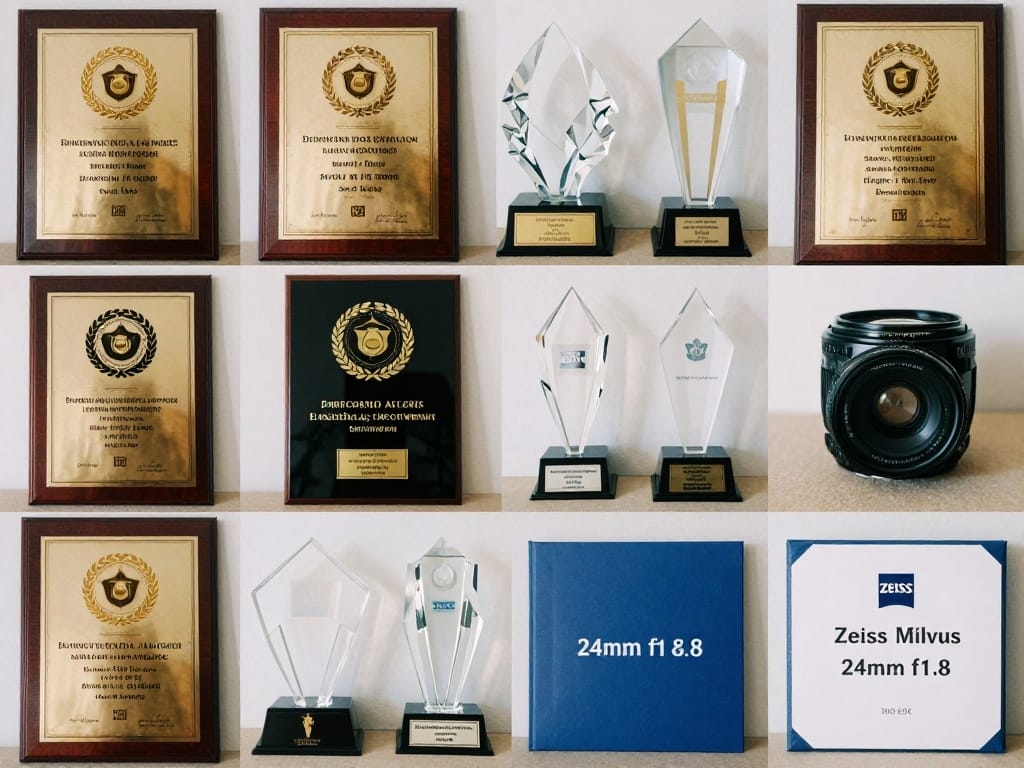
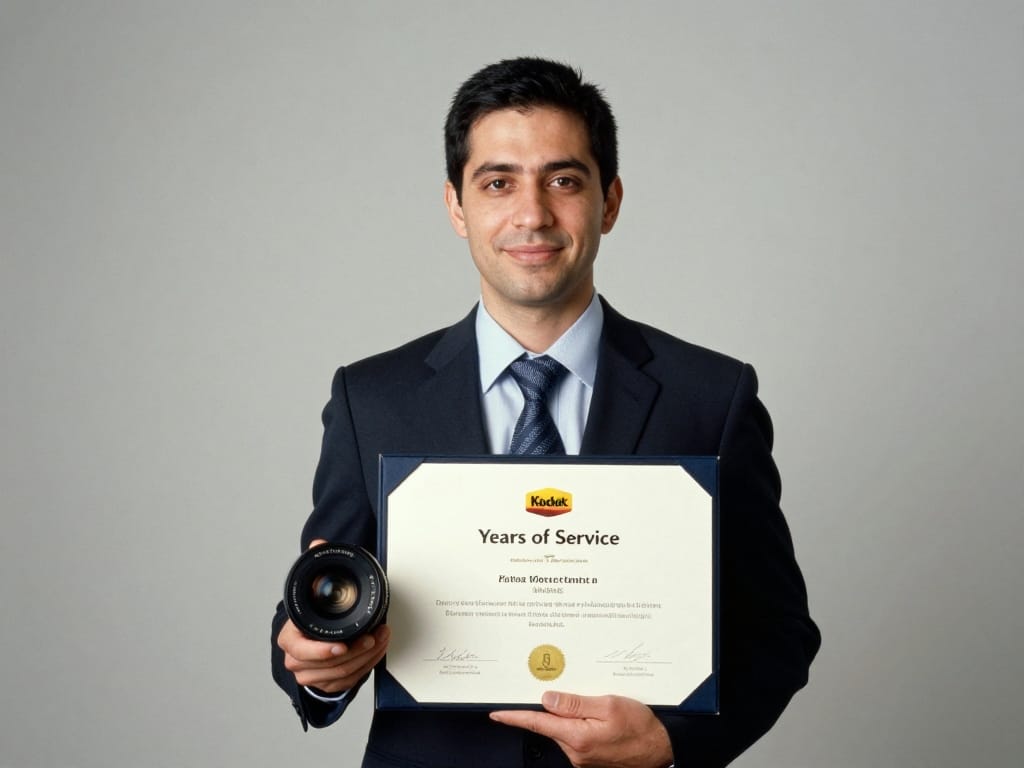
In the realm of employee retention strategies, years of service recognition programs stand out as a cornerstone for building enduring loyalty. These initiatives are structured frameworks designed to honor employees' tenure milestones, such as 5, 10, 15, or 20 years with the organization. Typically, they involve personalized acknowledgments, ranging from certificates and plaques to more substantial rewards like bonuses, extra vacation days, or experiential gifts. For HR leaders in companies with over 200 employees, implementing such programs requires thoughtful scaling to ensure inclusivity across diverse departments and locations.
The significance of these programs lies in their ability to foster long-term employee commitment. By publicly celebrating dedication, organizations signal that loyalty is valued, which in turn cultivates a sense of belonging and purpose. Employees who feel appreciated are more likely to remain engaged, contributing to lower turnover rates-a critical factor in large enterprises where recruitment and training costs can be substantial. Research from Gallup indicates that recognized employees are 2.5 times more likely to be motivated, directly impacting productivity and innovation.
Key Benefits of Recognition Programs
Moreover, these programs reinforce a positive company culture, aligning with broader retention efforts like professional development and work-life balance initiatives. In larger firms, integrating recognition with performance management systems can amplify its effects, creating a ripple of motivation throughout the workforce. For instance, a tech company with 500+ staff might host annual galas for milestone achievers, blending recognition with networking opportunities to strengthen team bonds.
Ultimately, years of service programs are not just about rewards; they're investments in human capital. They demonstrate that the organization views employees as long-term partners, encouraging them to envision their future within the company. This approach not only reduces attrition but also enhances employer branding, making the workplace one that talented individuals choose to stay with over time. By prioritizing such recognition, HR can drive sustainable commitment, ensuring the organization's growth is supported by a stable, dedicated team.
FAQ
How can years of service recognition programs be effectively scaled for companies with more than 200 employees?
To scale effectively, start by establishing clear milestones and using HR software to track employee tenure automatically. Customize rewards to fit diverse roles and locations, such as offering region-specific gifts or virtual acknowledgments for remote teams. Involve department leaders in planning to ensure inclusivity, and measure success through employee feedback surveys and retention metrics to refine the program over time.
Begin by thoroughly assessing your company's core values and existing culture to ensure the recognition program resonates with them. For instance, if innovation is a key value, incorporate creative elements into years of service awards. This alignment fosters authenticity and reinforces the organizational identity among employees. Tailoring the program to cultural nuances helps in building a sense of belonging and long-term commitment. Ultimately, a well-aligned program can enhance employee morale and retention rates in larger companies.
Conduct surveys and focus groups to understand employee expectations regarding recognition for years of service. Employees in companies with over 200 staff often value personalized acknowledgments over generic ones. Analyze feedback to identify preferences, such as experiential rewards versus monetary bonuses. This step ensures the program meets diverse needs across departments. By addressing these expectations, HR can create a more engaging and meaningful initiative that motivates continued loyalty.
Clearly define service milestones to structure the program effectively. Customize these based on industry standards and company history to make them relevant. For larger organizations, include tiered recognitions that escalate in significance with tenure. This approach provides clear goals and anticipation for employees. Regularly review and adjust milestones to keep the program dynamic and aligned with evolving workforce demographics.
Common Service MilestonesDesign rewards that are individualized, such as custom gifts or experiences reflecting personal interests. In bigger companies, use data from employee profiles to tailor these recognitions accurately. This personalization demonstrates genuine appreciation and strengthens emotional connections. Avoid one-size-fits-all approaches to prevent disengagement. Implementing feedback loops after awards can refine future personalizations for better outcomes.
Establish metrics to evaluate the program's effectiveness, like retention rates and employee satisfaction scores post-recognition. Track participation and feedback to gauge alignment with culture and expectations. In organizations with 200+ employees, use analytics tools for comprehensive insights. Adjust the program based on these measurements to ensure ongoing relevance. This continuous improvement cycle sustains the program's value and supports a workplace where people choose to stay long-term.
Implementing a robust recognition program in organizations with over 200 employees requires a structured approach to ensure scalability and effectiveness, particularly for years of service milestones. Start by conducting a thorough assessment of your current HR infrastructure. Gather input from department heads and employees through surveys or focus groups to identify what types of recognition resonate most, such as personalized awards, public acknowledgments, or experiential rewards for long-term service.
Key Implementation Steps
Next, select a program framework that aligns with your company culture. For years of service recognition, consider tiered rewards-e.g., certificates for 5 years, custom gifts for 10 years, and sabbaticals for 20 years. To integrate seamlessly with HR systems, choose software that syncs with your Human Resource Information System (HRIS), like Workday or SAP SuccessFactors. This integration automates tracking of employee tenure, triggering notifications for upcoming milestones and ensuring accurate data flow without manual input.
Before full rollout, pilot the program in a single department or location. This allows you to test integration points, such as API connections for real-time data syncing, and gather feedback on the user experience. Address any technical glitches, like data synchronization errors, early on. Once refined, develop a comprehensive communication plan. Use company-wide emails, intranet posts, and town halls to explain the program's benefits and how it ties into broader retention goals.
Training is crucial: equip managers with tools to nominate and recognize employees via the integrated platform. Incorporate gamification elements, like digital badges, to boost engagement. Finally, establish metrics for success, such as participation rates, employee satisfaction scores, and retention improvements. Regularly review these through HR analytics dashboards to iterate on the program. By following these steps, large organizations can foster a culture of appreciation that encourages long-term commitment, ultimately building a workplace where employees choose to stay.
Evaluating the effectiveness of recognition programs is crucial for HR leaders in companies with over 200 employees, especially when implementing years of service recognition initiatives. By tracking key metrics, you can determine if these programs are truly fostering a workplace where employees choose to stay long-term. One primary method involves analyzing retention rates. Calculate the percentage of employees who remain with the company over specific periods, such as annually or by department. Compare retention figures before and after introducing the recognition program to identify improvements. For instance, if retention increases among tenured staff following milestone awards, it signals the program's positive impact on loyalty.
Employee satisfaction surveys provide another vital evaluation tool. Design surveys that include targeted questions about recognition efforts, such as "How valued do you feel for your years of service?" or "Has the recognition program influenced your decision to stay?" Use Likert-scale responses to quantify satisfaction levels and track changes over time. Administer these surveys quarterly or biannually to gather ongoing feedback. Tools like anonymous pulse surveys can yield high response rates, offering insights into how recognition correlates with overall job satisfaction. Combining quantitative data with qualitative comments helps uncover nuanced improvements, such as enhanced morale or a stronger sense of belonging.
Key Metrics for Measuring Recognition Program Success
Beyond these, consider integrating other metrics like voluntary turnover rates and employee engagement scores from platforms such as Gallup or internal HR systems. For years of service programs, monitor participation rates in recognition events and the subsequent effects on productivity metrics. To ensure comprehensive evaluation, establish baselines prior to program launch and set measurable goals, such as aiming for a 10% retention boost within the first year. Regularly review data through dashboards or reports, adjusting the program based on findings-for example, if surveys reveal dissatisfaction with award types, introduce more personalized options. This data-driven approach not only validates the program's value but also demonstrates its contribution to building a committed workforce. Ultimately, effective measurement empowers HR to refine strategies, ensuring recognition programs deliver tangible results in employee retention and satisfaction.

Many leading organizations have mastered the art of recognizing years of service, turning these programs into powerful tools for retention and engagement. Take Salesforce, for instance, which has implemented a multifaceted approach to milestone celebrations. Employees reaching significant tenure markers receive personalized gifts, public acknowledgments, and opportunities for professional development, such as sabbaticals or skill-building workshops. This strategy not only honors individual contributions but also reinforces the company's values of trust and innovation. A key lesson from Salesforce is the importance of personalization; generic rewards often fall flat, while tailored experiences foster deeper loyalty and motivation.
Similarly, Patagonia stands out for its environmentally conscious recognition efforts. Long-term employees are celebrated with eco-friendly perks, like adventure trips or donations to causes they care about, aligning with the company's mission-driven culture. This has led to impressive retention rates, with many staff members staying for decades. The takeaway here is integration with core values-when recognition programs reflect what the organization stands for, they resonate more profoundly and encourage sustained commitment.
Google offers another compelling example through its "Googler" tenure awards, which include custom experiences like travel vouchers or tech gadgets, combined with peer-to-peer shoutouts on internal platforms. However, Google learned from early missteps that overemphasizing material rewards without emotional connection can dilute impact. By shifting focus to storytelling-sharing employees' journeys during company-wide events-they amplified the sense of belonging. Lessons from these cases emphasize measuring program effectiveness through surveys and turnover data, ensuring inclusivity across diverse workforces, and evolving offerings based on feedback to avoid stagnation.
Key Lessons from Case Studies
Implementing these insights can optimize your own efforts: start by auditing current programs, involve employees in design, and track metrics like engagement scores. Companies that adapt and innovate in recognition see reduced attrition and heightened morale, ultimately building workplaces where people thrive long-term.
Implementing a years of service recognition program in organizations with over 200 employees can be transformative, yet it often encounters significant hurdles like budget constraints and employee engagement issues. These challenges, if not addressed proactively, can undermine the program's effectiveness and the overall goal of fostering a workplace where employees choose to stay long-term.
Budget constraints are a common barrier, especially in large-scale initiatives where costs can escalate quickly. Rewards, events, and administrative overhead add up, straining HR resources. To navigate this, companies can adopt a tiered approach, starting with cost-effective, non-monetary recognitions such as personalized certificates, public shout-outs, or extra time off. For higher milestones, partnering with vendors for discounted gifts or leveraging internal resources like employee-led committees can keep expenses in check. Conducting a cost-benefit analysis upfront helps justify investments by linking them to retention metrics-after all, retaining talent often saves more than the program costs in recruitment and training expenses. Scalable digital platforms can also automate processes, reducing manual labor and enabling efficient management across large teams.
Key Retention Cost Facts
Employee engagement poses another critical challenge in expansive programs. With a diverse workforce, a generic approach risks alienating participants, leading to low participation or perceived insincerity. In large organizations, employees may feel like just a number, so personalization is key. Tailor recognitions to individual preferences through surveys or data from performance systems. Foster inclusivity by incorporating cultural sensitivities and remote-friendly options, ensuring everyone feels valued regardless of location or role. Regular feedback loops, such as post-event surveys, allow for continuous improvement and help measure engagement levels. Leadership involvement, like executives presenting awards, can amplify the program's impact, signaling that long-term commitment is truly appreciated.
By anticipating these obstacles and implementing strategic solutions, HR leaders can create resilient recognition programs that not only honor tenure but also build a committed, motivated workforce. This proactive stance turns potential pitfalls into opportunities for deeper employee connection, ultimately contributing to a workplace culture that encourages longevity and loyalty.
What are some effective ways to measure the ROI of a years of service recognition program?
To measure ROI, track metrics like employee retention rates, turnover costs before and after implementation, participation levels in the program, and employee satisfaction scores from surveys. Compare the program's costs against savings from reduced recruitment and training expenses—often, a well-run program delivers positive ROI by fostering loyalty and reducing voluntary exits in large organizations.
Onboarding or organizational socialization is the American term for the device where new employees obtain the needed expertise, abilities, and actions to become reliable organizational participants and experts. In besides American English, such as in British and Australasian dialects, this is referred to as "induction". In the United States, up to 25% of employees are organizational beginners taken part in onboarding process. Strategies utilized in this process consist of official conferences, lectures, video clips, published products, or computer-based positionings that detail the procedures and culture of the organization that the worker is participating in. This procedure is recognized in various other components of the world as an 'induction' or training. Research studies have actually recorded that onboarding process is necessary to enhancing employee retention, improving performance, and fostering a favorable business culture. Socializing methods such as onboarding bring about favorable end results for new workers. These include greater job contentment, far better work efficiency, better organizational dedication, and reduction in occupational stress and intent to stop. The term "onboarding" is administration jargon created in the 1970s.
.Turnover or hand over may refer to:
.Society (KUL-chəə r) is an idea that incorporates the social actions, organizations, and standards discovered in human societies, in addition to the understanding, beliefs, arts, legislations, personalizeds, capacities, mindsets, and habits of the people in these teams. Culture commonly stems from or is attributed to a details region or location. Human beings obtain culture with the discovering processes of enculturation and socializing, which is revealed by the diversity of cultures across cultures. A cultural standard codifies acceptable conduct in society; it serves as a standard for behavior, outfit, language, and behavior in a circumstance, which works as a template for assumptions in a social team. Accepting only a monoculture in a social group can bear risks, just as a single types can perish despite environmental adjustment, for absence of functional responses to the change. Thus in armed forces culture, valor is counted as a typical actions for a private, and task, honor, and loyalty to the social team are counted as merits or functional feedbacks in the continuum of conflict. In faith, similar qualities can be identified in a social group. Cultural change, or repositioning, is the restoration of a cultural principle of a society. Cultures are inside influenced by both pressures encouraging change and forces resisting change. Cultures are on the surface affected using get in touch with between societies. Organizations like UNESCO attempt to maintain culture and cultural heritage.
.