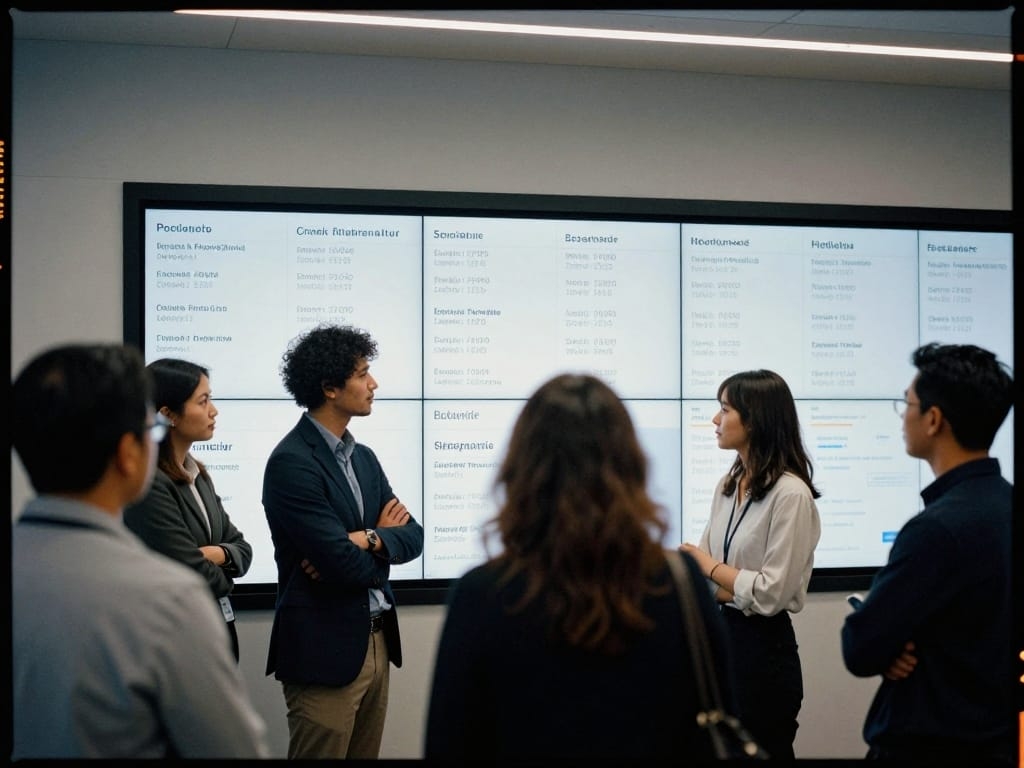
In large organizations with over 200 employees, fostering a culture of appreciation is essential for maintaining a motivated workforce. Recognizing employee tenure-those milestone years of service-plays a pivotal role in this dynamic. At its core, tenure recognition validates the dedication and loyalty of long-term staff, signaling that their ongoing commitment is not only noticed but valued. This acknowledgment directly impacts retention rates. Employees who feel their years of service are celebrated are more likely to stay, reducing turnover costs and preserving institutional knowledge. For instance, in expansive corporate environments where individuals can sometimes feel like mere cogs in a machine, personalized recognition programs humanize the workplace, reinforcing a sense of belonging and purpose.
Beyond retention, tenure recognition significantly boosts morale. When employees receive accolades for their longevity-such as awards, events, or customized perks-it instills pride and motivation, encouraging them to continue contributing at high levels. This morale uplift is particularly crucial in large organizations, where day-to-day operations can overshadow individual achievements. Studies from HR research firms like Gallup indicate that recognized employees are up to 2.5 times more likely to be engaged, leading to higher productivity and innovation.
Key Facts on Tenure Recognition
Integrating tenure recognition into broader employee engagement strategies creates a holistic approach to workforce management. It complements initiatives like performance feedback, professional development, and wellness programs by focusing on the 'loyalty factor.' For HR leaders, implementing structured years of service programs-tailored to company culture-ensures these touchpoints reflect genuine contributions. By tying recognition to meaningful rewards, such as experiential gifts or career advancement opportunities, organizations can align tenure milestones with overall goals, fostering an environment where employees thrive. Ultimately, this strategy not only enhances retention and morale but also builds a resilient, engaged workforce ready to drive long-term success.
In the dynamic landscape of employee engagement, pinpointing pivotal moments in an employee's tenure is essential for fostering a culture of authentic appreciation. These touchpoints serve as opportunities to acknowledge not just longevity, but the tangible impacts individuals make on organizational success. For HR leaders in larger enterprises, integrating recognition into these moments can transform standard years of service programs into meaningful celebrations of real contributions.
Key Employee Touchpoints:
Begin with onboarding: This initial phase sets the tone for an employee's journey. Recognizing early wins, such as mastering a new skill or contributing to a team project, reinforces their value from day one. As employees progress, milestones like completing probation periods or achieving performance goals offer prime chances to highlight specific achievements, linking them to broader company objectives.
Promotions and role transitions represent significant junctures. Here, recognition should emphasize the employee's growth and the expertise they've brought to new responsibilities. For instance, a tailored award ceremony or personalized feedback session can spotlight how their efforts have driven departmental innovations or improved processes.
Project completions and collaborative successes are equally critical. Celebrating these with peer-nominated accolades or public shout-outs ensures that contributions to team victories are visibly appreciated, boosting morale and encouraging continued excellence.
Anniversaries, particularly in years of service programs, provide a natural framework for reflection. Rather than generic gifts, customize recognitions to recount key accomplishments over the years-such as leading a successful initiative or mentoring juniors-making the milestone a testament to sustained impact.
Finally, consider exit touchpoints, like retirements or transitions, where honoring a legacy of contributions can inspire remaining staff. By mapping these moments strategically, HR can implement recognition that resonates deeply, enhancing retention and productivity in organizations with 200+ employees. This approach not only commemorates tenure but elevates the narrative around genuine value added.
Developing impact metrics involves identifying key performance indicators that reflect an employee's contributions beyond just time served.
Examples of Impact Metrics
By quantifying these achievements, HR teams can create a more meaningful recognition framework that motivates employees to strive for excellence. This approach ensures that recognition programs align with company goals, fostering a culture of meritocracy. Implementing such metrics requires collaboration with department heads to define relevant criteria tailored to different roles. Ultimately, this strategy elevates the recognition process from routine acknowledgments to celebrations of genuine accomplishments.
Personalized awards shift the focus from generic tenure-based gifts to customized recognitions that highlight individual impacts. For instance, an employee who spearheaded a successful sustainability project might receive an award related to environmental causes. This method requires gathering detailed feedback on each employee's achievements to ensure the award resonates personally. It enhances employee engagement by making them feel truly valued for their unique contributions. In larger companies, HR can use data analytics to track these accomplishments over time. Such personalization transforms standard service awards into powerful tools for retention and morale boosting.
Peer nominations empower colleagues to recognize each other's meaningful contributions, adding authenticity to the program. This strategy involves setting up a nomination system where employees submit stories of impact, which are then reviewed by HR. It goes beyond tenure by emphasizing collaborative successes and everyday heroism in the workplace. The process builds team spirit and ensures that often-overlooked achievements get the spotlight. For companies with over 200 employees, digital platforms can streamline nominations across departments. Overall, this inclusive approach creates a more dynamic and employee-driven recognition culture.
Achievement integration combines tenure milestones with specific accomplishments to create hybrid recognition events. For example, at a 10-year anniversary, highlight the employee's key projects alongside their loyalty. This balanced approach prevents recognition from feeling superficial while still honoring long-term commitment. HR professionals can design ceremonies that feature storytelling sessions about the employee's journey and impacts. In larger organizations, this requires coordinating with managers to compile achievement portfolios. The result is a program that celebrates both dedication and tangible results, inspiring others to contribute meaningfully.
Continuous feedback mechanisms provide ongoing recognition of impacts, rather than limiting it to annual service anniversaries. This could involve quarterly reviews where managers note significant contributions and offer immediate acknowledgments. It fosters a proactive culture where achievements are celebrated in real-time, boosting motivation consistently. For HR in bigger firms, integrating this with performance management systems ensures scalability. Employees feel more connected to their work when their efforts are regularly affirmed. This strategy ultimately leads to higher productivity and a more engaged workforce by embedding recognition into daily operations.
FAQ
How can we implement personalized awards in a company with more than 200 employees without overwhelming HR resources? Implementing personalized awards in large companies can be streamlined by leveraging data analytics tools to track employee accomplishments automatically. Collaborate with department managers to gather feedback efficiently, and use customizable templates for awards to reduce manual effort while ensuring each recognition feels unique and tied to real contributions.

In today's dynamic workplace, recognizing employees' years of service goes beyond traditional milestones. By leveraging HR technology tools, companies with over 200 employees can create personalized touchpoints that genuinely reflect individual contributions in real-time, fostering a culture of appreciation that boosts engagement and retention.
Modern HR tech platforms, such as employee recognition software integrated with AI and data analytics, enable seamless customization. These tools track performance metrics, project involvement, and peer feedback instantaneously, allowing HR teams to tailor recognition experiences to each employee's unique impact. For instance, instead of a generic anniversary plaque, an employee who has driven innovative process improvements over a decade could receive a customized digital badge, a personalized video message from leadership, or even a tailored professional development opportunity-all triggered automatically based on real-time data.
Real-time recognition is powered by integrations with existing systems like performance management software or collaboration tools. AI algorithms analyze contributions, such as completing a high-stakes project or mentoring junior staff, and suggest appropriate rewards. This not only ensures timeliness but also relevance, making employees feel valued for their specific efforts rather than just tenure. In larger organizations, where scaling personalization can be challenging, these tools provide efficiency through automation, reducing administrative burdens while enhancing authenticity.
The benefits are profound: studies show that personalized, real-time recognition can increase employee satisfaction by up to 30%, leading to lower turnover rates. For years of service programs, this approach transforms routine acknowledgments into meaningful narratives of growth and achievement. HR leaders should evaluate platforms like Workday, BambooHR, or specialized recognition apps that offer API integrations for seamless data flow.
Implementing these tools requires a strategic approach:
Strategic Steps for Implementation
By doing so, companies can elevate their recognition strategies, aligning them with actual contributions and creating lasting employee loyalty.

Evaluating the effectiveness of touchpoints in a years of service recognition program is crucial for HR leaders in large organizations. These touchpoints-such as milestone celebrations, personalized awards, or digital acknowledgments-must not only foster a culture of appreciation but also contribute to tangible business outcomes like improved retention and productivity. To measure their impact, start with employee surveys and feedback mechanisms. Deploy anonymous questionnaires post-recognition events to gauge sentiment, asking about perceived value and emotional resonance. Metrics like Net Promoter Score (NPS) can quantify how likely employees are to recommend the company based on these experiences, revealing the program's role in building loyalty.
Key Metrics for Measuring Impact
Next, track engagement and retention data. Analyze turnover rates before and after implementing touchpoints, segmenting by tenure groups. For instance, if recognition for 5- or 10-year milestones correlates with lower attrition, it signals effectiveness. Integrate this with performance indicators, such as productivity metrics or absenteeism rates, to link appreciation to operational success. Advanced analytics tools can help correlate recognition participation with key performance indicators (KPIs), demonstrating ROI. For example, calculate the cost of recognition events against gains in employee output or reduced recruitment expenses.
Beyond quantitative measures, qualitative assessments are vital. Conduct focus groups or interviews to uncover stories of how touchpoints inspire motivation and collaboration. This narrative data can highlight cultural shifts, like increased peer-to-peer appreciation. Additionally, benchmark against industry standards using tools from organizations like SHRM to ensure your program drives competitive advantages. Regularly review these evaluations-perhaps quarterly-to refine touchpoints, ensuring they evolve with workforce needs. By systematically assessing both cultural and business impacts, HR can optimize recognition programs to sustain a motivated, high-performing team in companies with over 200 employees.
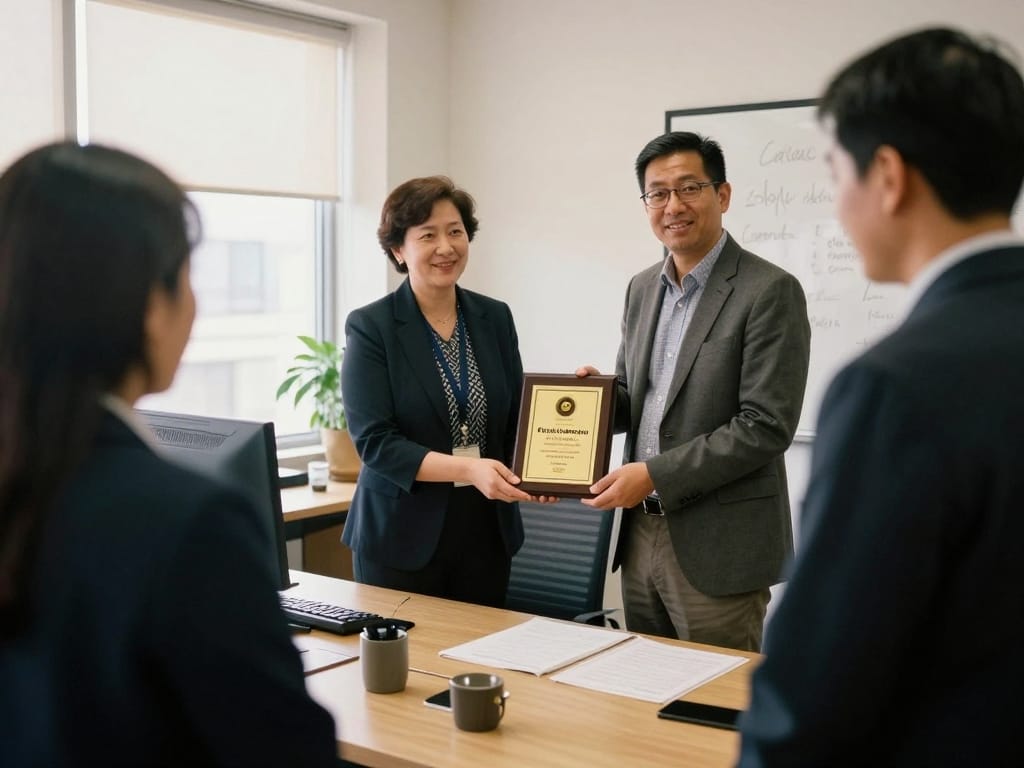
In the realm of employee recognition, several leading organizations have transformed their years of service programs into platforms that genuinely celebrate meaningful contributions, fostering deeper engagement and loyalty. By shifting focus from mere tenure to authentic impact, these companies demonstrate how recognition can align with core values and drive organizational success.
Take Salesforce, for instance. The cloud computing giant has revamped its milestone recognition through the "Trailblazer" program, which honors employees not just for years served but for their innovative contributions to customer success and community building. Employees reaching service anniversaries receive personalized experiences, such as volunteer opportunities or custom awards tied to their specific achievements. This approach has led to a 20% increase in employee satisfaction scores, as reported in their annual surveys, by making recognition feel personal and relevant.
Another exemplary case is Patagonia, the outdoor apparel company renowned for its commitment to environmental sustainability. Their years of service program integrates authentic recognition by awarding "Environmental Grants" to long-term employees, allowing them to direct funds toward causes they champion. For example, a 10-year veteran might receive a grant to support a local conservation project, reflecting their real contributions to the company's mission. This has not only boosted retention rates but also reinforced Patagonia's brand as a values-driven employer, with employee turnover dropping below industry averages.
IBM, with its century-long history, offers a compelling model through its "Service Anniversary Celebrations." Instead of generic gifts, IBM provides tailored experiences like skill-development sabbaticals or mentorship roles that acknowledge an employee's expertise and ongoing value. A notable example involved a 25-year engineer who was recognized by leading a cross-functional innovation project, resulting in patented technology. This strategy has enhanced knowledge sharing and innovation, contributing to IBM's sustained leadership in tech.
Impact Highlights:
These case studies illustrate that successful years of service programs thrive on authenticity, linking recognition to individual impacts. For HR leaders in larger organizations, adopting similar strategies can elevate employee morale, reduce attrition, and align recognition with strategic goals, ultimately creating a culture where contributions are truly valued.
Implementing effective touchpoints in a years-of-service recognition program can encounter several hurdles, particularly in organizations with over 200 employees. Budget constraints often top the list, as HR teams strive to deliver meaningful experiences without straining financial resources. One practical approach is to prioritize low-cost, high-impact initiatives, such as personalized digital certificates or virtual shout-outs via company intranets. These can be scaled affordably using existing tools like email platforms or collaboration software, avoiding the need for expensive physical awards. Partnering with internal departments, like marketing or IT, can further reduce costs by leveraging in-house expertise for custom designs or automated systems.
Common Challenges:
Scalability presents another challenge, especially when dealing with a large and diverse workforce spread across multiple locations or remote setups. To address this, HR professionals can adopt modular recognition frameworks that allow for customization at scale. For instance, implementing an automated milestone tracking system integrated with HR software ensures timely acknowledgments without manual oversight. This not only streamlines processes but also maintains consistency, whether for 200 or 2,000 employees. Testing pilots in smaller departments before full rollout helps identify and refine scalable elements, ensuring the program grows seamlessly with the organization.
Ensuring inclusivity is crucial to avoid alienating any group, particularly in expansive employee bases where diversity in roles, tenures, and backgrounds is common. Strategies include gathering feedback through anonymous surveys to tailor touchpoints that resonate across demographics, such as offering flexible options like experiential rewards (e.g., extra time off) alongside traditional ones. Emphasizing equity means recognizing contributions beyond tenure, perhaps by incorporating peer nominations or performance metrics. Training managers on inclusive practices fosters a culture where every employee feels valued, regardless of their position or location. By proactively tackling these obstacles, companies can create recognition programs that genuinely reflect real contributions, boosting morale and retention in the long term.
A company is a legal entity that represents an organization of legal individuals with a particular, common purpose, such as the earning of revenue or the benefit of culture. Depending on territory, business can take on numerous kinds, such as volunteer organizations, not-for-profit organizations, business entities, financial entities, banks, and educational institutions. Across territories, firms have typically developed to have specific typical legal attributes, consisting of different lawful character, restricted obligation, transferable shares, capitalist possession, and a managerial power structure. Relying on jurisdiction, the term "business" might or may not be identified with firm, partnership, company and society. Business are regulated by firm legislation, which is likewise known as business regulation in some jurisdictions. Included companies are developed by and signed up with the state, whereas unincorporated business are not. When a business shuts, it might need to be sold off to avoid more legal commitments. Firms may link and jointly register themselves as new business called business groups, collections of parent and subsidiary companies.
.Culture (KUL-chəə r) is a principle that encompasses the social actions, institutions, and norms discovered in human societies, in addition to the understanding, ideas, arts, laws, personalizeds, capacities, attitudes, and practices of the people in these groups. Society commonly stems from or is credited to a certain area or area. Human beings obtain society through the finding out procedures of enculturation and socialization, which is revealed by the diversity of cultures across cultures. A cultural norm orders acceptable conduct in culture; it acts as a standard for actions, dress, language, and demeanor in a circumstance, which functions as a theme for assumptions in a social team. Approving just a monoculture in a social group can bear dangers, equally as a solitary varieties can wither when faced with environmental adjustment, for lack of useful feedbacks to the modification. Hence in army society, valiance is counted as a typical actions for a specific, and responsibility, honor, and commitment to the social team are counted as merits or practical responses in the continuum of conflict. In faith, comparable qualities can be determined in a social team. Cultural adjustment, or repositioning, is the reconstruction of a social idea of a culture. Societies are internally affected by both pressures encouraging modification and pressures withstanding modification. Societies are on the surface affected using call between cultures. Organizations like UNESCO effort to protect society and cultural heritage.
.Employee retention is the ability of an organization to retain its employees and ensure sustainability. Employee retention can be represented by a simple statistic (for example, a retention rate of 80% usually indicates that an organization kept 80% of its employees in a given period). Employee retention is also the strategies employers use to try to retain the employees in their workforce.
In a business setting, the goal of employers is usually to decrease employee turnover, thereby decreasing training costs, recruitment costs and loss of talent and of organisational knowledge. Some employers seek "positive turnover" whereby they aim to maintain only those employees whom they consider to be high performers.
Studies have shown that cost related to directly replacing an employee can be as high as 50–60% of the employee's annual salary, but the total cost of turnover can reach as high as 90–200% of the employee's annual salary.[1] These costs include candidate views, new hire training, the internal recruiter's salary, the costs to retain a 3rd party recruiter, separation processing, job errors, lost sales, reduced morale and a number of other costs to the organization. Turnover also affects organizational performance. High-turnover industries such as retailing, food services, call centres, elder-care nurses, and salespeople make up almost a quarter of the United States population. Replacing workers in these industries is less expensive than in other, more stable, employment fields but costs can still reach over $500 per employee.[2] As of November 2022, Gallup found that 49% of U.S. employees were watching for or actively seeking a new job.[3]
An alternative motivation theory to Maslow's hierarchy of needs is the motivator-hygiene (Herzberg's) theory. While Maslow's hierarchy implies the addition or removal of the same need stimuli will enhance or detract from the employee's satisfaction, Herzberg's findings indicate that factors garnering job satisfaction are separate from factors leading to poor job satisfaction and employee turnover. Herzberg's system of needs is segmented into motivators and hygiene factors. Hygiene factors include expected conditions that if missing will create dissatisfaction. Examples of hygiene factors include bathrooms, lighting, and the appropriate tools for a given job. Employers must utilize positive reinforcement methods while maintaining expected hygiene factors to maximize employee satisfaction and retention.[4]
Flexible work arrangements (FWAs) involve adapting an organization's work system to become more flexible, which may include adjusting how tasks are distributed among employees or allowing staff to set their own working hours and location. Although FWAs existed before the COVID-19 pandemic, the use of FWAs surged during the pandemic. According to a 2023 OECD report, almost all public sector organizations in OECD countries implemented flexible working arrangements, at least in the form of part-time work and flextime.[5]
FWAs were found to have a positive impact on employee retention and also organizational productivity in a 2022 study.[6]
FWAs increase flexibility in when, where, and sometimes how employees work. As a result, employees with higher autonomy tend to value their jobs more, experience greater happiness and job satisfaction, and are more likely to stay with their employer.[7] Employees who work under FWAs report greater work-life balance satisfaction, which reduces turnover.[8]
FWAs can sometimes negatively impact employee retention.[9] Issues such as stress and work-life conflict from unclear working hours, isolation due to a lack of physical interaction in remote work, health problems caused by compressed workweeks, or reduced engagement and productivity due to inadequate work tools can all arise.
A large-scale field experiment by Bloom, Han, and Liang (2024) found that employees offered a hybrid schedule—three days in the office and two days at home—were 35 percent less likely to quit over a two-year period than those required to work on-site full-time.[10]
In September 2024 the New Zealand Government issued updated guidance for public service agencies stating that working from home "is not an entitlement" and must be mutually agreed between employer and employee. The guidance requires that remote arrangements "must not compromise employee performance or the objectives of the agency," and directs agencies to monitor and report the number and type of agreements to the Public Service Commission, which will publish the data for transparency.[11]
Equity considerations further complicate retention outcomes. Hybrid policies can inadvertently favor employees with suitable home office environments and high-speed internet, while disadvantaging those in small or shared living spaces. Research also shows gendered effects: hybrid work can help retain women with caregiving responsibilities, yet some women report slower advancement when working remotely more frequently than male colleagues.[12]
To maximize the retention advantages of remote and hybrid models, a report from McKinsey recommend clear performance metrics, regular virtual check-ins, and intentional efforts to maintain organizational culture. [13]
Artificial Intelligence (AI) tools have been used to analyze employee performance metrics to attempt to identify patterns that may indicate potential turnover.[14][15]
HR analytics has been used to identify the root causes of employee attrition.[16][17]
Diversity, equity, and inclusion (DEI) initiatives are designed to promote equity, combat discrimination, and provide support for diverse employee needs. Research conducted by Ashikali and Groeneveld in 2015 established that the positive effect of diversity management on employee commitment is often mediated by the inclusiveness of the organizational culture and the role of transformational leadership.[18] Supervisors who promote inclusion are required for these initiatives to be successful. Trochmann, Stewart, and Ragusa (2023) found that positive perceptions of diversity and inclusion were significantly associated with higher levels of job satisfaction and overall workplace happiness in racially diverse agencies.[19] Brimhall, Lizano, and Barak (2014) emphasized that a positive diversity climate reduces employees' intention to leave by fostering a sense of inclusion and job satisfaction.[20]
Ritz and Alfes (2018) showed that in multilingual public administrations, employees' attachment to their jobs increased when their supervisors actively supported diversity and fostered an inclusive environment.[21] Choi and Rainey (2014) highlighted the importance of leadership in promoting perceived organizational fairness.[22]
cite journal: CS1 maint: multiple names: authors list (link)cite journal: CS1 maint: DOI inactive as of September 2025 (link)