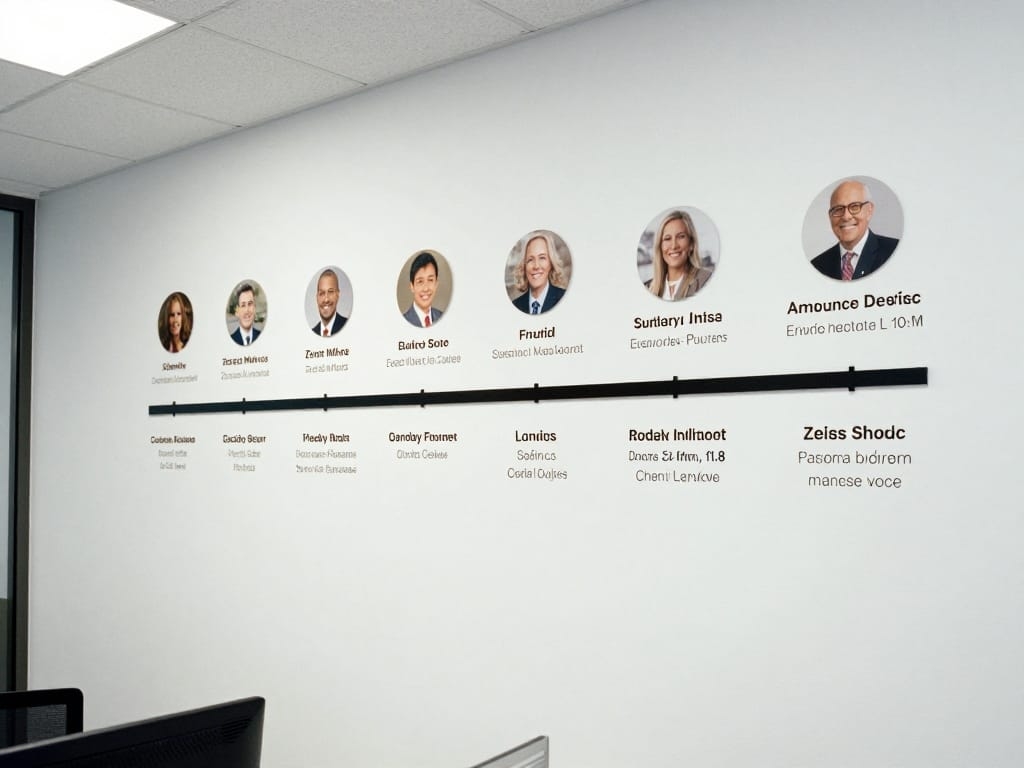
Managers play a pivotal role in shaping employees' decisions to stay with an organization, often serving as the linchpin between company policies and individual experiences. Their daily interactions, leadership style, and ability to foster a supportive environment directly influence job satisfaction and long-term loyalty. For instance, when managers actively recognize employees' contributions, it boosts morale and creates a sense of value, encouraging staff to envision a future within the company. This is particularly crucial in larger organizations with over 200 employees, where personalized recognition can counteract feelings of anonymity.
Effective managers enhance job satisfaction by providing clear communication, constructive feedback, and opportunities for growth. They listen to concerns, address issues promptly, and align team goals with personal aspirations, which reduces turnover intentions. Research shows that employees who feel supported by their managers are up to 2.5 times more likely to remain loyal, as this support translates into higher engagement levels. In contrast, poor management-marked by micromanagement, lack of empathy, or inconsistent expectations-can erode trust and prompt talented individuals to seek opportunities elsewhere.
Key Facts on the Impact of Managers on Employee Retention
To amplify their impact on retention, managers should integrate years of service recognition programs into their leadership approach. Celebrating milestones not only honors tenure but also reinforces a culture of appreciation. HR professionals in sizable companies can empower managers through training on recognition best practices, ensuring these programs are meaningful and tailored. By doing so, managers become advocates for loyalty, directly influencing employees' choice to stay and contributing to a stable, motivated workforce. Ultimately, investing in managerial skills yields dividends in retention rates, fostering an environment where employees thrive and commit long-term.
Managers play a pivotal role in shaping an employee's decision to remain with a company long-term, particularly in larger organizations where retaining talent is crucial for sustained success. By implementing targeted strategies, managers can cultivate an environment that not only boosts satisfaction but also aligns with years of service recognition programs, encouraging loyalty and commitment.
Key Facts on Employee Retention in Large Companies
One key approach is fostering open communication. Managers should prioritize regular one-on-one meetings and team huddles to create channels for employees to voice concerns, share ideas, and receive timely feedback. This transparency helps demystify company decisions and aligns individual goals with organizational objectives. For instance, using anonymous suggestion tools or pulse surveys can uncover hidden issues early, preventing dissatisfaction from escalating. In companies with over 200 employees, where hierarchies can feel impersonal, these practices make workers feel heard and valued, directly contributing to their willingness to stay.
Building trust is equally essential. Managers can achieve this by demonstrating consistency in actions and words, such as following through on promises and acknowledging mistakes openly. Trust flourishes when leaders model vulnerability and fairness, like equitably distributing opportunities and recognizing contributions publicly. Integrating this with recognition programs, such as milestone awards for years of service, reinforces a culture of appreciation. Employees who trust their managers are more likely to invest in long-term growth, reducing turnover rates.
Creating a supportive work environment further solidifies commitment. This involves promoting work-life balance through flexible scheduling, providing access to mental health resources, and offering professional development opportunities like training workshops or mentorship programs. In larger firms, managers can advocate for inclusive policies that celebrate diversity and ensure psychological safety, where employees feel secure taking risks without fear of reprisal. Such an environment not only enhances job satisfaction but also ties into recognition initiatives by highlighting long-serving employees as role models.
Ultimately, these strategies empower managers to transform workplaces into spaces where employees envision their futures. By focusing on communication, trust, and support, organizations can boost retention, making years of service programs more impactful and fostering a loyal, engaged workforce.
In large organizations, managers can integrate years of service recognition programs by aligning them with existing HR systems to ensure seamless implementation. This involves collaborating with HR teams to embed recognition milestones into performance reviews and career development paths, making acknowledgment a natural part of the employee lifecycle. By doing so, managers reinforce the value of long-term commitment, which can significantly enhance employee morale and loyalty. Furthermore, integrating these programs with company-wide communication channels, such as newsletters or intranet portals, ensures that recognitions are visible and celebrated organizationally. This strategic alignment not only acknowledges individual contributions but also fosters a culture of appreciation that encourages retention.
Managers should define clear recognition milestones, such as 5, 10, or 20 years of service, to create structured opportunities for acknowledgment in large firms. These milestones can be marked with personalized awards, certificates, or events that highlight the employee's specific contributions over the years. By tailoring recognitions to individual achievements, managers make employees feel valued and integral to the organization's success, which directly impacts their decision to stay. Involving team members in these celebrations amplifies the positive effects, turning individual milestones into team-building experiences. Ultimately, well-defined milestones help in building a supportive environment that boosts overall retention rates.
Managers play a pivotal role by personally participating in recognition events, such as presenting awards or sharing anecdotes about the employee's journey, to make the acknowledgment more meaningful. This hands-on approach demonstrates genuine appreciation and strengthens the manager-employee relationship in expansive organizations. Training managers on how to deliver effective recognitions ensures consistency and authenticity across departments. Additionally, encouraging managers to incorporate feedback from peers enhances the personalization of recognitions, making them more impactful. Such involvement not only honors long service but also motivates others to aspire to similar longevity, aiding retention efforts.
Integrating service recognition programs boosts employee engagement by publicly affirming the importance of sustained contributions, which resonates deeply in large organizational settings. Managers can facilitate this by organizing interactive events where employees share their experiences, fostering a sense of community and belonging. This engagement strategy helps in reducing turnover by making long-term employees feel seen and appreciated amidst a vast workforce. Moreover, linking recognitions to professional development opportunities, like advanced training, keeps employees motivated and invested in their careers. Overall, heightened engagement through these programs leads to a more committed and productive workforce.
To enhance retention, managers can use years of service programs as a foundation for broader strategies.
Key Retention StrategiesThese strategies collectively create a compelling case for employees to remain, reducing attrition in competitive environments.

Managers play a pivotal role in fostering employee retention by prioritizing professional development and clear advancement opportunities. In organizations with over 200 employees, where talent pools are vast and competition for skilled workers is fierce, effective managerial strategies can significantly influence an employee's decision to commit long-term. By investing in tailored development programs, managers signal a commitment to their team's growth, which in turn builds loyalty and reduces turnover.
One key approach involves implementing structured training initiatives. Managers can assess individual skills and align them with company needs through workshops, online courses, or certifications. For instance, offering access to leadership training not only equips employees with new competencies but also prepares them for higher responsibilities, making them feel valued and integral to the organization's future. This proactive stance helps employees envision a progressive career trajectory, encouraging them to stay rather than seek opportunities elsewhere.
Equally important are well-defined advancement paths. Managers should collaborate with HR to create transparent career ladders, complete with milestones and performance metrics. Regular one-on-one discussions allow managers to set personalized goals, provide feedback, and track progress. When employees see a direct link between their efforts and potential promotions or role expansions, motivation surges. In larger companies, integrating these paths with years of service recognition programs amplifies their impact. For example, acknowledging long-tenured employees with advanced training or priority for internal promotions reinforces the value of loyalty, turning potential departures into steadfast commitments.
Mentorship programs further enhance these efforts. Pairing seasoned managers with emerging talent facilitates knowledge transfer and builds a supportive culture. Employees who receive guidance on navigating career challenges are more likely to feel supported and invested in the company's success. Research shows that organizations with robust development frameworks experience up to 20% lower attrition rates, as employees perceive genuine opportunities for growth.
Key Facts on Career Development and Retention
Ultimately, managers who champion these approaches not only motivate retention but also cultivate a high-performing workforce. By linking professional development to recognition of service milestones, companies can foster an environment where employees thrive and choose to stay for the long haul.
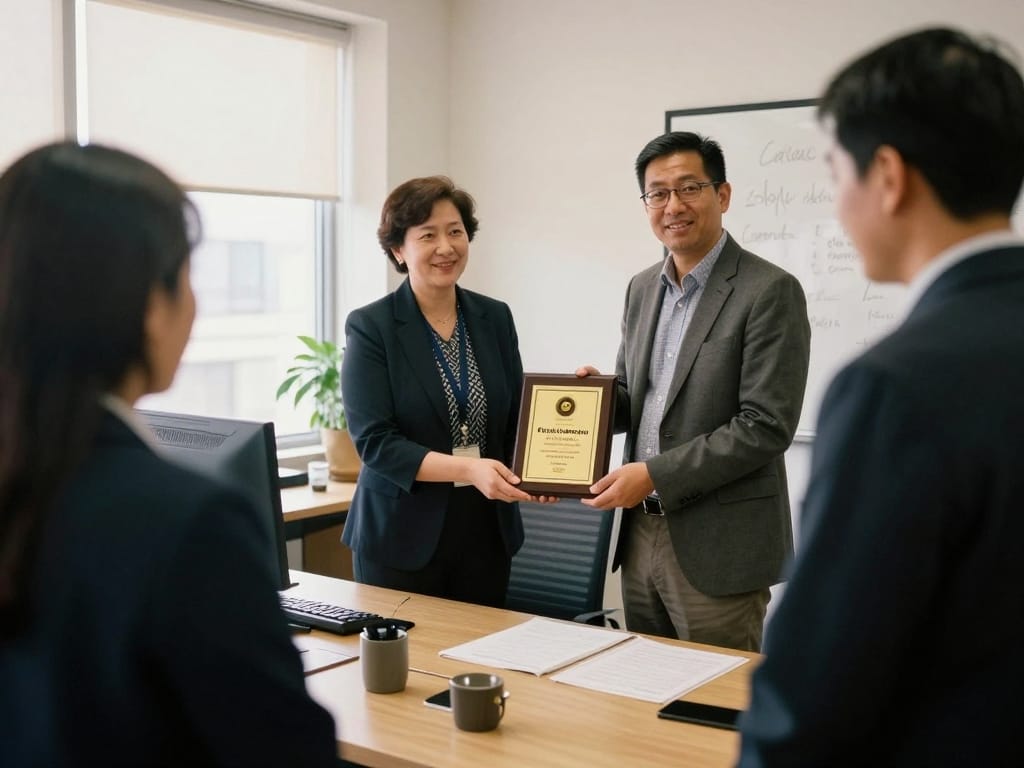
Managers play a pivotal role in shaping company culture, directly impacting employee engagement and turnover rates. By fostering an environment where employees feel valued and connected, managers can significantly influence the decision to stay long-term. This is particularly relevant for HR professionals in larger organizations seeking effective years of service recognition programs, as a strong culture amplifies the impact of such initiatives.
One key way managers shape culture is through consistent communication. Open dialogues about company goals, individual contributions, and feedback create transparency, making employees feel heard and integral to the organization's success. For instance, regular team meetings and one-on-one check-ins allow managers to address concerns promptly, building trust and reducing feelings of isolation that often lead to turnover.
Another approach involves promoting inclusivity and recognition. Managers who actively celebrate diverse backgrounds and achievements cultivate a sense of belonging. Implementing informal shout-outs during meetings or integrating recognition into daily workflows can boost morale. In companies with over 200 employees, tying this to formal years of service programs-such as milestone awards or personalized acknowledgments-reinforces loyalty.
Managers also influence culture by modeling work-life balance and professional development. Encouraging time off, flexible schedules, and growth opportunities signals that the company invests in its people. This not only enhances engagement but also lowers turnover by addressing burnout. For example, mentorship programs led by managers can guide career progression, making employees more committed to staying.
Key Retention Facts
Ultimately, when managers prioritize these cultural elements, they create a supportive ecosystem that aligns with employees' values. This leads to higher engagement levels. For HR leaders, empowering managers with tools like recognition platforms can scale these efforts, ensuring sustained retention in large-scale operations.
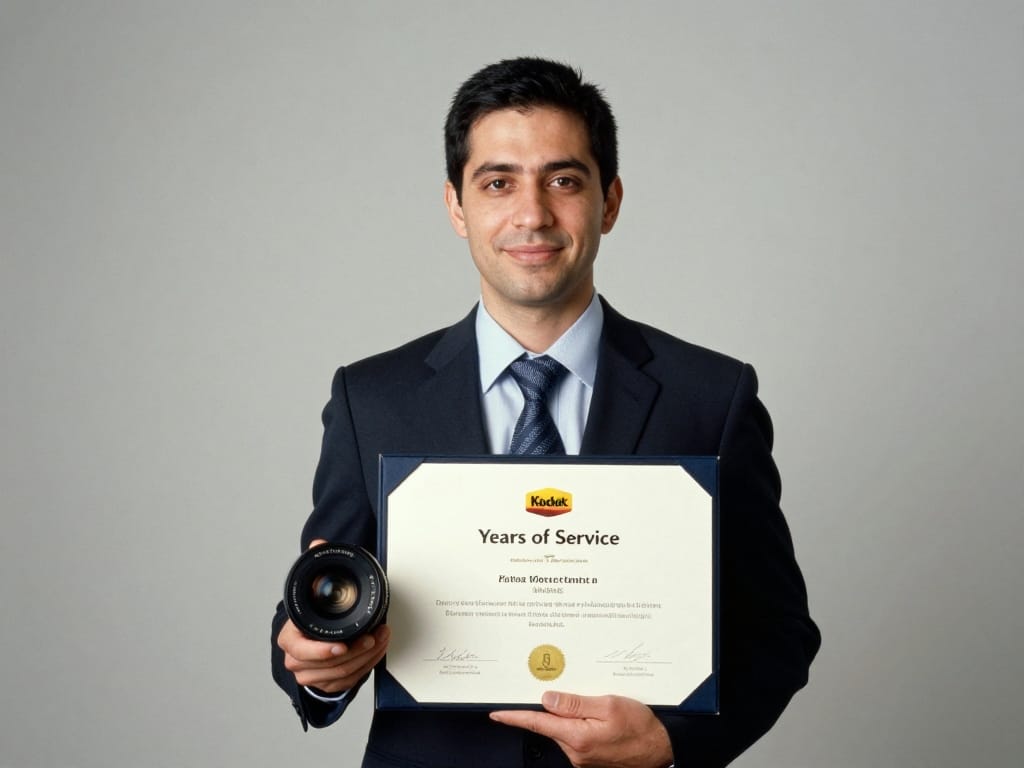
In the dynamic landscape of employee retention, managers play a pivotal role by fostering an environment where employees feel heard and valued. Actively listening to employee input isn't just a courtesy—it's a strategic imperative that directly impacts retention rates, especially in larger organizations with over 200 employees where personalized recognition can sometimes feel diluted.
Consider the power of genuine engagement: when managers solicit feedback through regular one-on-ones, surveys, or open forums, they signal that employee voices matter. But listening alone isn't enough; action must follow. For instance, if team members express concerns about workload imbalances, a proactive manager might redistribute tasks or introduce flexible scheduling. This responsiveness not only resolves immediate issues but also builds trust, demonstrating that the organization values its people beyond mere tenure.
Research from Gallup underscores this: employees who believe their opinions count are 4.6 times more likely to feel empowered to perform their best work, leading to higher loyalty and longer service. In companies implementing years of service recognition programs, integrating feedback mechanisms can amplify these initiatives. Managers who act on input related to career development or work-life balance can transform standard longevity awards into meaningful milestones that reinforce commitment.
Moreover, addressing feedback promptly can preempt turnover. A study by Deloitte reveals that 42% of employees leave due to feeling undervalued. By contrast, managers who implement changes based on employee suggestions—such as enhancing training opportunities or improving team collaboration tools—create a culture of continuous improvement. This not only boosts morale but also encourages long-term retention, turning potential exits into stories of sustained dedication.
Key Statistics on Employee Feedback
Ultimately, managers who prioritize listening and action cultivate a resilient workforce. For HR leaders in sizable firms, empowering managers with tools like feedback training or analytics platforms can integrate this practice into recognition programs, ensuring that years of service translate to years of mutual growth and satisfaction.
In large organizations with over 200 employees, HR professionals play a pivotal role in evaluating how managerial practices shape employee retention. By systematically assessing these influences, HR can identify patterns that either bolster or undermine long-term commitment, particularly in the context of years of service recognition programs. These programs, designed to honor tenure, often succeed or falter based on day-to-day managerial interactions. To measure this impact effectively, consider implementing a multi-faceted approach that combines quantitative metrics with qualitative insights.
Key Facts on Managerial Influence
Start with employee surveys tailored to gauge perceptions of managerial support. For instance, deploy anonymous quarterly surveys asking about leadership communication, recognition of achievements, and opportunities for growth. In companies of this size, segment responses by department to pinpoint variations in managerial styles. Correlate survey scores with retention rates-such as voluntary turnover within the first five years-using statistical tools like regression analysis. This can reveal how positive managerial feedback correlates with higher participation in years of service milestones, where employees feel valued enough to stay long-term.
Complement surveys with exit interviews and stay interviews. During exit interviews, probe departing employees on managerial factors like workload management or conflict resolution that influenced their decision to leave. Stay interviews, conducted with high-tenure staff, can highlight what managers do right to encourage longevity. Analyze this data against retention metrics, such as average tenure per manager's team, to quantify impact. For example, teams with managers who actively promote work-life balance might show 20-30% lower attrition rates.
Additionally, leverage HR analytics platforms to track key performance indicators (KPIs) like promotion rates, absenteeism, and engagement scores linked to managerial oversight. In larger firms, integrate this with performance management systems to assess how training managers in empathy and inclusivity affects overall retention. By fostering a culture where managers are accountable for retention outcomes, HR can enhance years of service programs, ultimately reducing turnover costs and building a more stable workforce. Regular audits, perhaps biannually, ensure ongoing refinement of these assessments, aligning managerial practices with organizational retention goals.
FAQ
How do managerial practices affect the effectiveness of years of service recognition programs?
Managerial practices significantly impact these programs by influencing daily employee experiences. Supportive managers who offer consistent feedback, growth opportunities, and work-life balance make employees feel valued, increasing their likelihood of staying to achieve tenure milestones. To enhance effectiveness, HR should measure managerial influence using surveys, exit/stay interviews, and KPIs, then train managers accordingly to align with retention goals in large organizations.
Culture (KUL-chəə r) is a concept that incorporates the social actions, establishments, and norms discovered in human cultures, along with the understanding, ideas, arts, laws, customs, abilities, perspectives, and practices of the individuals in these groups. Society frequently originates from or is attributed to a details area or location. Humans get society with the learning processes of enculturation and socializing, which is revealed by the diversity of cultures throughout cultures. A cultural norm codifies acceptable conduct in society; it acts as a guideline for behavior, dress, language, and temperament in a scenario, which works as a design template for assumptions in a social team. Approving just a monoculture in a social group can bear dangers, equally as a single types can perish despite ecological modification, for absence of functional reactions to the modification. Therefore in military culture, valiance is counted as a regular behavior for an individual, and obligation, honor, and loyalty to the social group are counted as merits or functional actions in the continuum of conflict. In religious beliefs, analogous qualities can be identified in a social team. Social adjustment, or repositioning, is the repair of a social principle of a society. Societies are internally impacted by both pressures motivating change and forces standing up to modification. Cultures are externally impacted through contact in between societies. Organizations like UNESCO attempt to preserve culture and cultural heritage.
.Turn over or hand over might refer to:
.