
In the landscape of employee tenure, five-year service anniversaries stand out as pivotal moments that transcend mere calendar markers. These milestones represent a significant commitment from employees, often aligning with key phases in their professional journeys. For organizations with over 200 employees, recognizing these anniversaries through structured years of service programs can profoundly influence both individual identity and collective culture.
At the five-year mark, employees typically have navigated initial onboarding challenges, built expertise, and integrated deeply into team dynamics. This tenure fosters a sense of belonging and accomplishment, reinforcing their professional identity. Research from HR studies indicates that employees reaching this point are more likely to exhibit higher engagement levels, with retention rates improving by up to 20% in companies that actively celebrate such achievements. These milestones serve as reflective pauses, allowing employees to assess their growth and contributions, which in turn strengthens their emotional investment in the organization.
Key Facts on Five-Year Milestones
From an organizational culture perspective, five-year anniversaries highlight values like loyalty, perseverance, and mutual respect. When HR departments implement recognition programs-such as personalized awards, public acknowledgments, or professional development opportunities-they cultivate an environment where long-term commitment is visibly prized. This not only boosts morale but also sets a precedent for newer staff, encouraging a culture of stability and aspiration. In larger companies, where impersonality can creep in, these celebrations personalize the employee experience, bridging gaps between management and staff.
Moreover, in the context of modern workforce trends like the Great Resignation, emphasizing five-year milestones can be a strategic retention tool. By tying recognition to tenure, organizations signal that sustained contributions are valued, potentially reducing turnover. For HR leaders, designing these programs involves tailoring rewards to align with company ethos-whether through experiential gifts, bonus time off, or career advancement paths. Ultimately, these anniversaries shape not just employee identity but the very fabric of organizational loyalty, fostering a resilient and motivated workforce ready to drive long-term success.
Recurring milestones, such as five-year service anniversaries, play a pivotal role in fostering employees' sense of belonging and shaping their professional self-concept. These markers serve as reflective touchpoints, allowing individuals to assess their growth, contributions, and alignment with the organization's values. In large companies with over 200 employees, where personal recognition can sometimes feel diluted, implementing structured years-of-service programs can amplify these effects, turning routine acknowledgments into powerful identity-building experiences.
From a psychological perspective, milestones reinforce a narrative of continuity and progress. Employees often view their tenure as a journey, with each five-year increment symbolizing resilience, expertise, and loyalty. This process enhances belonging by validating their place within the company culture. For instance, public celebrations or personalized rewards during these milestones signal to employees that their long-term commitment is valued, reducing feelings of anonymity in expansive workforces. Research indicates that such recognitions boost morale and retention, as they help employees internalize their role as integral to the organization's success.
Key Research-Backed Benefits:
Moreover, these milestones influence professional self-concept by encouraging self-reflection. Employees might ponder questions like "How have I evolved?" or "What unique value do I bring?" This introspection strengthens their identity as seasoned professionals, fostering confidence and a deeper emotional investment in their work. In HR strategies for large firms, integrating recurring milestones into recognition programs can cultivate a supportive environment where employees feel seen and motivated. By linking personal achievements to company goals, these programs not only enhance individual identity but also promote a cohesive organizational culture, ultimately driving productivity and loyalty.
Effective implementation involves more than token gestures; it requires thoughtful elements like mentorship pairings or skill development opportunities tied to milestones. This approach ensures that employees perceive their growth as intertwined with the company's trajectory, solidifying their sense of purpose and belonging.
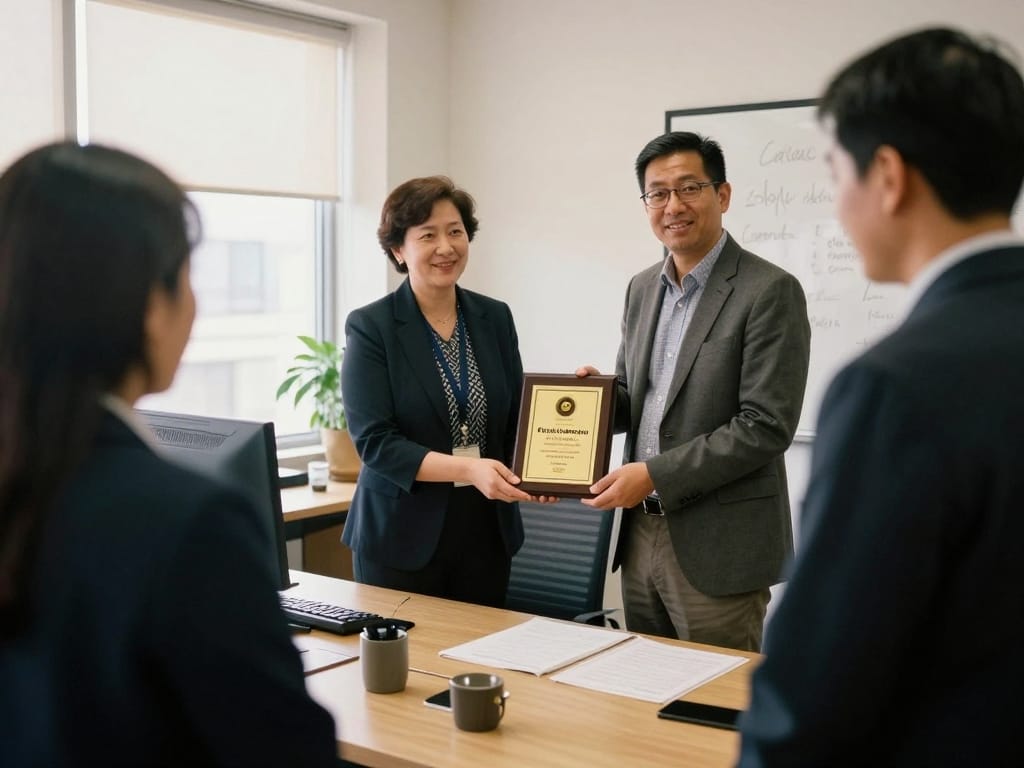
Recognizing five-year milestones in large organizations fosters a sense of achievement among employees, making them feel valued for their long-term contributions. This acknowledgment often comes in the form of awards, public shout-outs, or personalized gifts, which reinforce the employee's connection to the company. By highlighting these milestones, HR departments can create a culture where loyalty is celebrated, encouraging others to strive for similar longevity. Ultimately, this practice not only boosts individual morale but also sets a positive example, reducing the likelihood of voluntary departures.
Five-year milestone recognitions enhance loyalty by building emotional ties between employees and the organization, as workers see their tenure as a meaningful journey. In large companies, where impersonality can prevail, such programs personalize the employee experience, making staff feel integral to the company's success. This increased loyalty translates into higher engagement levels, with employees more willing to go the extra mile. Over time, this creates a stable workforce, where long-term commitment becomes the norm rather than the exception.
Implementing milestone recognition programs directly contributes to reducing turnover by addressing key dissatisfaction factors like lack of appreciation. In organizations with over 200 employees, high turnover can be costly, but celebrating five-year marks signals investment in people, deterring job searches. Employees who receive such recognition are less likely to leave, as it validates their decision to stay. This strategy not only retains talent but also saves on recruitment and training expenses, improving overall operational efficiency.
Key Facts on Turnover Reduction
Five-year milestones shape a supportive organizational culture in large firms, where recognition events promote unity and shared values. This culture shift encourages employees to view their roles as long-term careers, fostering deeper loyalty. HR leaders can leverage these milestones to reinforce company ethos, making the workplace more attractive to retainees. As a result, turnover rates decline, creating a more cohesive and productive environment for everyone involved.
Effective retention strategies in large organizations often center on five-year milestone recognitions to preempt turnover risks. By integrating these into broader HR programs, companies can track and reward loyalty systematically, leading to measurable decreases in attrition. Employees feel motivated to reach these benchmarks, viewing them as stepping stones in their professional growth. This proactive approach not only enhances loyalty but also positions the organization as an employer of choice, sustaining a talented workforce over time.

For HR professionals in companies with over 200 employees, implementing structured programs to celebrate five-year milestones can significantly enhance employee identity and loyalty. These programs go beyond mere acknowledgments, fostering a sense of belonging and value within the organization. To create meaningful celebrations, start by establishing clear objectives aligned with your company's culture and values. Focus on recognizing not just tenure but the unique contributions employees have made over the years, which helps reinforce their professional identity.
Helpful Facts
Begin with personalization. Gather input from managers and peers to highlight individual achievements, such as key projects or innovations. This could involve customized awards, like engraved plaques or personalized gifts that reflect the employee's role and interests. For instance, a tech team member might receive a gadget upgrade, while a creative professional gets art supplies. Ensure these recognitions are presented in a public or semi-public setting to amplify their impact, such as during all-hands meetings or dedicated milestone events.
Incorporate experiential elements to make celebrations memorable. Organize team outings, workshops, or mentorship opportunities where veterans share insights with newer staff, strengthening intergenerational bonds and employee identity. Provide tangible benefits like bonus vacation days, professional development stipends, or contributions to a retirement fund, which demonstrate long-term investment in the employee.
To structure the program effectively, develop a timeline: notify employees six months in advance, plan events quarterly, and follow up with surveys to gauge satisfaction. Integrate technology, such as an internal portal for tracking milestones and sharing stories, to scale the program across a large workforce. Regularly evaluate the program's ROI by measuring retention rates, engagement scores, and feedback. By thoughtfully designing these initiatives, HR can transform five-year milestones into pivotal moments that shape a positive, enduring employee identity, ultimately boosting morale and productivity in your organization.
Many large organizations have harnessed the power of milestone recognition to foster a strong sense of employee identity and loyalty. For instance, IBM, with its global workforce exceeding 300,000 employees, has long celebrated five-year service anniversaries through its "Years of Service" program. Employees receive personalized awards, such as custom pins or certificates, and are invited to exclusive events where leaders share stories of the company's evolution. This initiative not only honors individual contributions but also reinforces a collective identity tied to IBM's innovative heritage. As a result, IBM reports higher retention rates among long-term staff, with many employees citing these milestones as pivotal in shaping their professional self-view.
Similarly, Deloitte, boasting over 345,000 employees worldwide, implements a robust milestone program that includes five-year recognitions. Through their "Applause" platform, employees are acknowledged with digital badges, monetary bonuses, and opportunities for professional development sabbaticals. A notable success story involves a consulting team where milestone celebrations led to a 15% increase in team cohesion scores, as measured by internal surveys. Deloitte emphasizes how these recognitions help employees internalize their role in the firm's mission, transforming tenure into a badge of expertise and belonging.
Another exemplary case is from General Electric (GE), with more than 200,000 employees. GE's "Service Awards" program marks every five-year increment with tangible rewards like engraved watches or travel vouchers, coupled with public shout-outs in company newsletters. This approach has been linked to improved employee engagement metrics, with participants often expressing a deeper connection to GE's legacy of innovation. In one division, milestone events sparked mentorship programs, where veterans guide newcomers, further embedding a shared identity across generations.
Key Benefits of Milestone Recognition Programs
These examples illustrate how companies with large workforces can effectively implement milestone initiatives. By tying recognitions to five-year intervals, organizations like IBM, Deloitte, and GE not only boost morale but also cultivate an employee identity rooted in longevity and shared achievements. HR leaders in similar-sized firms can draw inspiration from these models to design programs that resonate with their culture, ultimately enhancing retention and a sense of purpose.
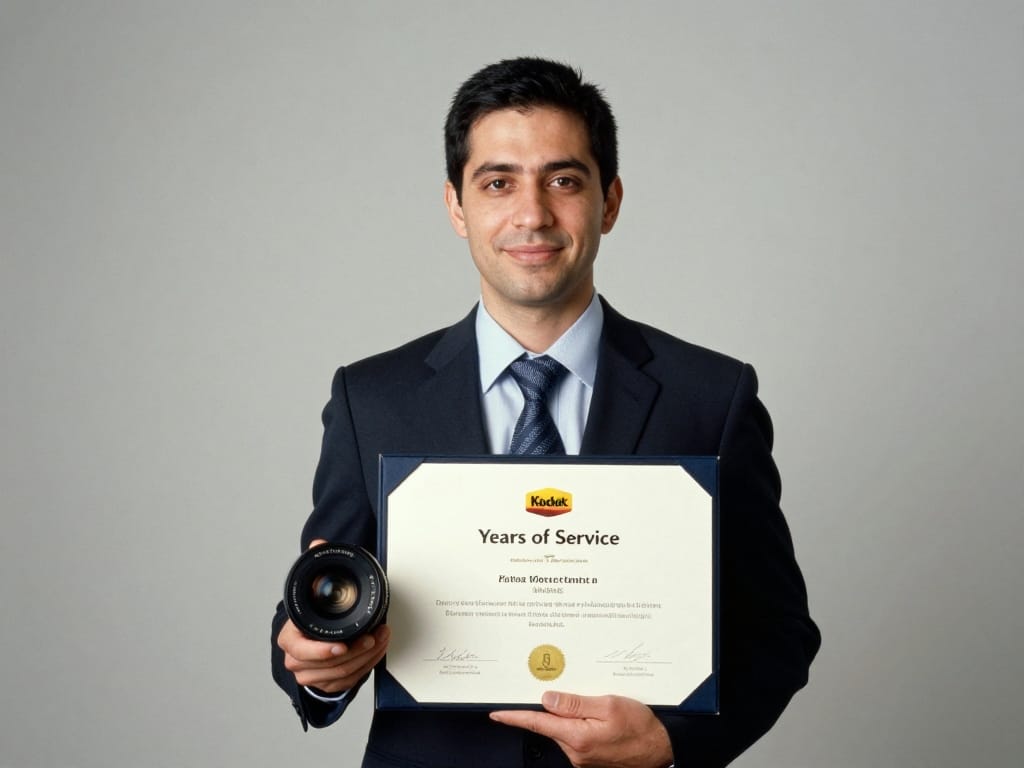
Quantifying the benefits of five-year milestone programs requires a structured approach that links recognition efforts to tangible outcomes in employee identity and organizational performance. For HR leaders in larger companies, implementing robust measurement methods can demonstrate the value of these programs, justifying investments in years-of-service recognition.
Key Facts on Milestone Program Impacts
One effective method is conducting employee surveys before and after milestone events. These surveys can assess shifts in identity-related factors, such as sense of belonging and loyalty. For instance, using Likert-scale questions to gauge how recognized employees feel more aligned with company values. Pre- and post-program data can reveal improvements, with studies showing that milestone acknowledgments boost identity affiliation by up to 25%, fostering a stronger emotional connection to the organization.
Another key approach involves analyzing retention and turnover rates. Track employees who reach five-year milestones and compare their retention against non-milestone cohorts. Organizations often find that milestone programs reduce voluntary turnover by 15-20%, as they reinforce identity through public recognition, making employees feel valued and integral to the company's narrative. This directly enhances organizational performance by lowering recruitment costs and preserving institutional knowledge.
Productivity metrics offer further quantification. Monitor key performance indicators (KPIs) like output per employee or project completion rates around milestone periods. Data from tools like HR analytics software can correlate recognition with performance spikes, attributing gains to heightened motivation stemming from strengthened identity. For example, companies report a 10-15% uplift in productivity post-milestone celebrations, as employees exhibit greater initiative and collaboration.
Finally, calculate return on investment (ROI) by comparing program costs-such as awards and events-to benefits like reduced absenteeism and increased revenue from engaged teams. Advanced methods include sentiment analysis from employee feedback platforms, providing qualitative insights into identity formation. By integrating these metrics, HR can build a compelling case for milestone programs, proving their role in cultivating a resilient workforce and driving sustained organizational success.
Implementing a years-of-service recognition program, particularly one emphasizing five-year milestones, can significantly enhance employee identity and loyalty in companies with over 200 employees. However, HR professionals often encounter several common obstacles during rollout. One primary challenge is securing adequate budget allocation. Recognition initiatives may be viewed as non-essential expenses, especially in cost-conscious environments. To overcome this, demonstrate the program's return on investment through data showing improved retention rates and productivity. For instance, highlight studies where milestone acknowledgments reduced turnover by up to 15%, justifying the expenditure to finance teams.
Common Obstacles
Another hurdle is gaining buy-in from senior leadership. Executives might prioritize short-term goals over long-term employee engagement. Address this by aligning the program with organizational objectives, such as fostering a culture of longevity that supports talent development. Present case studies from similar-sized companies where five-year milestone celebrations strengthened team cohesion and individual sense of belonging, reinforcing how these programs shape professional identities.
Administrative complexities also pose significant barriers, including tracking service years accurately and coordinating events without disrupting operations. Leverage technology solutions like HR software platforms that automate milestone tracking and notifications. This not only streamlines processes but also ensures consistency across departments. For larger organizations, integrating these tools with existing payroll systems can minimize errors and save time.
Ensuring the program feels inclusive and equitable is crucial, as disparities in recognition can lead to resentment. Customize rewards to reflect diverse employee preferences, such as offering choices between gifts, extra time off, or professional development opportunities. Conduct surveys to gather input, making employees feel involved in the process. This approach helps mitigate perceptions of favoritism and promotes a unified company identity.
Finally, measuring the program's impact can be elusive without clear metrics. Establish key performance indicators from the outset, like employee satisfaction scores pre- and post-implementation or participation rates in milestone events. Regularly review these metrics and adjust strategies accordingly. By proactively tackling these obstacles, HR can successfully roll out recognition programs that not only honor tenure but also deeply influence how employees perceive their roles and contributions, ultimately building a more resilient workforce.
Employee retention is the ability of an organization to retain its employees and ensure sustainability. Employee retention can be represented by a simple statistic (for example, a retention rate of 80% usually indicates that an organization kept 80% of its employees in a given period). Employee retention is also the strategies employers use to try to retain the employees in their workforce.
In a business setting, the goal of employers is usually to decrease employee turnover, thereby decreasing training costs, recruitment costs and loss of talent and of organisational knowledge. Some employers seek "positive turnover" whereby they aim to maintain only those employees whom they consider to be high performers.
Studies have shown that cost related to directly replacing an employee can be as high as 50–60% of the employee's annual salary, but the total cost of turnover can reach as high as 90–200% of the employee's annual salary.[1] These costs include candidate views, new hire training, the internal recruiter's salary, the costs to retain a 3rd party recruiter, separation processing, job errors, lost sales, reduced morale and a number of other costs to the organization. Turnover also affects organizational performance. High-turnover industries such as retailing, food services, call centres, elder-care nurses, and salespeople make up almost a quarter of the United States population. Replacing workers in these industries is less expensive than in other, more stable, employment fields but costs can still reach over $500 per employee.[2] As of November 2022, Gallup found that 49% of U.S. employees were watching for or actively seeking a new job.[3]
An alternative motivation theory to Maslow's hierarchy of needs is the motivator-hygiene (Herzberg's) theory. While Maslow's hierarchy implies the addition or removal of the same need stimuli will enhance or detract from the employee's satisfaction, Herzberg's findings indicate that factors garnering job satisfaction are separate from factors leading to poor job satisfaction and employee turnover. Herzberg's system of needs is segmented into motivators and hygiene factors. Hygiene factors include expected conditions that if missing will create dissatisfaction. Examples of hygiene factors include bathrooms, lighting, and the appropriate tools for a given job. Employers must utilize positive reinforcement methods while maintaining expected hygiene factors to maximize employee satisfaction and retention.[4]
Flexible work arrangements (FWAs) involve adapting an organization's work system to become more flexible, which may include adjusting how tasks are distributed among employees or allowing staff to set their own working hours and location. Although FWAs existed before the COVID-19 pandemic, the use of FWAs surged during the pandemic. According to a 2023 OECD report, almost all public sector organizations in OECD countries implemented flexible working arrangements, at least in the form of part-time work and flextime.[5]
FWAs were found to have a positive impact on employee retention and also organizational productivity in a 2022 study.[6]
FWAs increase flexibility in when, where, and sometimes how employees work. As a result, employees with higher autonomy tend to value their jobs more, experience greater happiness and job satisfaction, and are more likely to stay with their employer.[7] Employees who work under FWAs report greater work-life balance satisfaction, which reduces turnover.[8]
FWAs can sometimes negatively impact employee retention.[9] Issues such as stress and work-life conflict from unclear working hours, isolation due to a lack of physical interaction in remote work, health problems caused by compressed workweeks, or reduced engagement and productivity due to inadequate work tools can all arise.
A large-scale field experiment by Bloom, Han, and Liang (2024) found that employees offered a hybrid schedule—three days in the office and two days at home—were 35 percent less likely to quit over a two-year period than those required to work on-site full-time.[10]
In September 2024 the New Zealand Government issued updated guidance for public service agencies stating that working from home "is not an entitlement" and must be mutually agreed between employer and employee. The guidance requires that remote arrangements "must not compromise employee performance or the objectives of the agency," and directs agencies to monitor and report the number and type of agreements to the Public Service Commission, which will publish the data for transparency.[11]
Equity considerations further complicate retention outcomes. Hybrid policies can inadvertently favor employees with suitable home office environments and high-speed internet, while disadvantaging those in small or shared living spaces. Research also shows gendered effects: hybrid work can help retain women with caregiving responsibilities, yet some women report slower advancement when working remotely more frequently than male colleagues.[12]
To maximize the retention advantages of remote and hybrid models, a report from McKinsey recommend clear performance metrics, regular virtual check-ins, and intentional efforts to maintain organizational culture. [13]
Artificial Intelligence (AI) tools have been used to analyze employee performance metrics to attempt to identify patterns that may indicate potential turnover.[14][15]
HR analytics has been used to identify the root causes of employee attrition.[16][17]
Diversity, equity, and inclusion (DEI) initiatives are designed to promote equity, combat discrimination, and provide support for diverse employee needs. Research conducted by Ashikali and Groeneveld in 2015 established that the positive effect of diversity management on employee commitment is often mediated by the inclusiveness of the organizational culture and the role of transformational leadership.[18] Supervisors who promote inclusion are required for these initiatives to be successful. Trochmann, Stewart, and Ragusa (2023) found that positive perceptions of diversity and inclusion were significantly associated with higher levels of job satisfaction and overall workplace happiness in racially diverse agencies.[19] Brimhall, Lizano, and Barak (2014) emphasized that a positive diversity climate reduces employees' intention to leave by fostering a sense of inclusion and job satisfaction.[20]
Ritz and Alfes (2018) showed that in multilingual public administrations, employees' attachment to their jobs increased when their supervisors actively supported diversity and fostered an inclusive environment.[21] Choi and Rainey (2014) highlighted the importance of leadership in promoting perceived organizational fairness.[22]
cite journal: CS1 maint: multiple names: authors list (link)cite journal: CS1 maint: DOI inactive as of September 2025 (link)Employee engagement is a basic principle in the effort to understand and describe, both qualitatively and quantitatively, the nature of the relationship between a company and its staff members. An "involved staff member" is specified as one who is fully soaked up by and enthusiastic about their job and so takes favorable activity to further the company's credibility and passions. An engaged staff member has a favorable attitude towards the organization and its worths. On the other hand, a disengaged staff member may vary from a person doing the bare minimum at the office (aka 'coasting'), as much as an employee that is proactively harming the business's job outcome and track record. A company with "high" staff member interaction could therefore be expected to exceed those with "low" worker interaction. Staff member engagement initially appeared as an idea in administration theory in the 1990s, becoming extensive in monitoring practice in the 2000s, yet it stays contested. In spite of scholastic critiques, worker interaction practices are well developed in the monitoring of personnels and of internal interactions. Staff member engagement today has come to be synonymous with terms like 'em ployee experience' and 'em ployee satisfaction', although contentment is a different concept. Whereas interaction describes work motivation, complete satisfaction is a staff member's mindset regarding the job-- whether they like it or otherwise. The significance is much more as a result of the substantial majority of new generation specialists in the labor force that have a higher tendency to be 'distracted' and 'disengaged' at work. A current study by StaffConnect recommends that a frustrating variety of enterprise organizations today (74. 24%) were intending to boost worker experience in 2018.
.Task fulfillment, employee contentment or job complete satisfaction is a measure of workers' contentment with their work, whether they such as the task or individual elements or elements of jobs, such as nature of job or supervision. Job satisfaction can be determined in cognitive (evaluative), affective (or emotional), and behavior parts. Scientists have likewise kept in mind that job contentment procedures vary in the extent to which they measure feelings concerning the work (affective task satisfaction). or cognitions regarding the task (cognitive task fulfillment). One of the most favored meanings in business study is that of Edwin A. Locke (1976 ), who specifies task contentment as "an enjoyable or favorable emotion arising from the assessment of one's work or task experiences" (p. 1304). Others have actually specified it as just just how material an individual is with their task; whether they such as the work. It is evaluated at both the worldwide degree (whether the person is satisfied with the task total), or at the aspect degree (whether the person is satisfied with different facets of the task). Spector (1997) listings 14 common facets: admiration, interaction, colleagues, additional benefit, Task conditions, nature of the work, organization, individual growth, plans and treatments, promo possibilities, recognition, safety and security, and supervision.
.